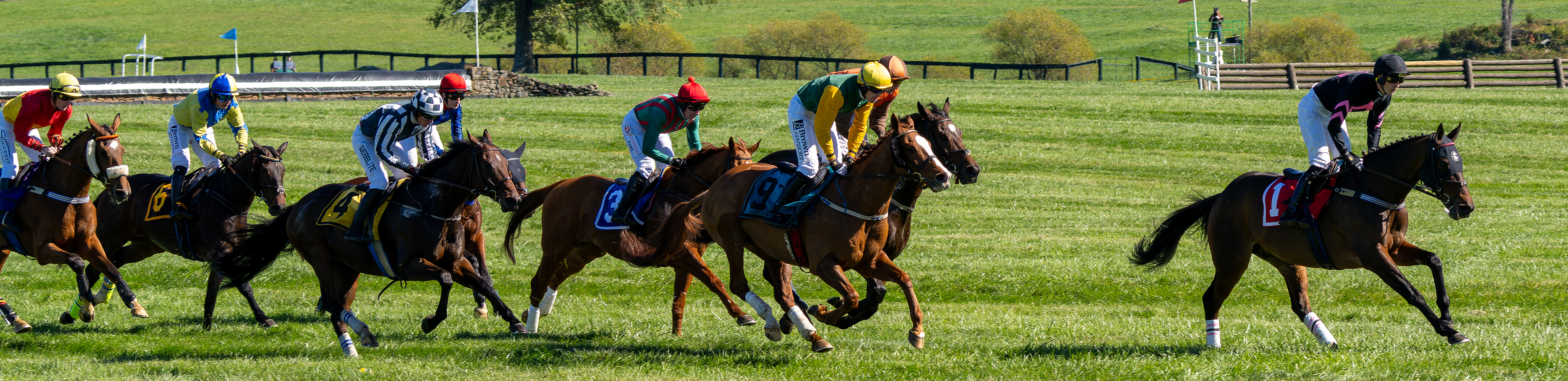
Seven races, a closely contested timber championship, and the familiar rivalry of hats and tailgates shaped the 89th International Gold Cup on October 24, 2026, in The Plains, Virginia.
There are sporting events built around a scoreboard, and others whose appeal extends well beyond the final result. The International Gold Cup belongs to the latter: a meeting where the racing matters, but so do the setting, the company, and the traditions that bring people back.
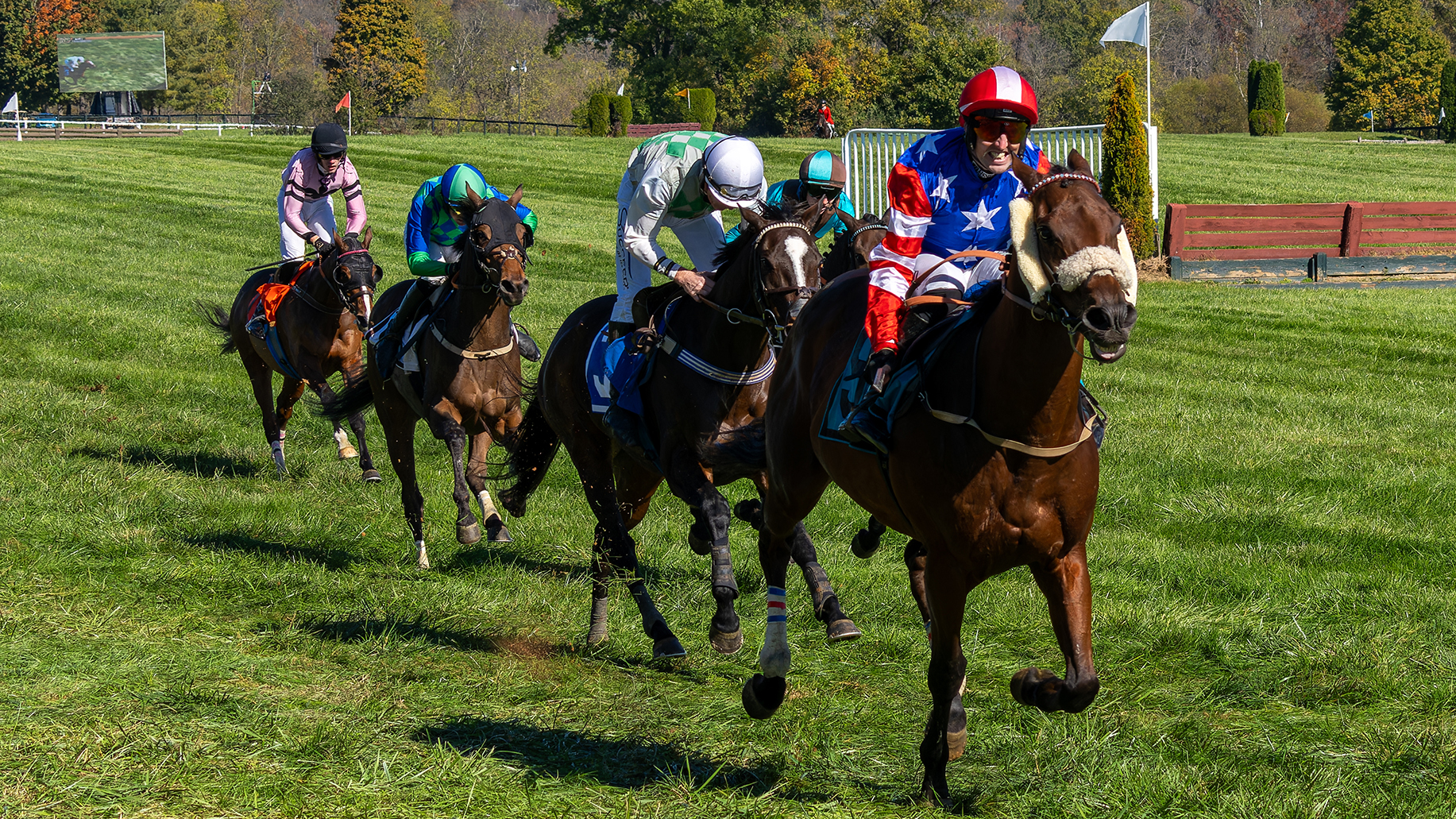
For Washington-area readers, that combination is the attraction. A day in Virginia horse country offers a different way to experience live sport: outdoors, across a landscape that is part of the competition itself, with time between races to eat, explore, and talk. Understanding every entry in the program is helpful. Arriving curious is enough to begin.
A Trophy with an International Past
Despite its close association with Virginia, the International Gold Cup began elsewhere. According to the organizer’s history, its inaugural running took place in 1930 at Grasslands Downs in Tennessee, on a brush course modeled after England’s Aintree. Spain’s King Alfonso XIII donated the gold trophy, establishing an international connection that remains part of the event’s identity.
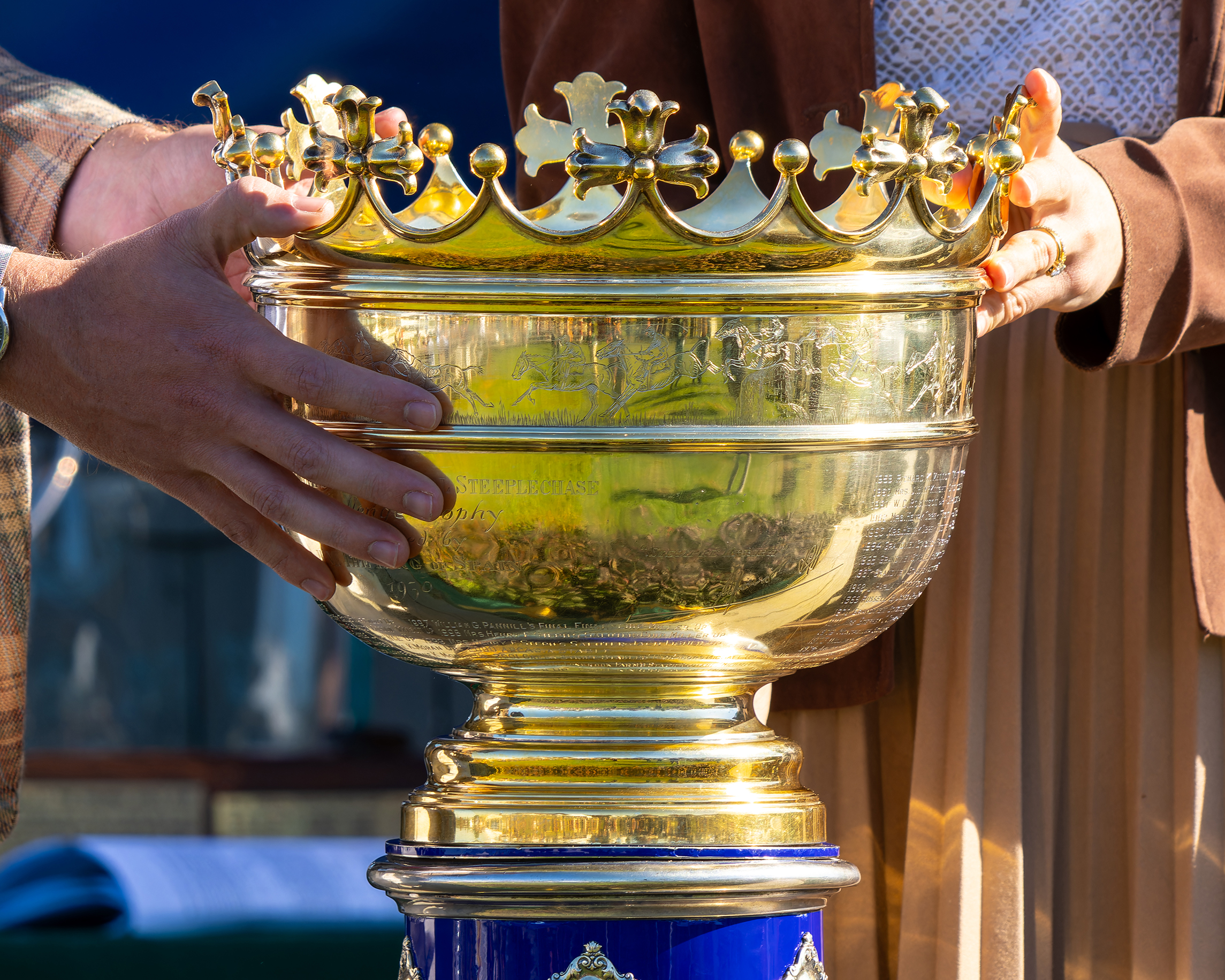
After the Tennessee meeting closed in 1932, the race moved to Pennsylvania’s Rolling Rock Hunt course. It remained there for more than half a century before coming to Great Meadow, where its first running took place on October 20, 1984.
In Virginia, the competition evolved into a timber stakes, receiving official National Steeplechase Association stakes designation in 1989. The distinction from the spring Virginia Gold Cup matters: the spring race began in 1922, while the autumn International Gold Cup has its own origins and trophy history.
Those separate histories now share a setting—and a public that encounters equestrian tradition through both sporting competition and an annual social occasion.
Great Meadow is Part of the Story
Great Meadow’s significance reaches beyond its usefulness as a racecourse. The Great Meadow Foundation describes the property as 374 acres of permanently preserved open space, maintained for public use, community gatherings, and equestrian sport. Its conservation mission helps explain why the venue matters to the region.
A race meeting depends on land in a particularly visible way. Spectators follow horses across it; obstacles give it shape; distance turns it into a test. Preserving the setting protects something that cannot simply be recreated inside a conventional stadium.
For visitors, that offers another reason to look beyond the hospitality tents. The landscape is central to the experience. The view across the course is also a reminder that horse country’s identity depends on keeping meaningful stretches of it open.
Race Day: A Full Afternoon on the Card
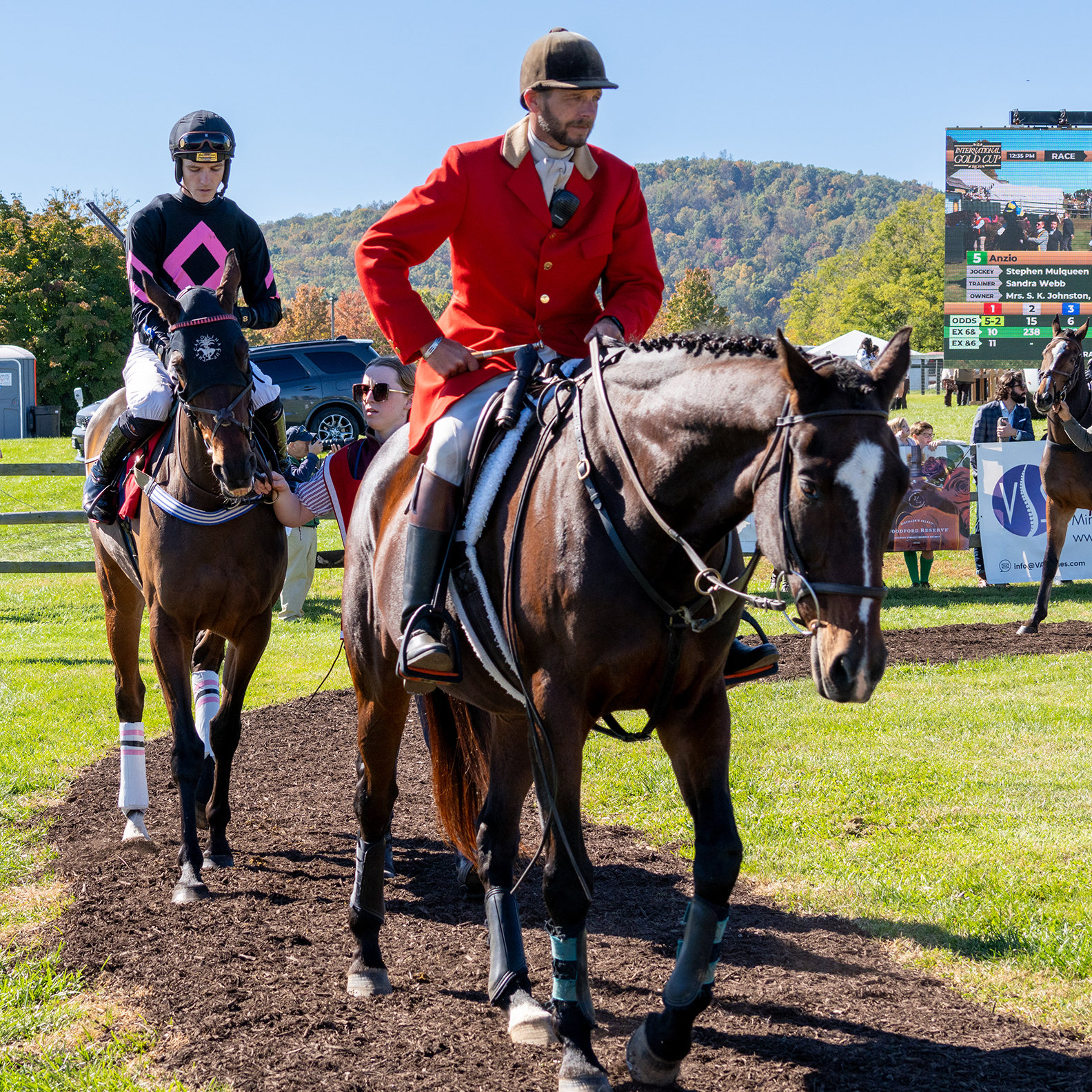
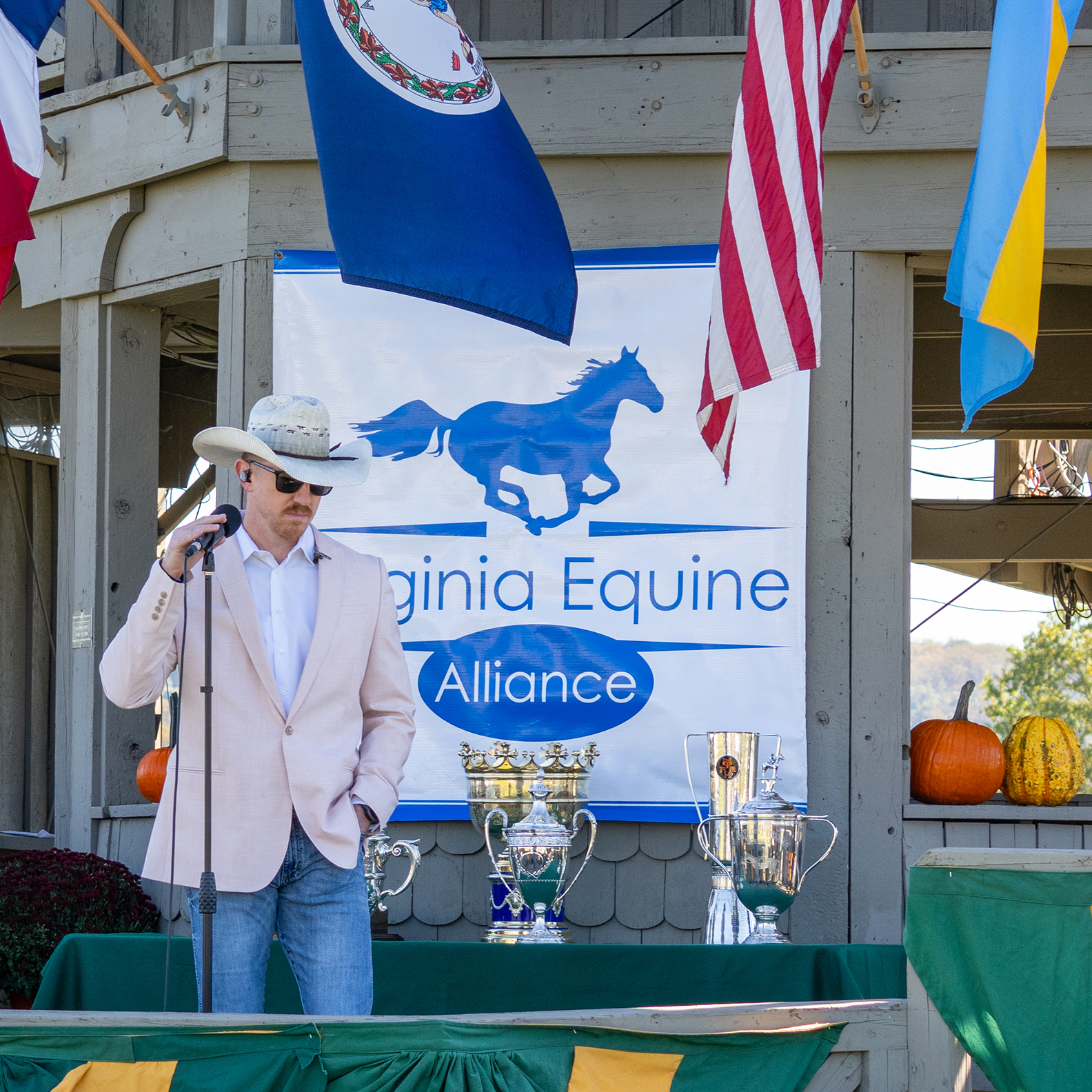
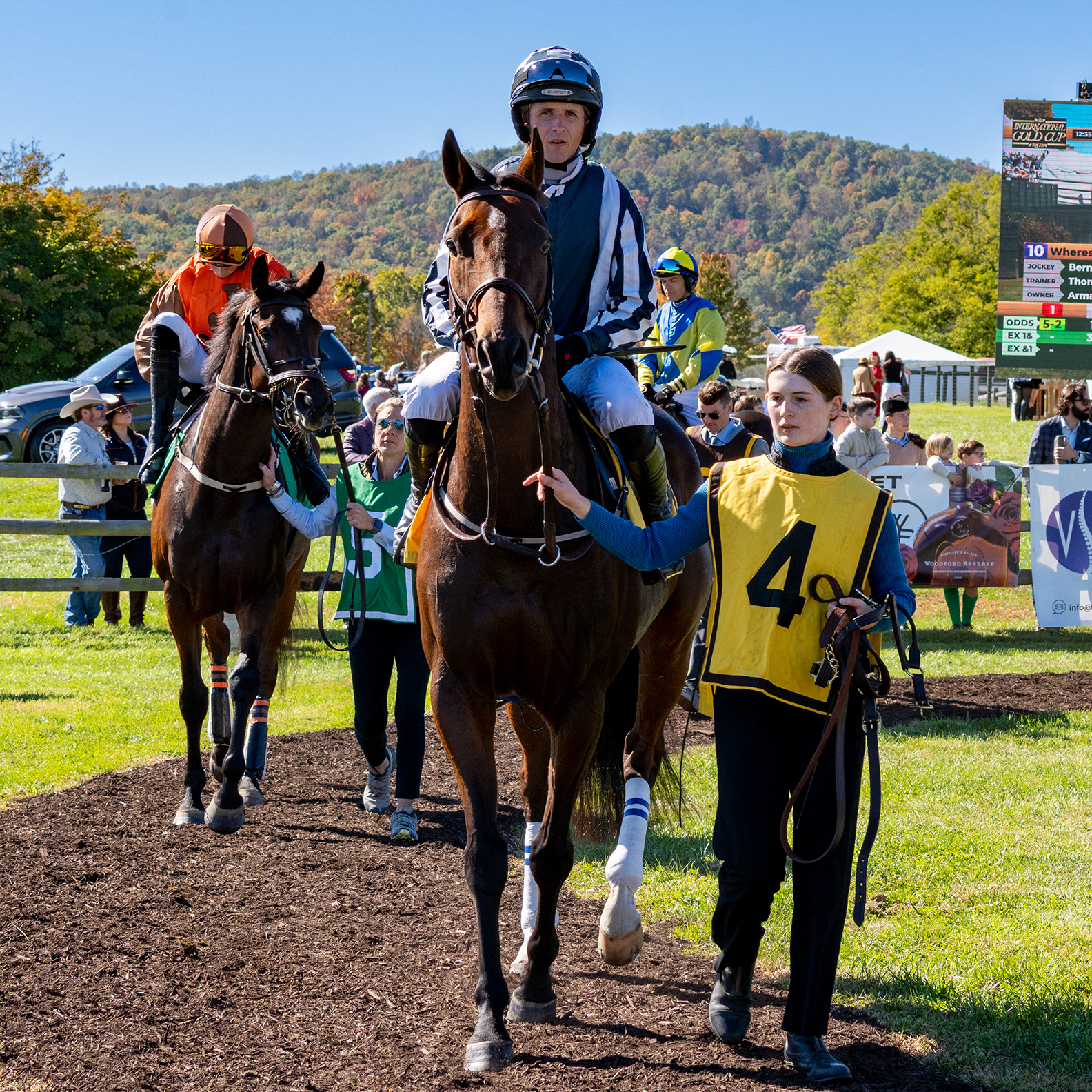
The October 24 schedule opened the gates at 10 a.m., allowing time for arrivals and tailgate preparations before the first race at noon. Ryan Jewel performed the national anthem during the opening ceremony, which was scheduled for 11:30 a.m.
The card moved from the Virginia Equine Alliance Maiden Hurdle to the Great Meadow Steeplethon and the Broadview Allowance Hurdle. The afternoon’s two principal stakes followed: the William H. Allison at 2 p.m. and the International Gold Cup at 2:40 p.m. The Zeke Ferguson handicap and Springs Road maiden claiming hurdle completed the program.
The variety gave newcomers a useful introduction to jump racing. Rather than one contest repeated throughout the afternoon, the card brought different conditions, obstacles, and competitive opportunities into the same meeting. Equibase’s published purses totaled $335,000 across the seven races.
Between races, the program left room for a second kind of competition: the judging of race-day style and hospitality.
Noah And The Ark Take the 89th International Gold Cup
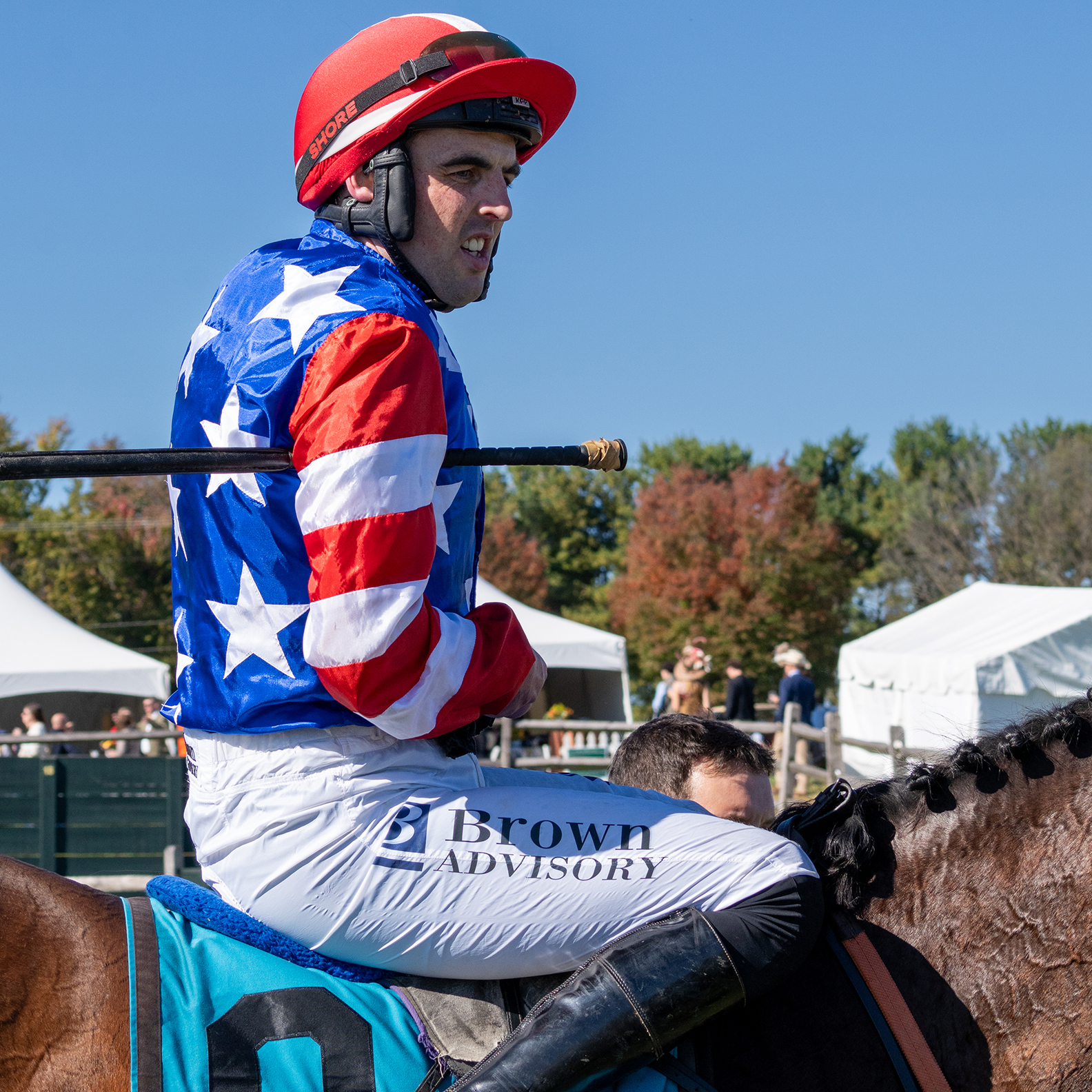
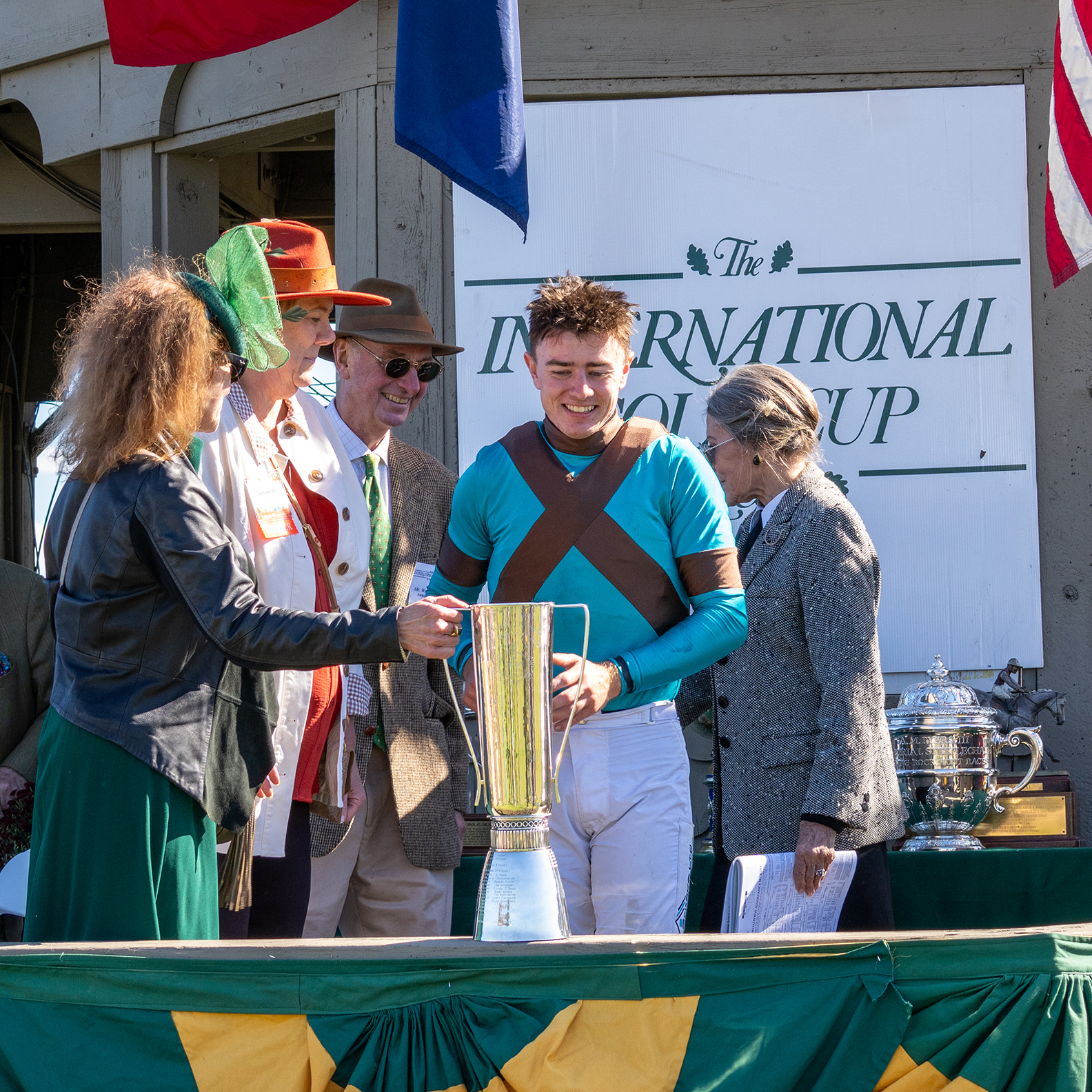
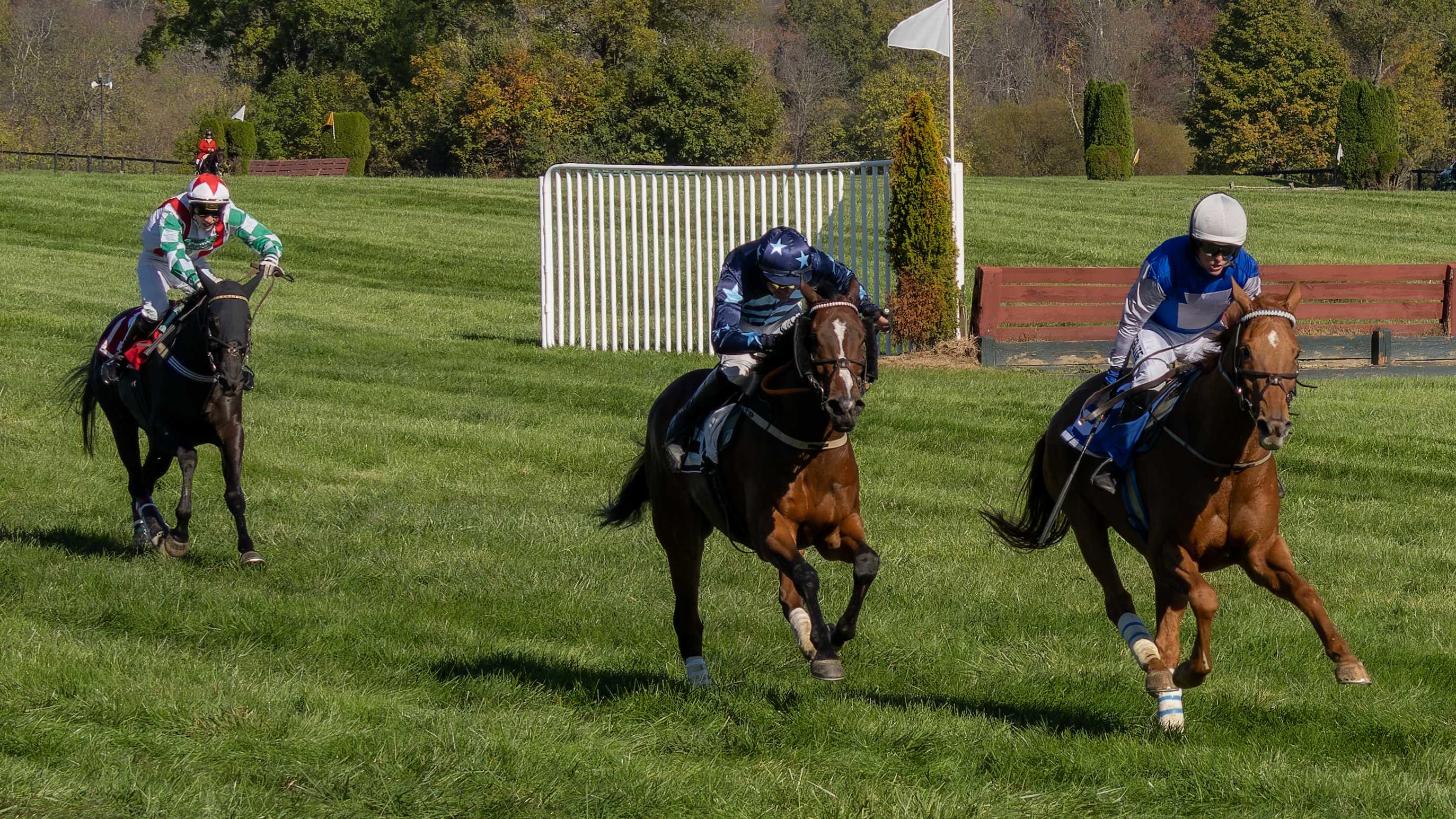
Noah And The Ark, owned by Keystone Thoroughbreds and trained by Todd McKenna, won the $50,000 International Gold Cup with Harrison Beswick riding. The official report records a three-quarter-length margin over Moonshine Time, with Uco Valley third. The winning time for the 3½-mile timber race was 7:10⅖ on turf rated good.
Timber racing’s new darling, Noah and the Ark, continued his perfect fall campaign with this wire-to-wire victory in the 89th International Gold Cup timber stake Saturday at Great Meadow.
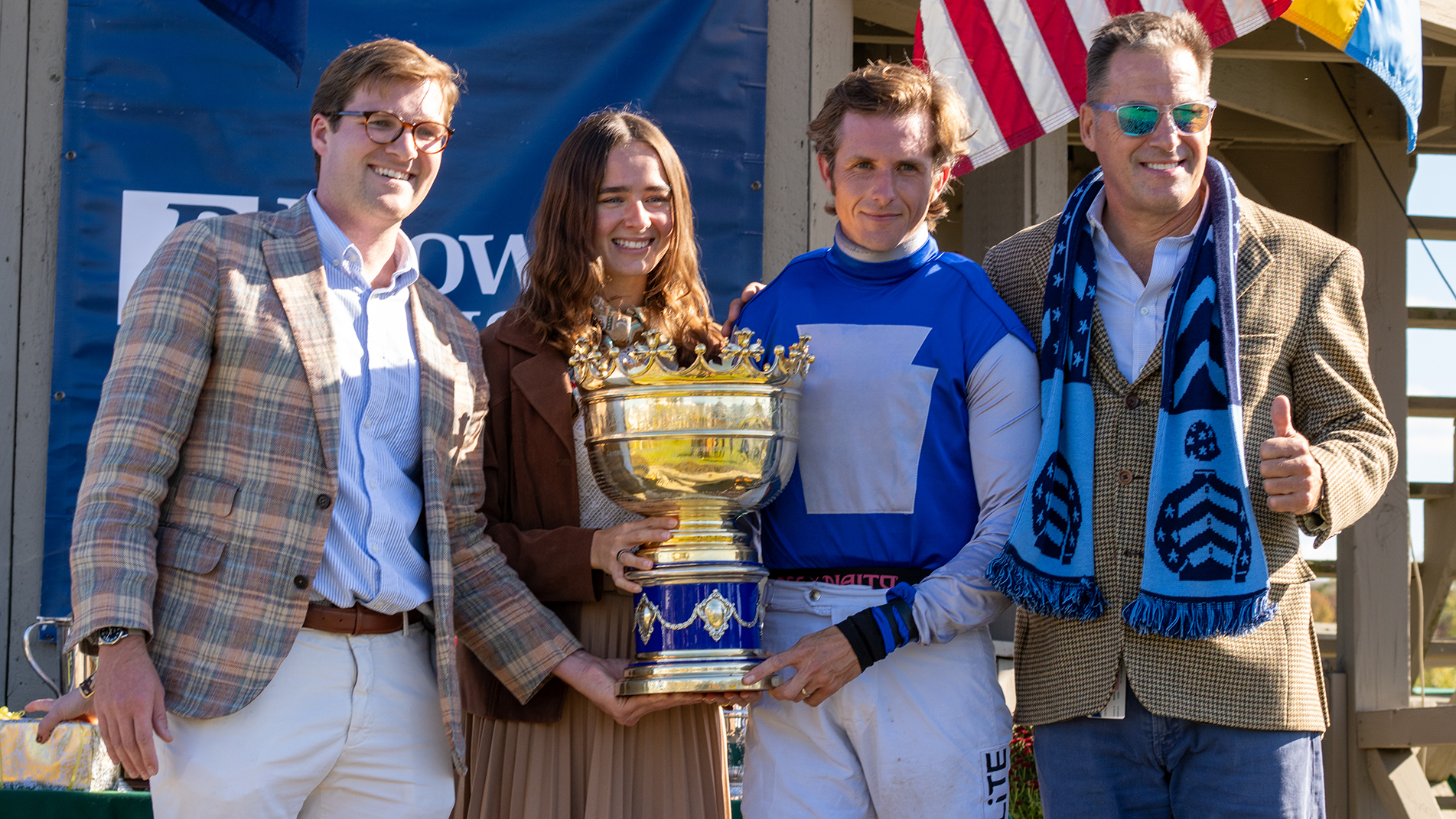
The narrow margin gives the result its emphasis. After a demanding distance over timber, less than a length separated the first two finishers. It is a useful illustration of steeplechasing’s appeal: endurance and jumping still have to produce a winning finish.
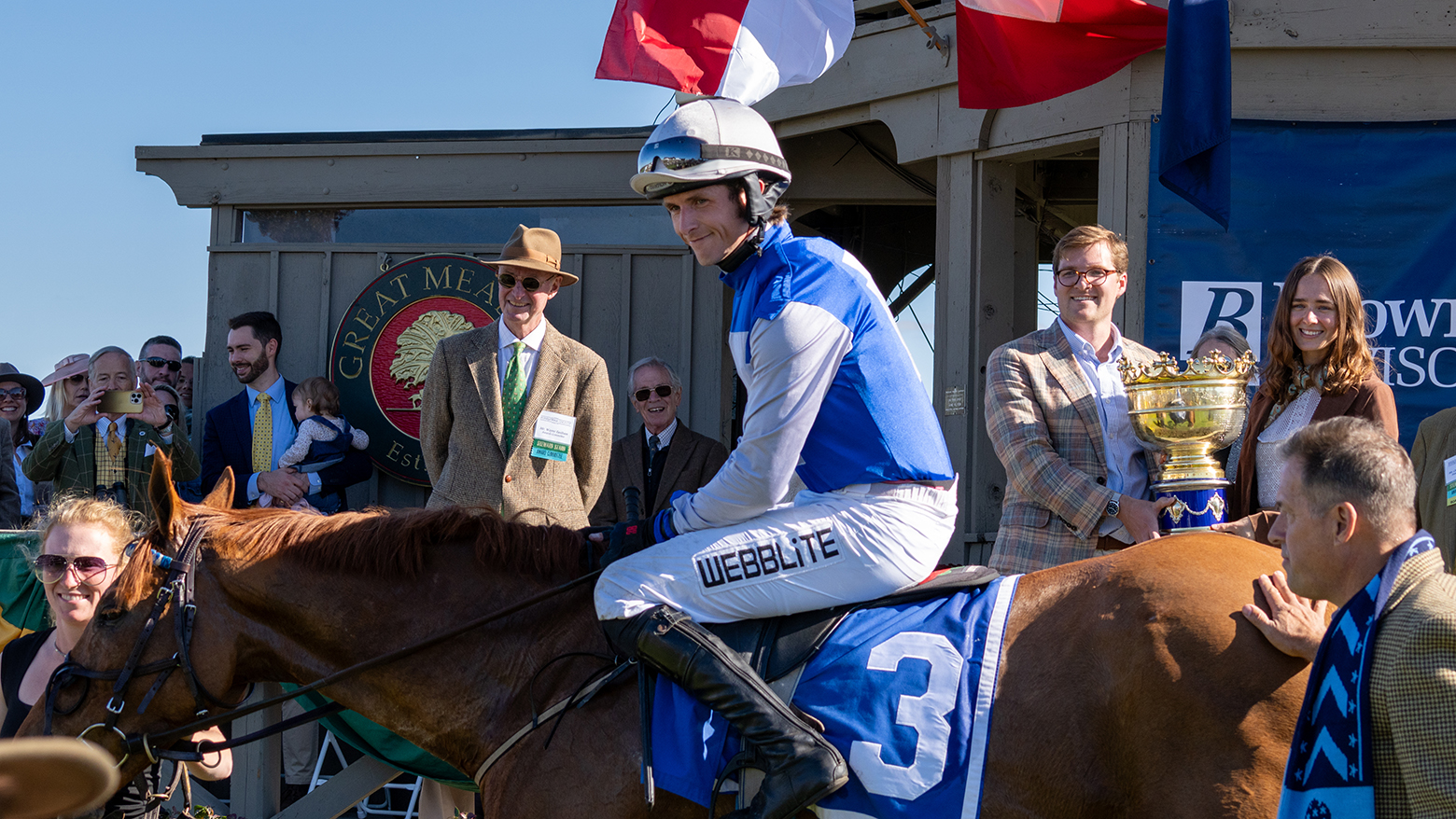
“This horse has a huge amount of experience,” Beswick said. “He knows how to turn off and save his energy.”Harrison Beswick, winning jockey of Noah And The Ark
Lydford Claims the Richest Prize
In the $100,000 Grade 2 William H. Allison Stakes, Lydford won for Maranto Manor, trainer Thomas Garner, and rider Evan Dwan. Lydford claimed the richest prize at the International Gold Cup, showcasing exceptional talent in the steeplechase races. This victory adds to the event's reputation for thrilling competition and high stakes. King Of The Kids finished second, Little Trilby third; the winning margin was 2¼ lengths.
Garner finished with three winners, while Ricky Hendriks trained two. Dwan and Conor Tierney each rode a double.
Remembering Irv Naylor: A Lasting Presence in American Steeplechasing
The 2026 International Gold Cup arrived just days after the loss of Irvin S. “Irv” Naylor, who died October 20 at age 91. In its tribute, the National Steeplechase Association recognized him as its leading owner of all time—a distinction that reflects decades of commitment to American jump racing.
Naylor knew the sport from the saddle as well as the owner’s enclosure. A former amateur timber rider, he sustained a spinal cord injury in a 1999 racing accident that left him paralyzed. He remained deeply involved, building a stable that earned seven NSA leading-owner titles. His horses included Eclipse Award champions Black Jack Blues, Dawalan, and Rawnaq, and he won the Maryland Hunt Cup three times as an owner.
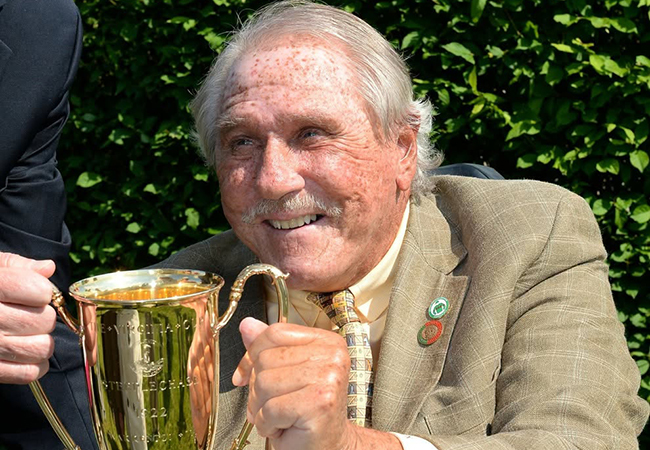
His importance extended beyond the trophies. Sustaining a racing stable supports a network of trainers, riders, grooms, veterinarians, and farriers; Naylor’s long involvement helped sustain that work. The NSA’s remembrance also described his readiness to share credit with the people caring for and campaigning his horses.
At Great Meadow on October 24, his name remained part of the afternoon’s results. Max’d Out, listed under Irvin S. Naylor’s ownership, won the Zeke Ferguson Memorial Ratings Handicap Hurdle for trainer Thomas Garner and jockey Stephen Mulqueen, finishing 4½ lengths clear.
Coming so soon after his death, that victory offers a poignant connection between the day’s racing and the man whose commitment helped strengthen the sport. Remembering Naylor means recognizing both the champions he owned and the people whose work made those achievements possible.
Hats, Tailgates, and a Different Kind of Competitive Spirit
The tailgate contest gave guests an opportunity to turn hospitality into a creative project. Organizers encouraged elaborate themes, decorations, costumes, and entertainment—an invitation to make a reserved space feel like a temporary destination of its own.
That is the pleasure of a good race-day tailgate: the thought behind it. A successful theme connects the table, the menu, and the people gathered around it. The most interesting photographs often come from those relationships rather than a single decorative centerpiece.
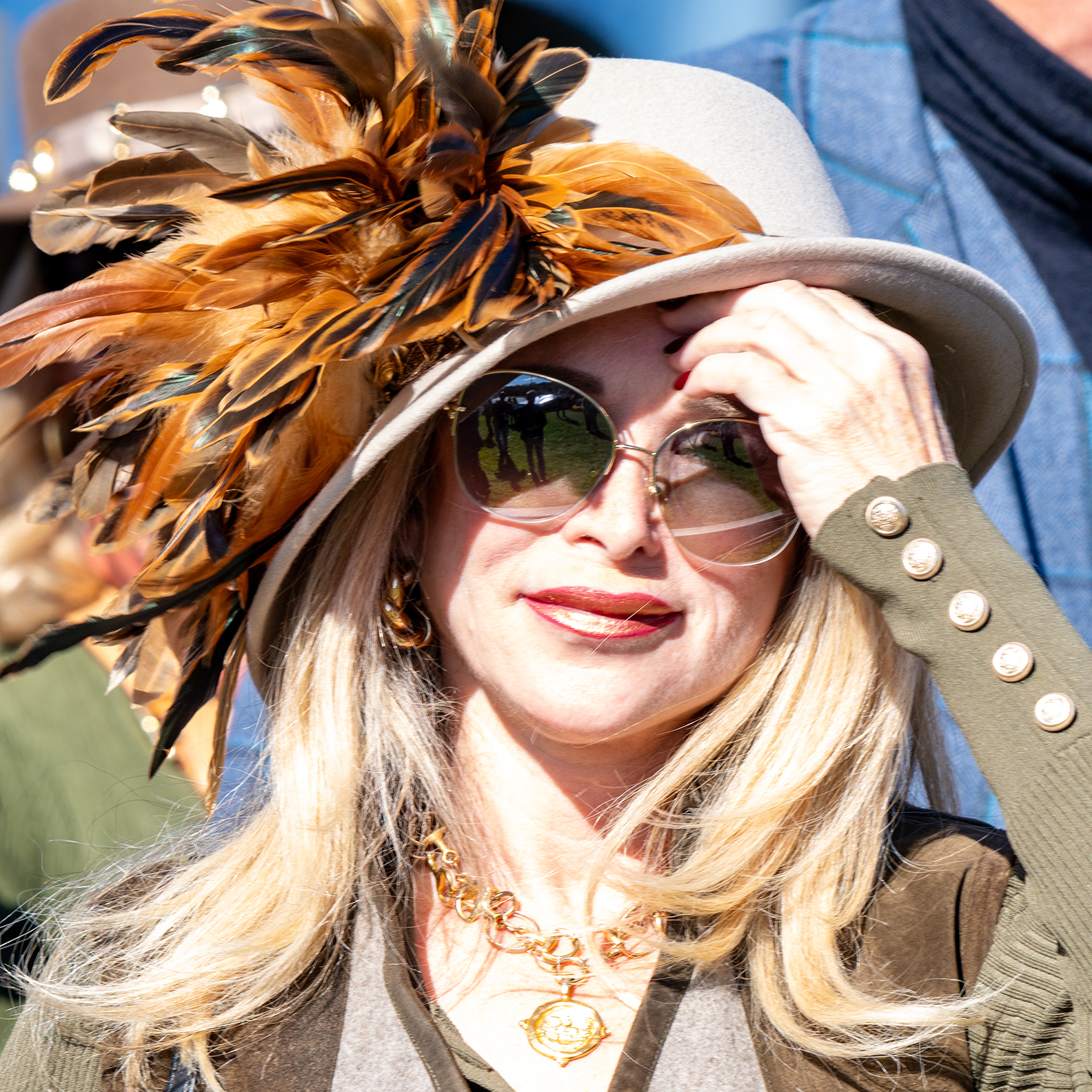
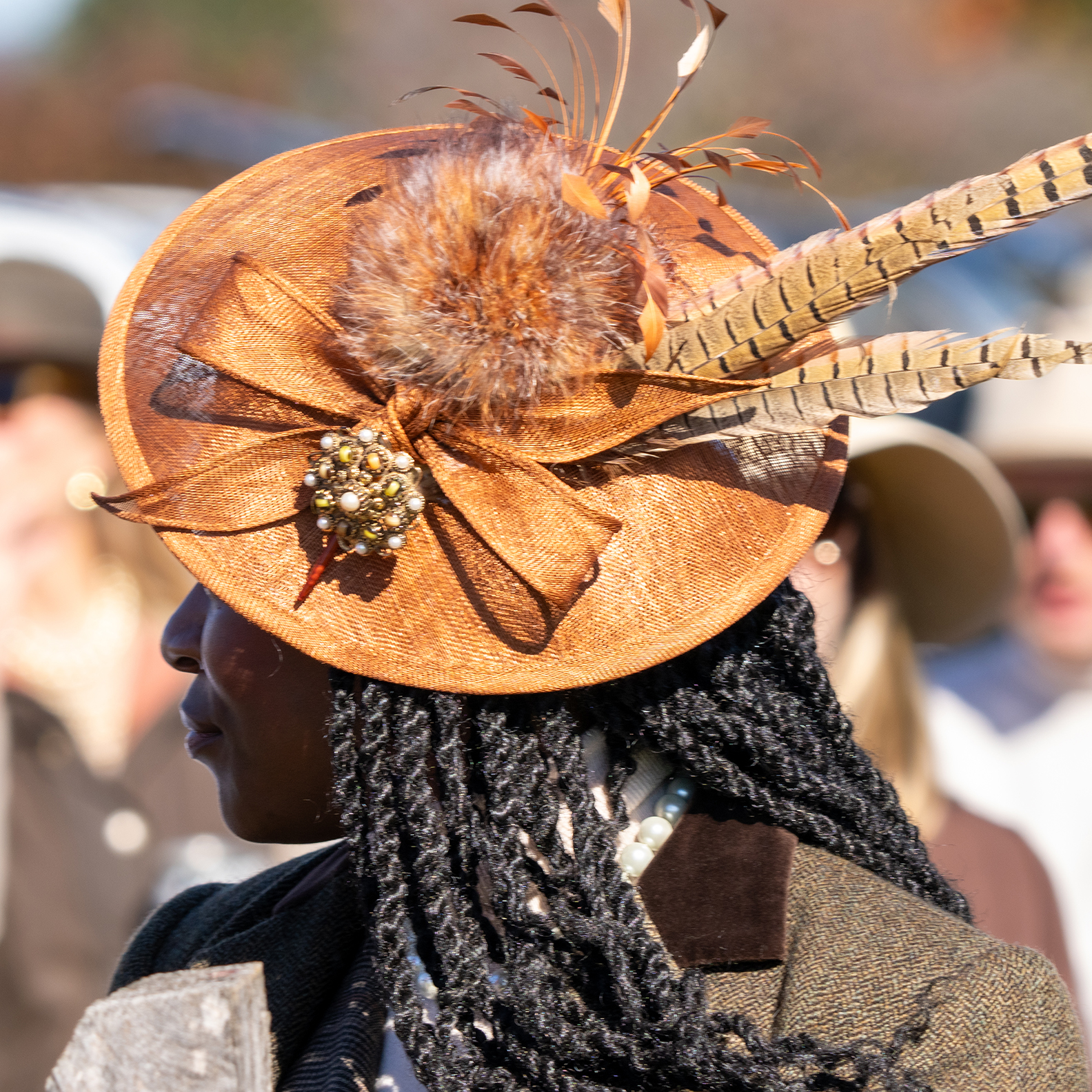
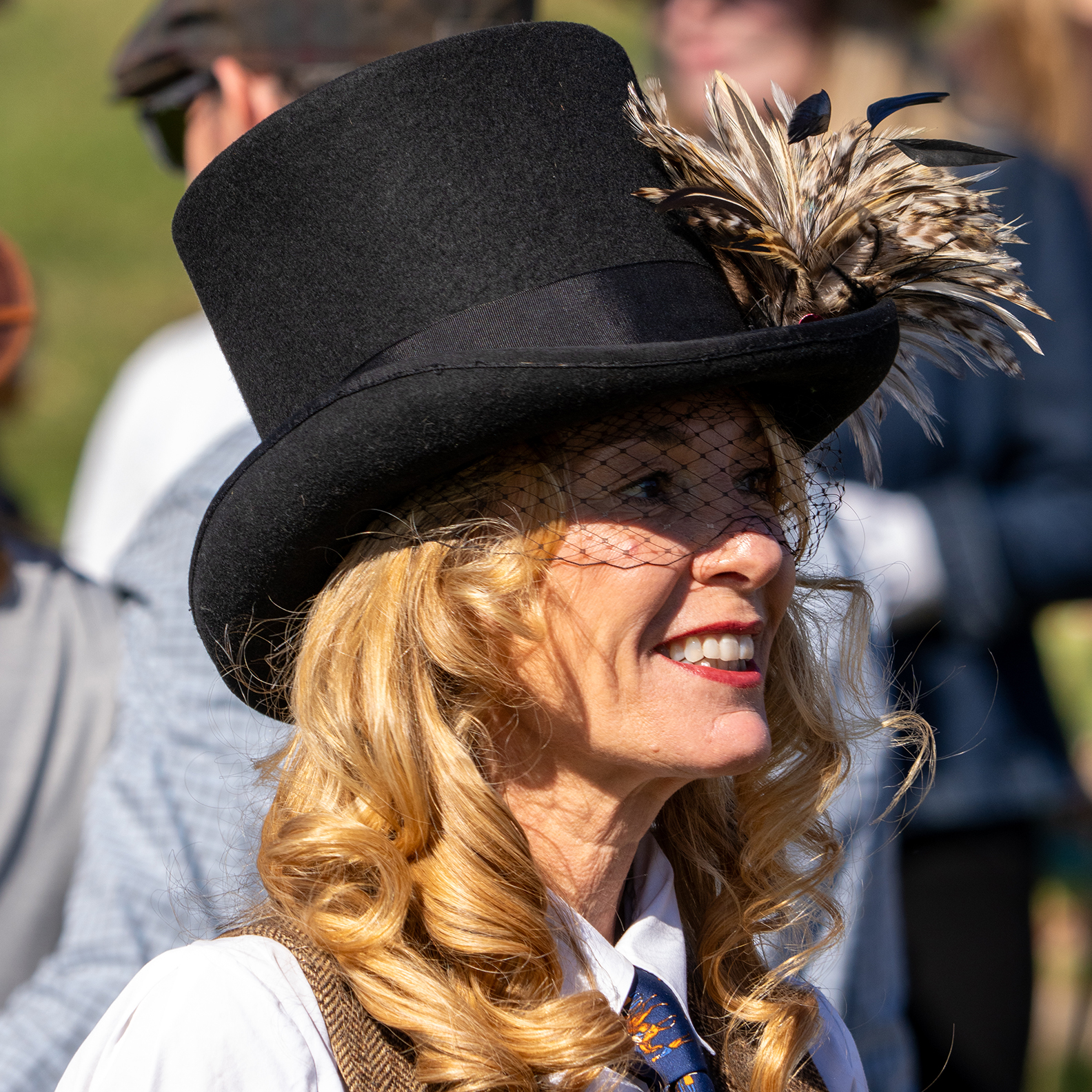
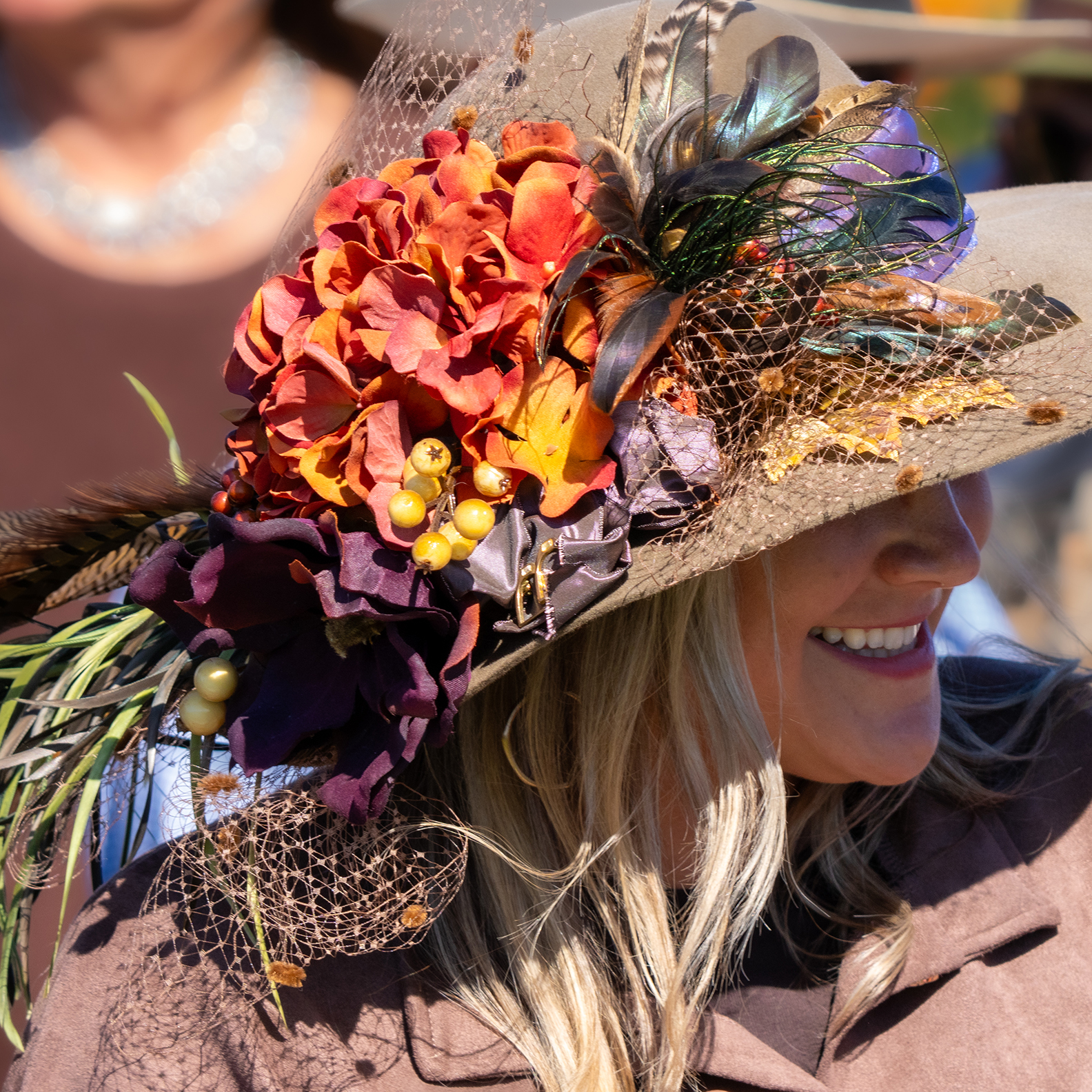
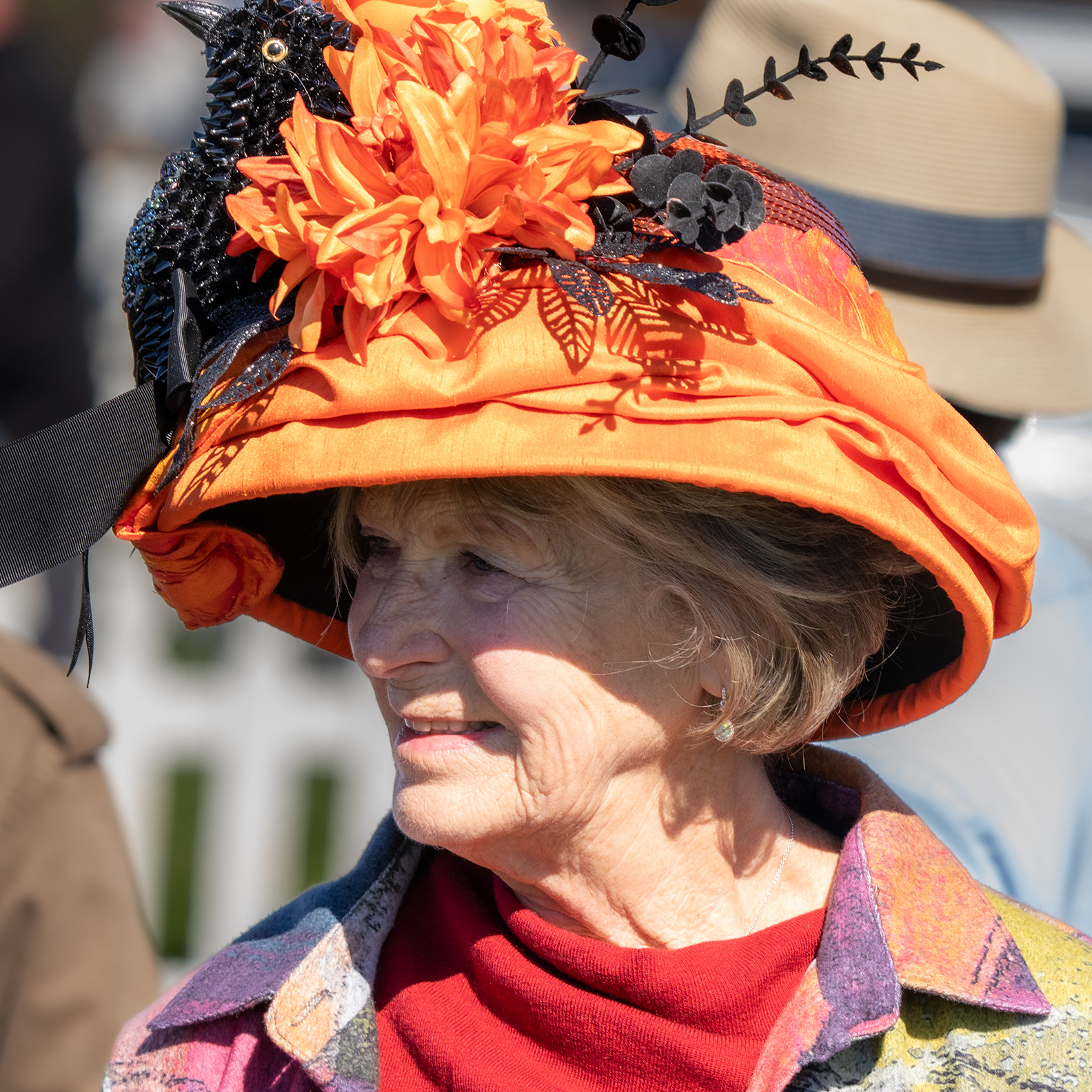
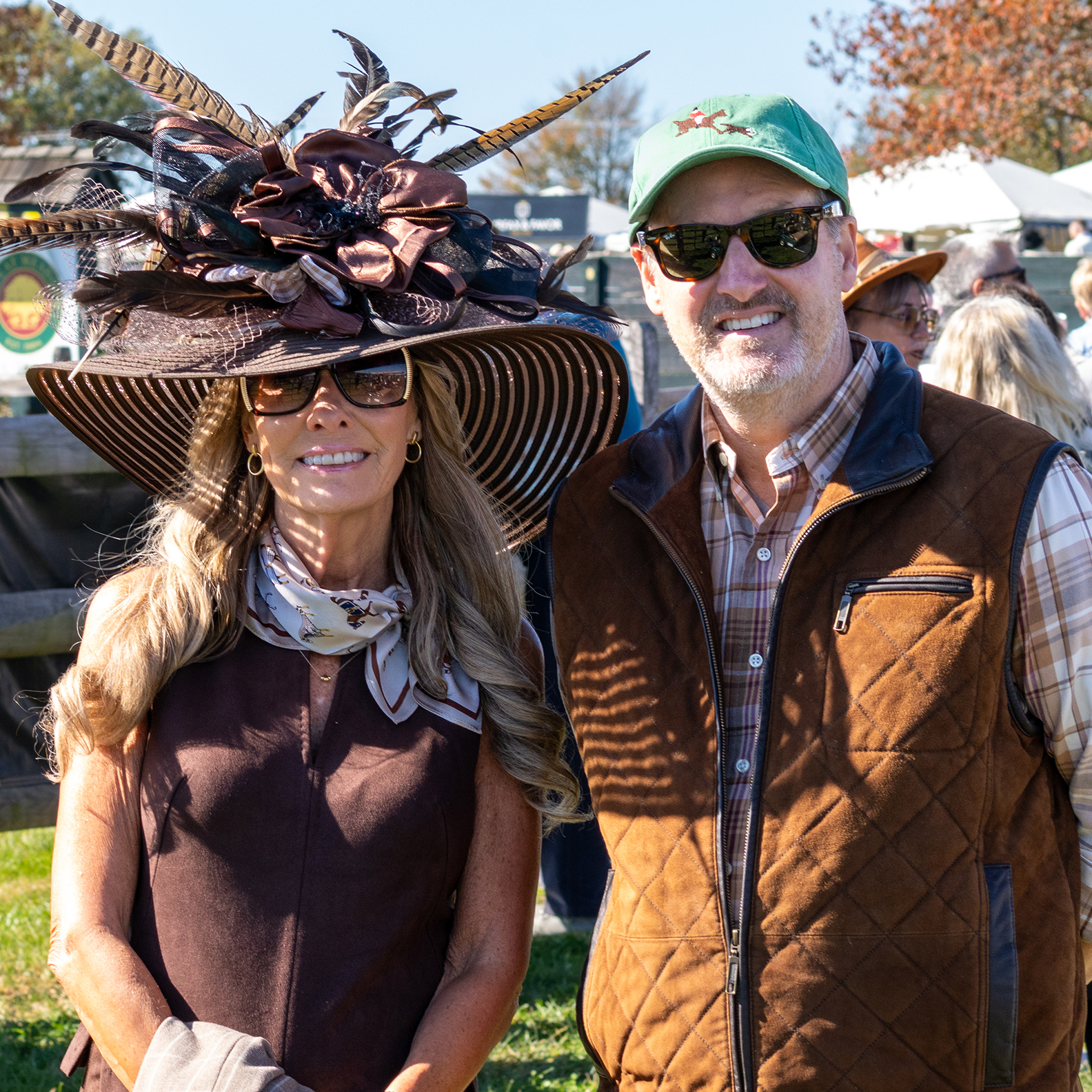
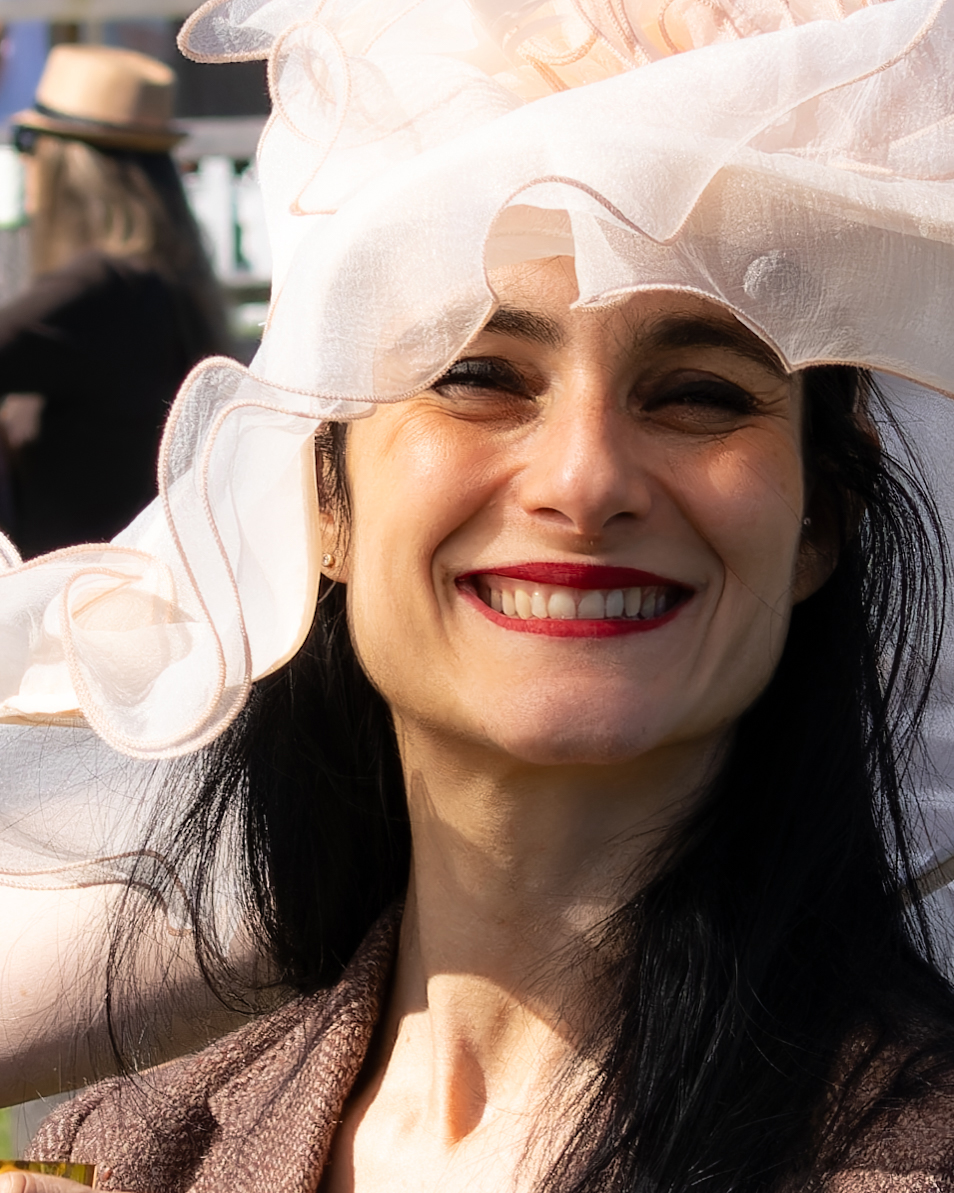
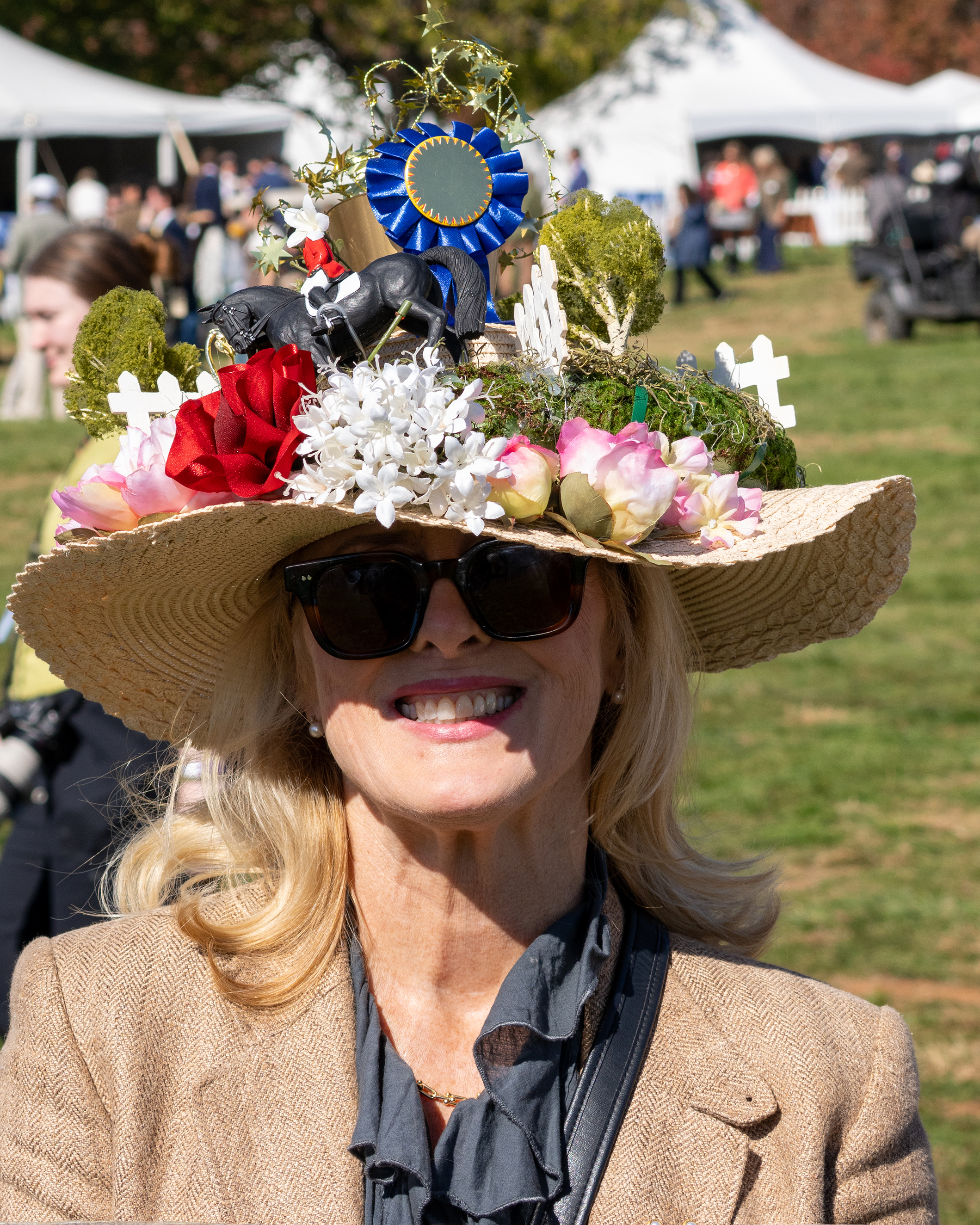
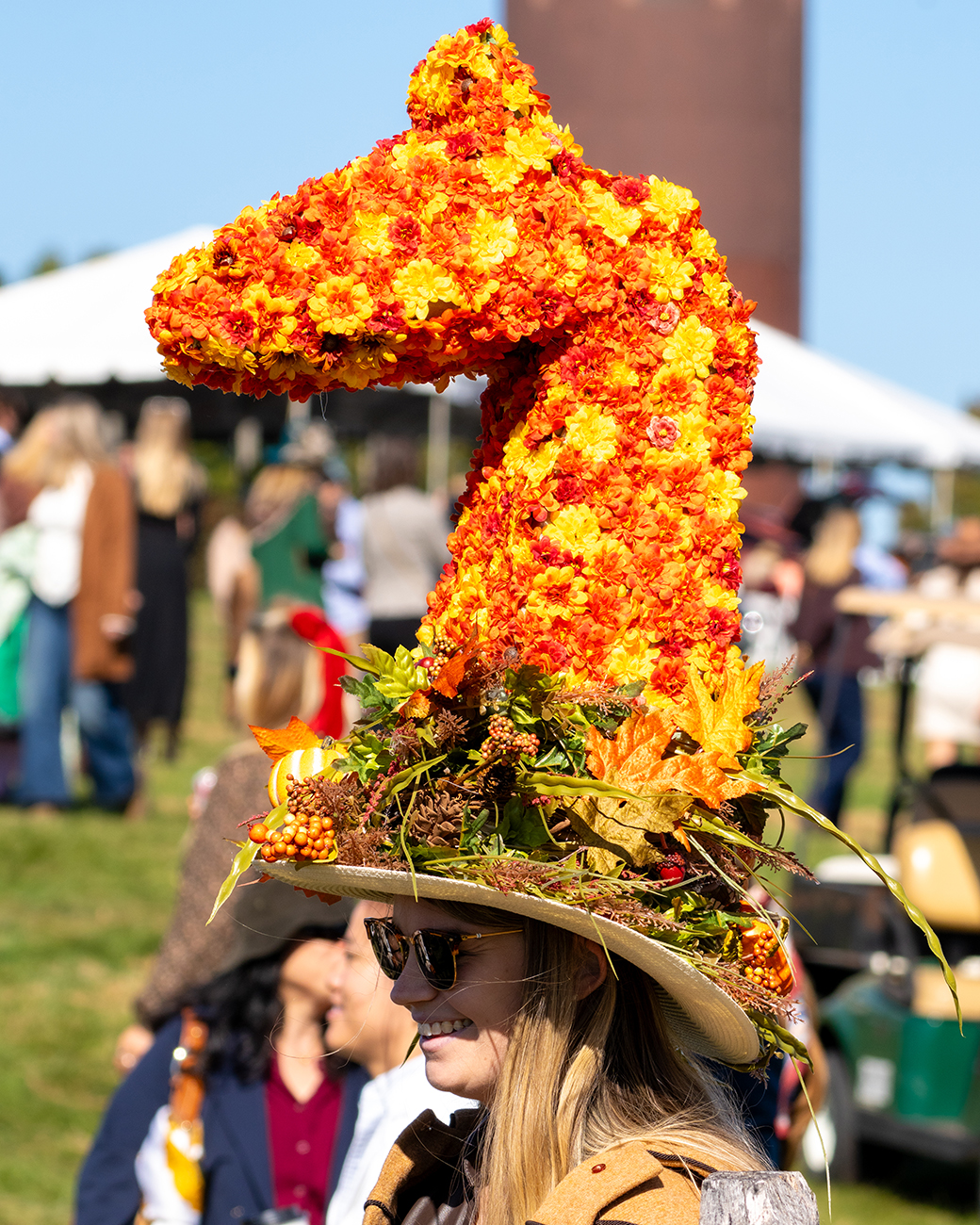
The hat competition offered five categories: Best Racing Theme; Funniest or Most Outrageous; Most Glamorous and Elegant; Best Child, under 18; and Best Men’s Showing. The categories accommodated both polished occasion dressing and deliberately playful inventions.
Final Word
The 2026 International Gold Cup supplied concrete sporting headlines: Noah And The Ark’s close timber victory, Lydford’s Grade 2 success, and seven winners across a substantial afternoon of racing.
Its broader appeal lies in the way those contests fit into the occasion. A trophy with an international history, a preserved Virginia landscape, and competitions in hospitality and personal style give the meeting several points of entry. Visitors can come for different reasons and still share the same afternoon.
Make time for the company and the setting, then turn toward the course when the horses appear. The racing deserves the attention.