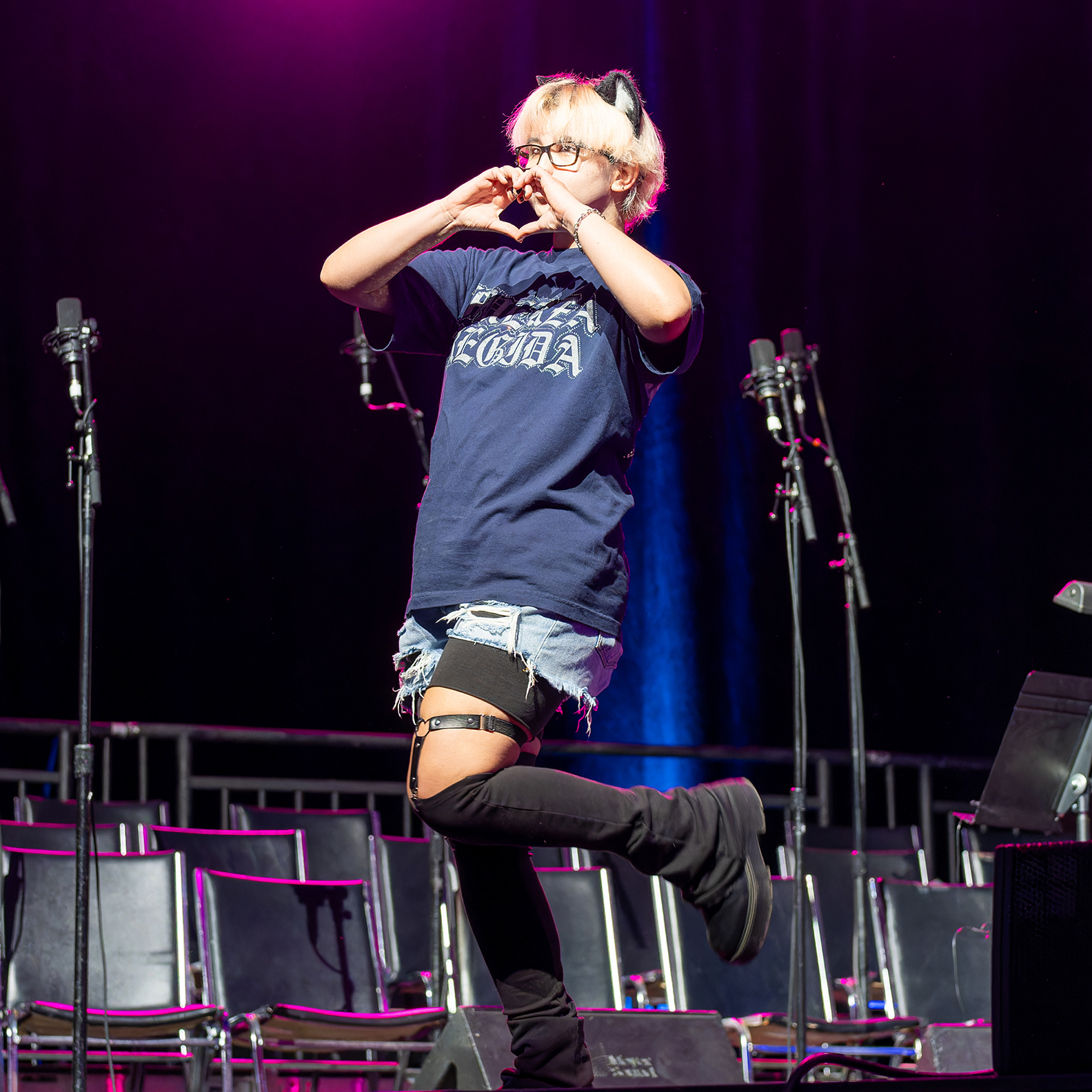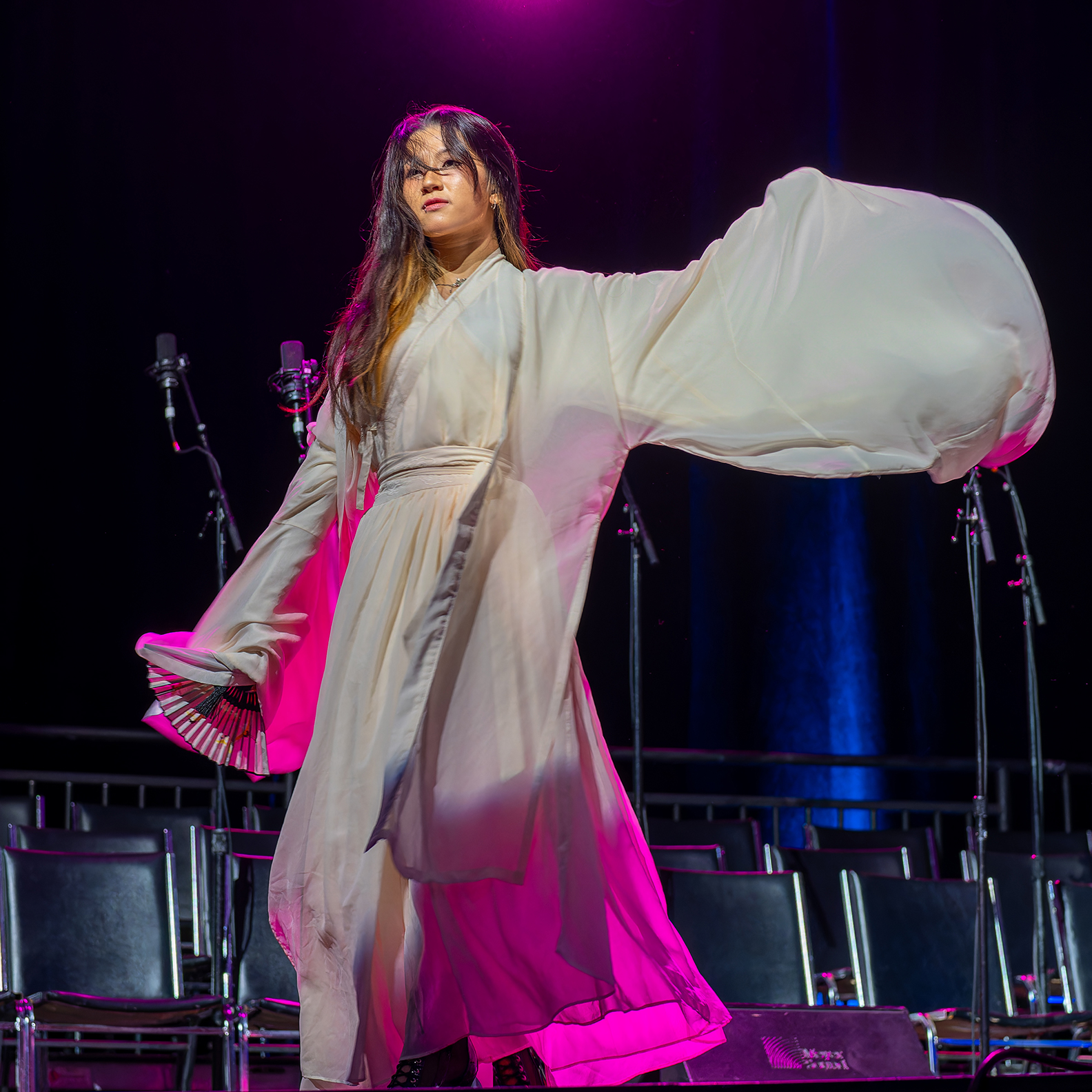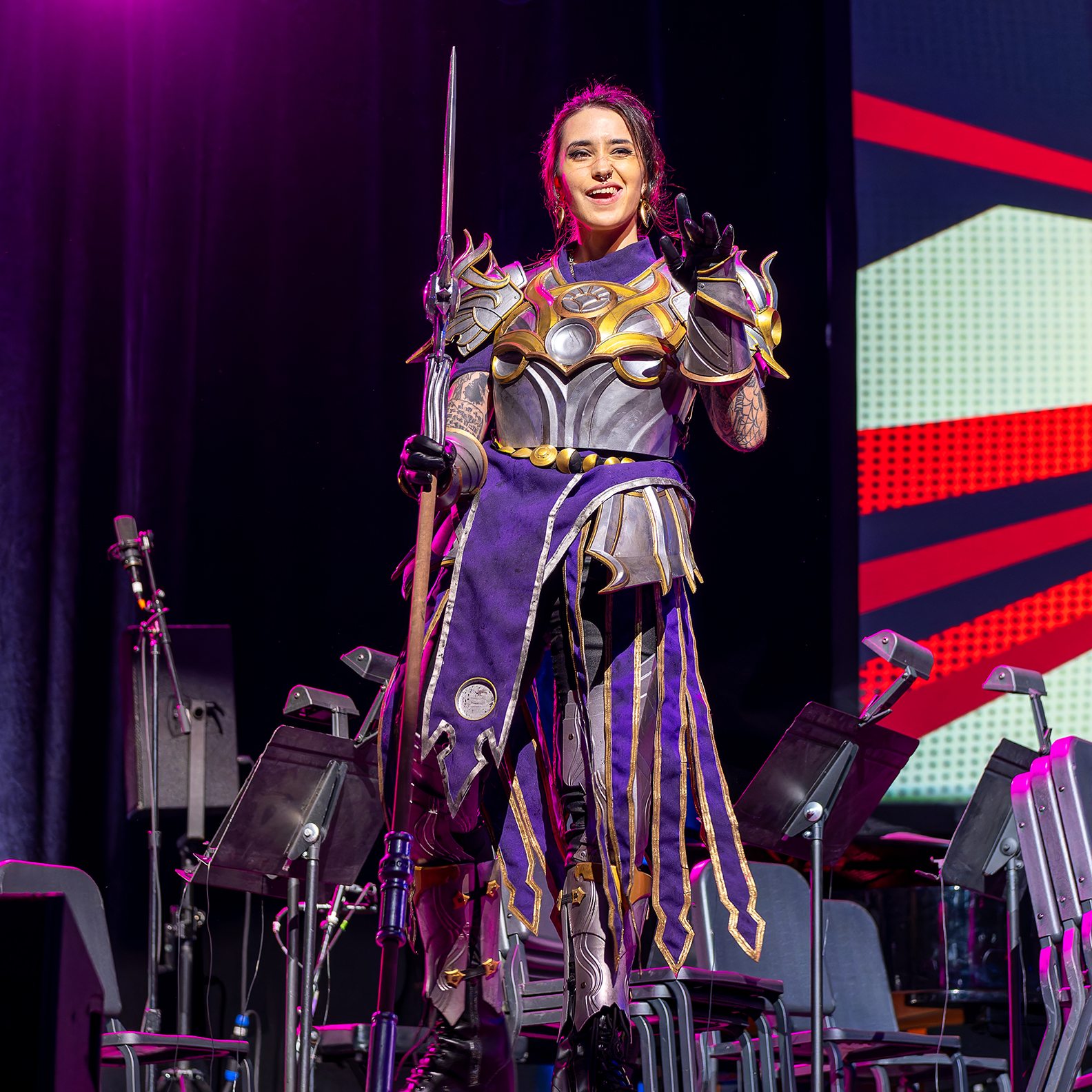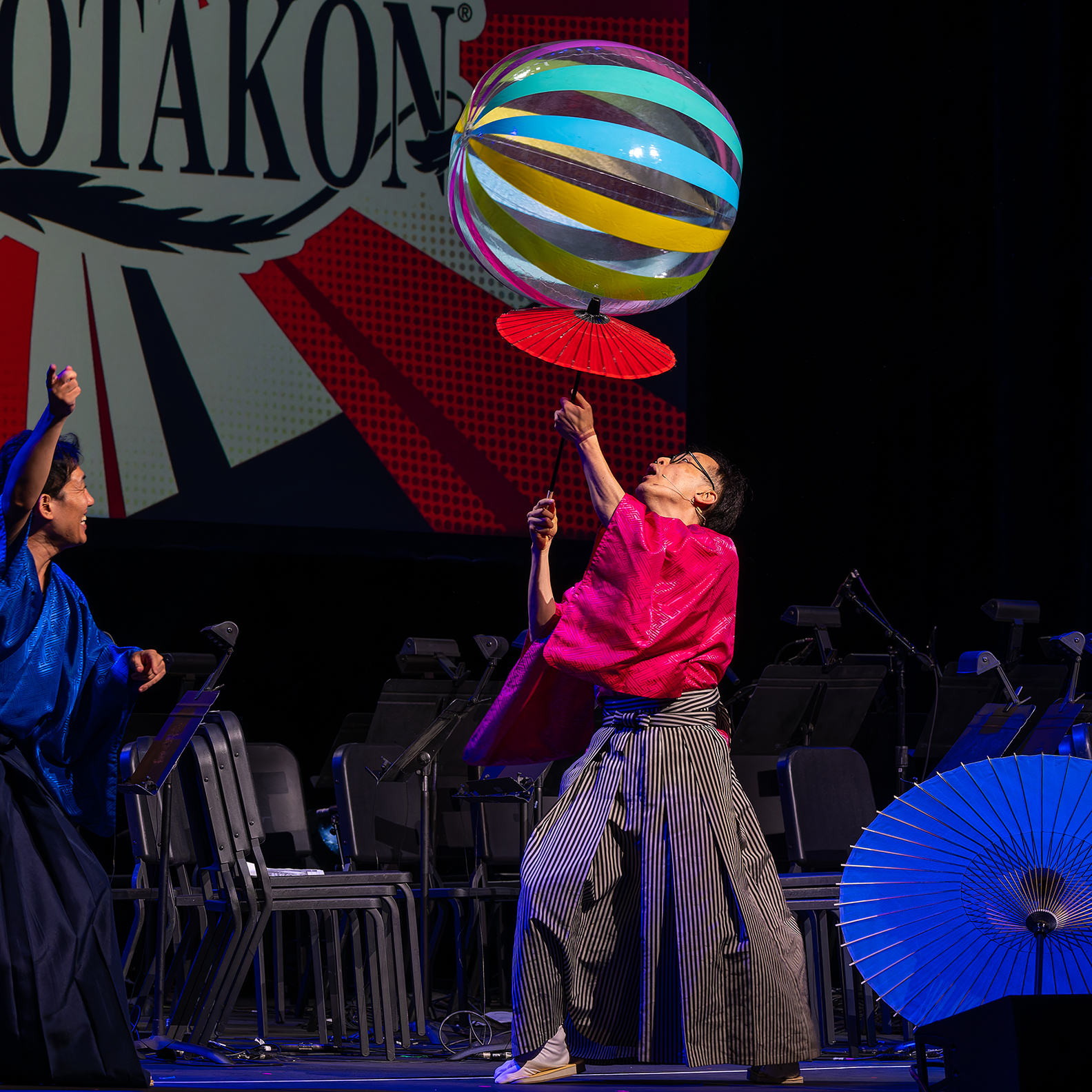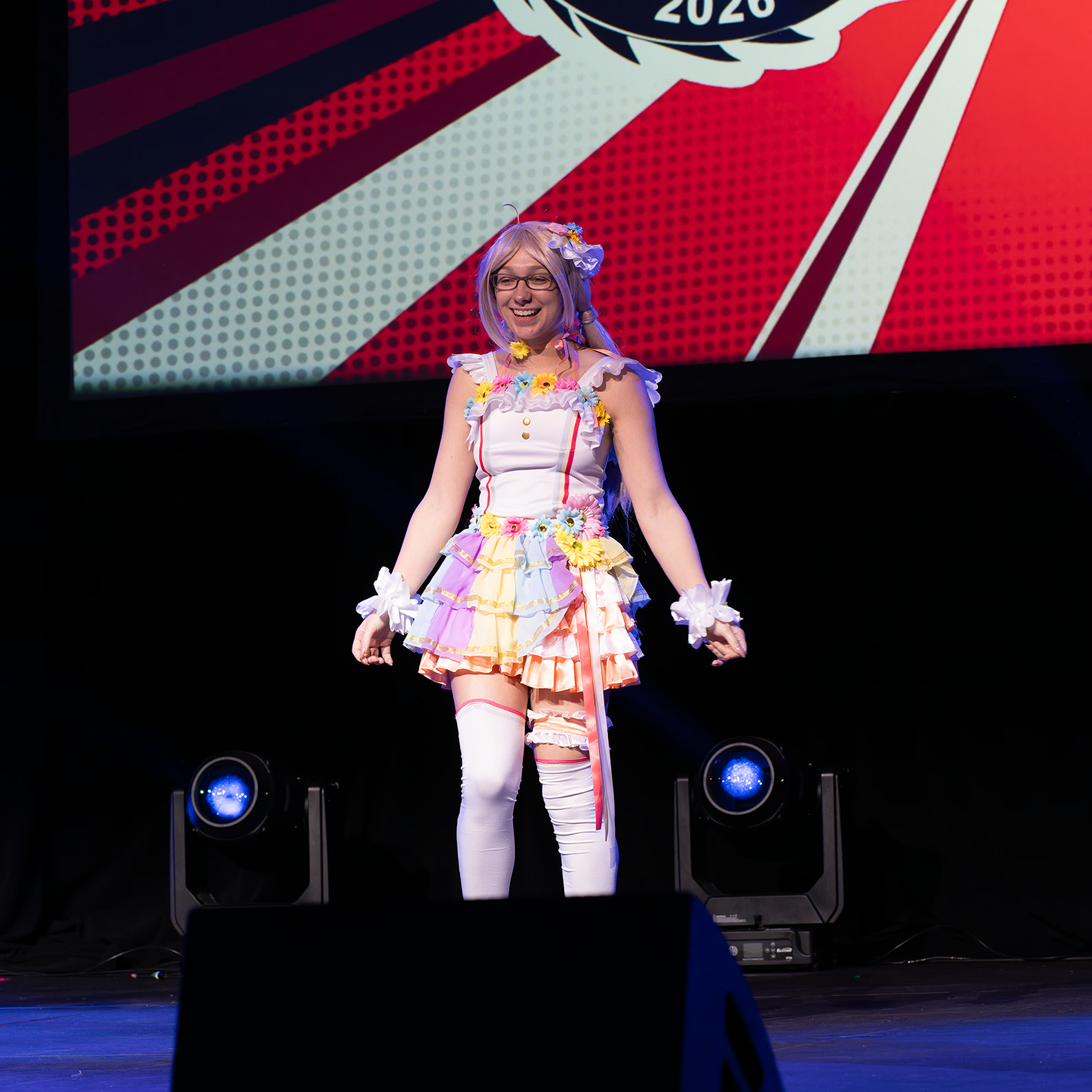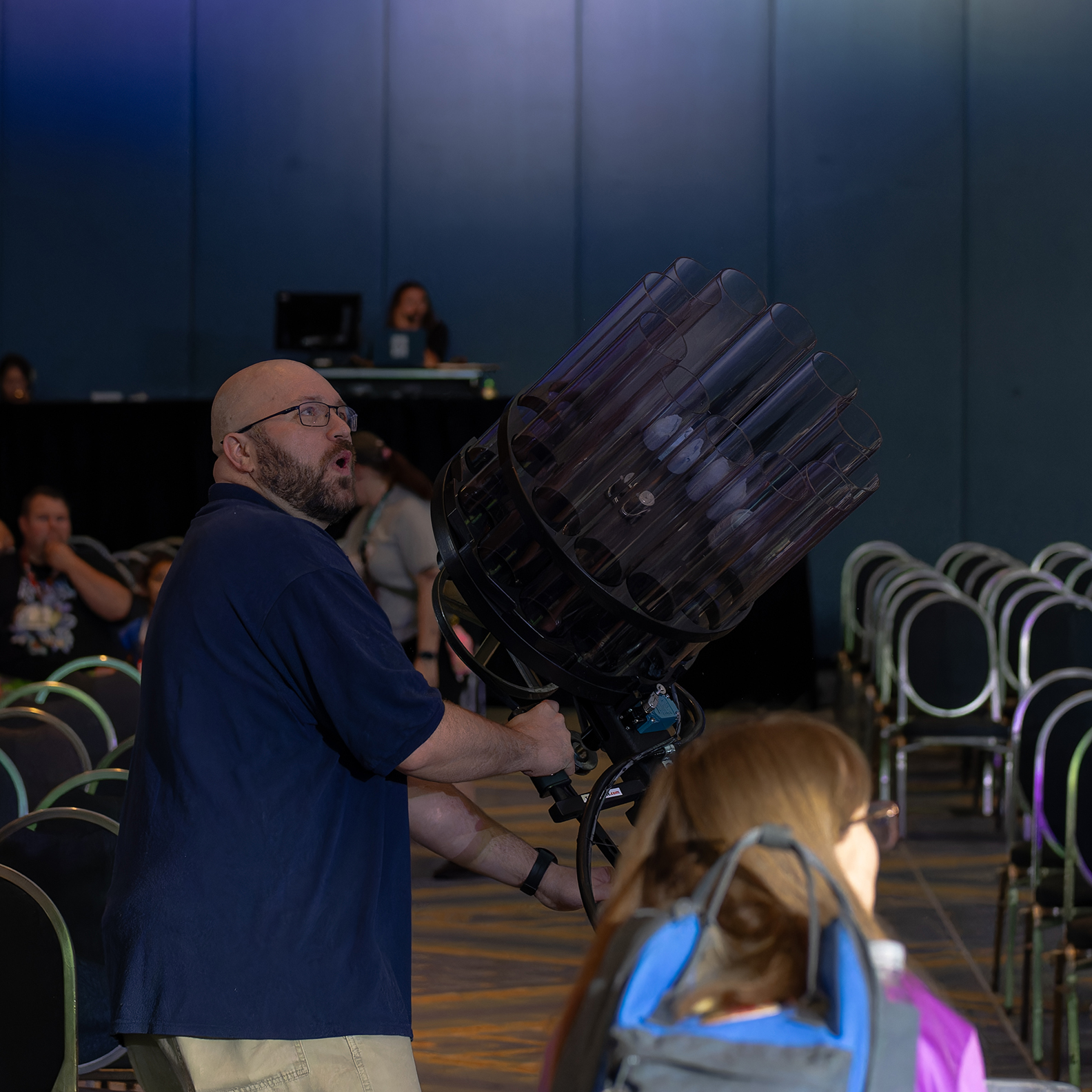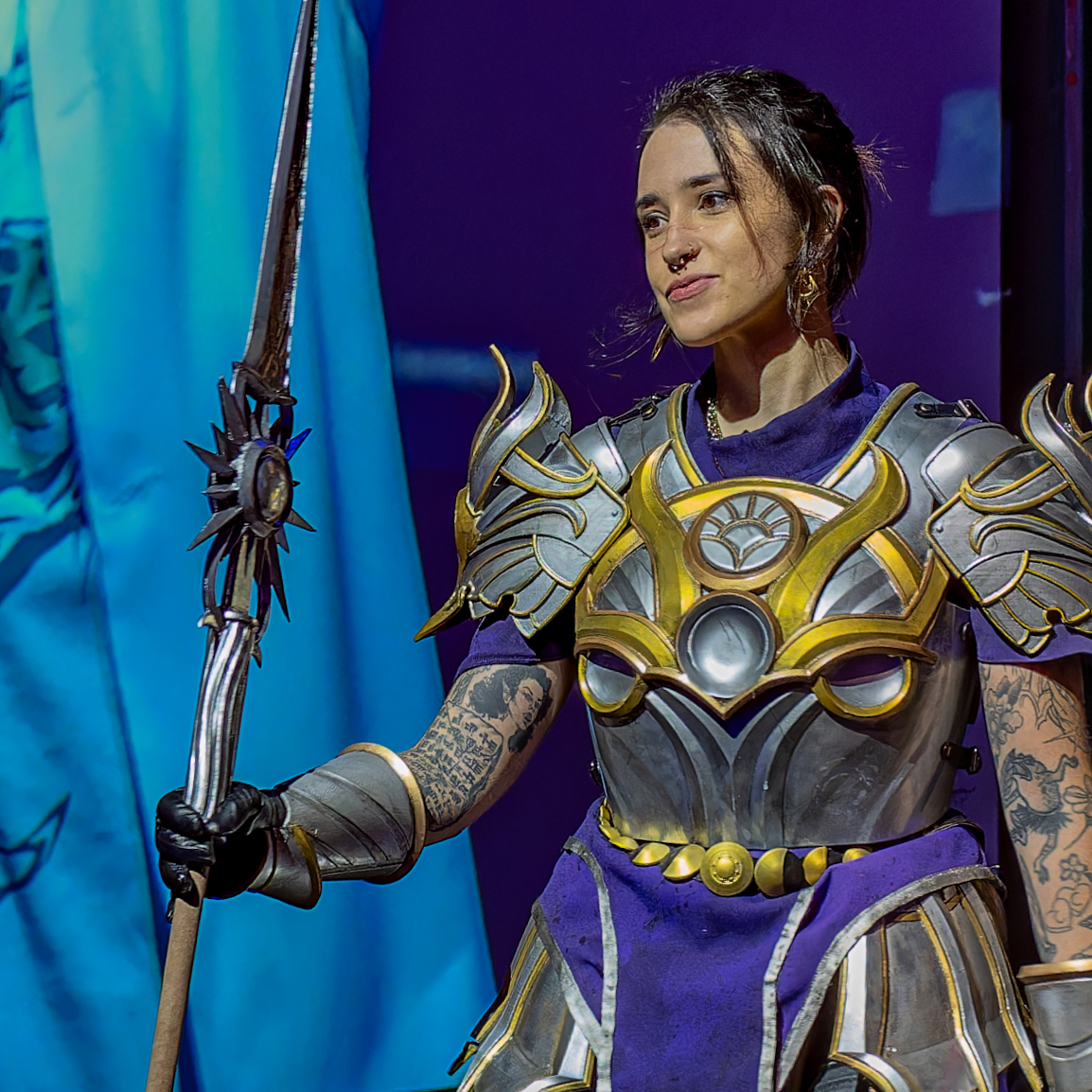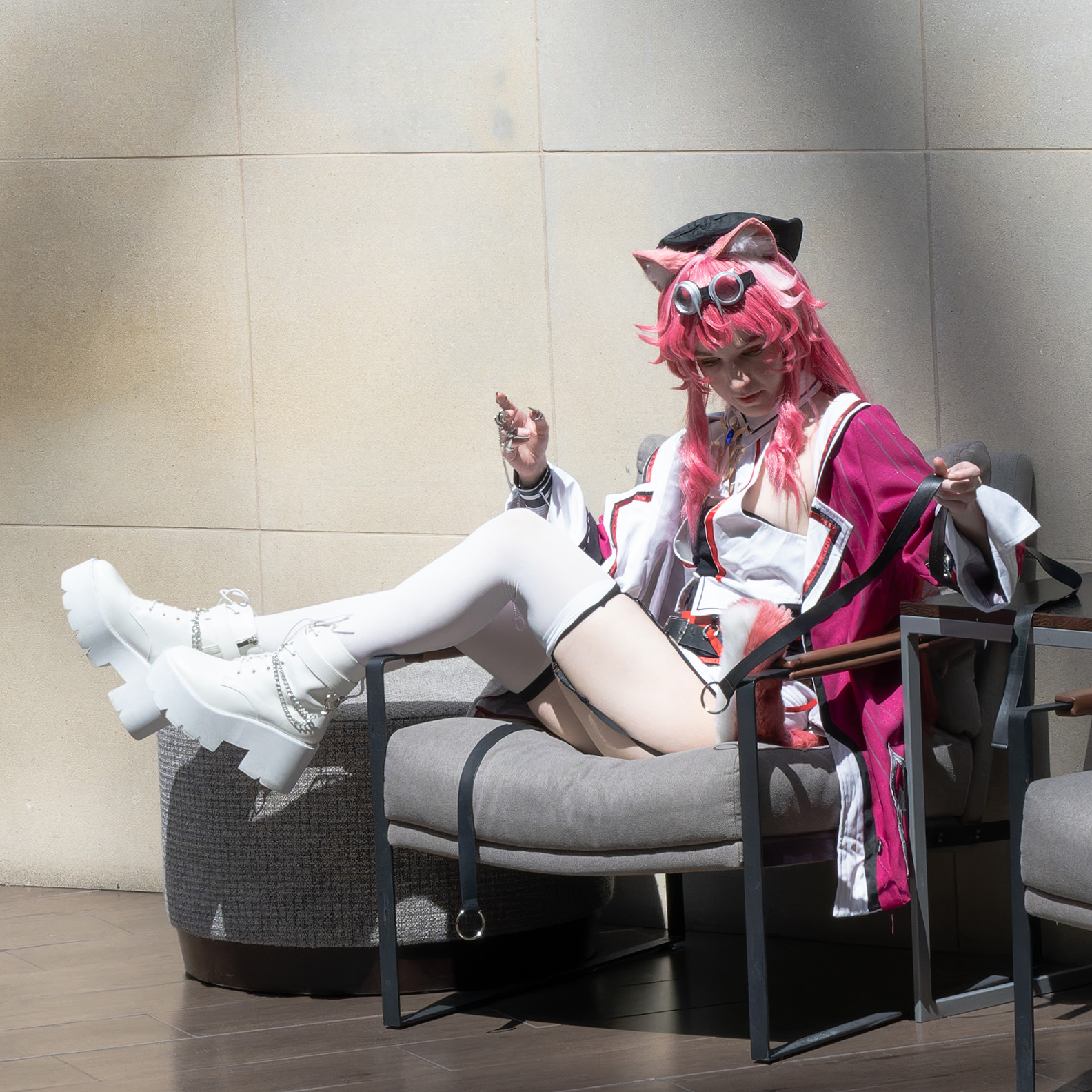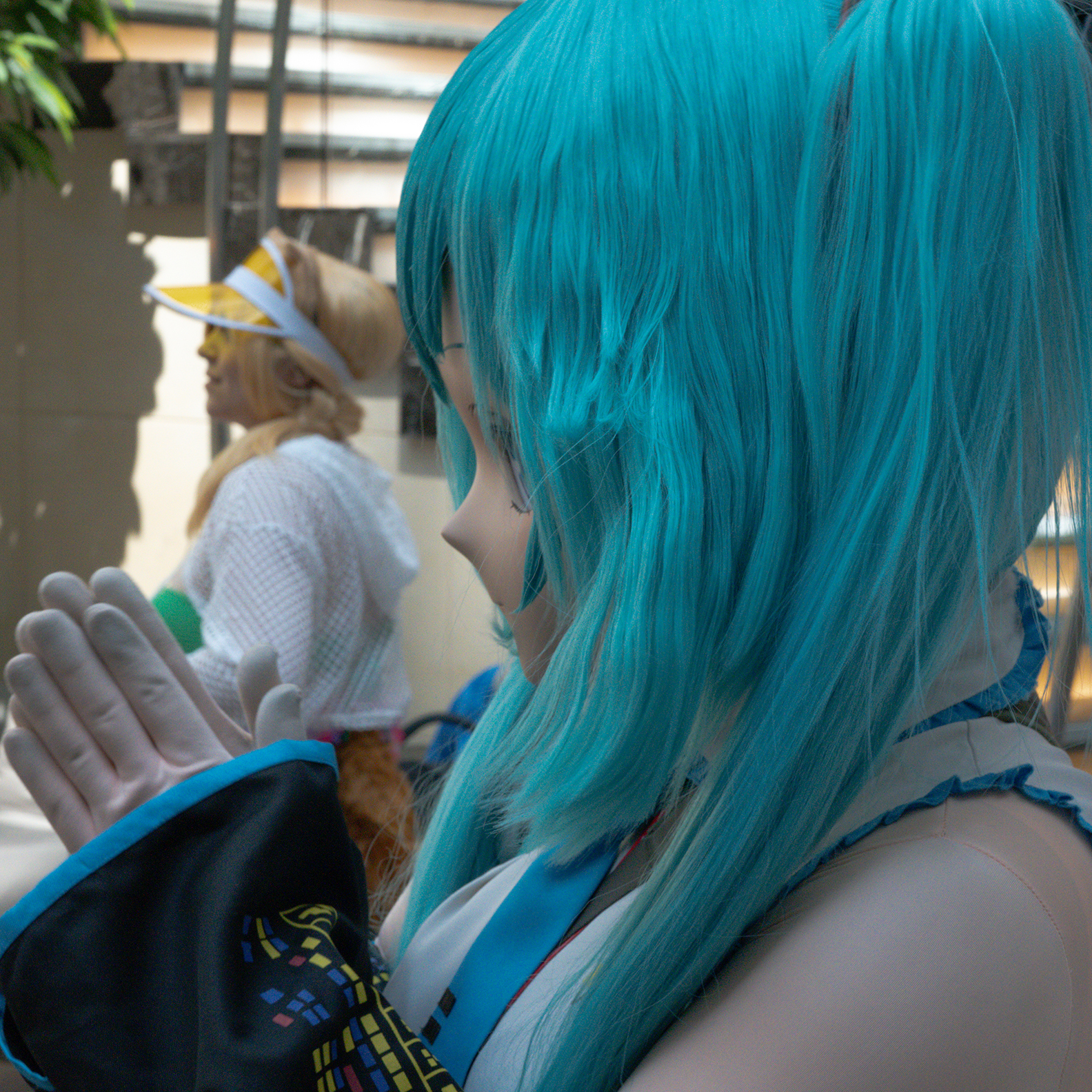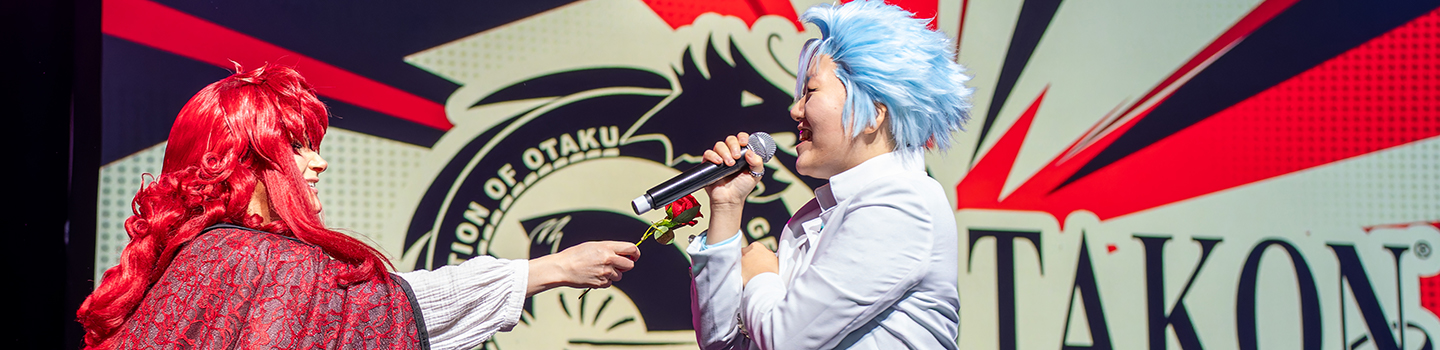
For one high-energy weekend, the streets around the Walter E. Washington Convention Center became a moving gallery of imagination. Anime heroes, video-game icons, gothic Lolitas, fantasy warriors and original characters streamed through downtown Washington as Otakon returned July 31 through August 2, 2026.
The annual convention, presented by the volunteer-run nonprofit Otakorp, is built around anime, manga, Asian popular culture, gaming, music, fashion and the communities that form around them. But its real draw is harder to put on a schedule: Otakon gives thousands of people permission to arrive exactly as themselves—or as the character, creator, performer or fan identity they have spent months bringing to life.
This year’s convention drew a reported 47,049 memberships, a new Otakon record. The figure includes registered attendees as well as staff, exhibitors, artists, guests, contractors and press, and may change slightly after the organization completes its final audit. Even with that important distinction, the number is substantial: it surpassed Otakon’s roughly 43,000 reported memberships in 2025 and its previous record of about 46,000 during the convention’s 30th-anniversary year in 2024.
A Convention That Has Outgrown the Stereotype
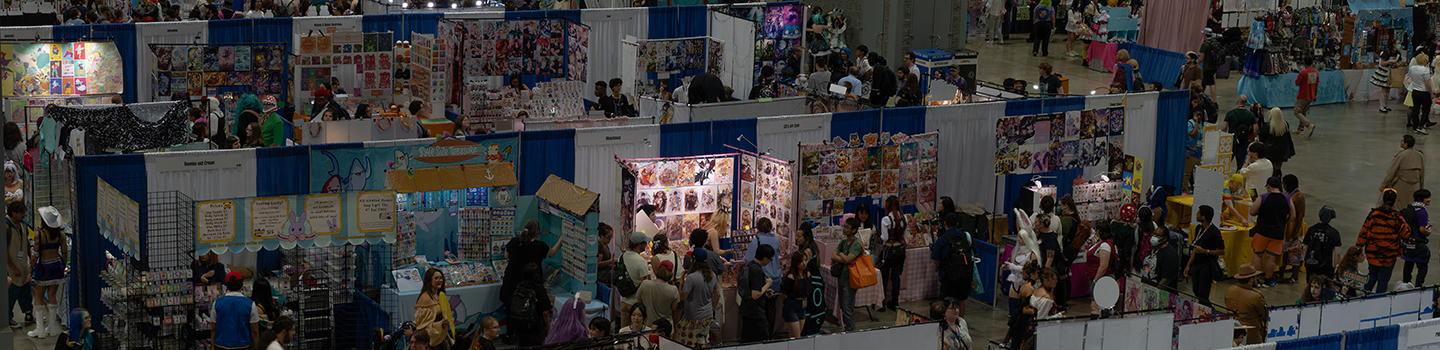
Otakon began in 1994 and has evolved far beyond the narrow idea of an “anime convention.” Its Washington home, the Walter E. Washington Convention Center, became a three-day ecosystem of performances, screenings, guest conversations, cosplay craftsmanship, gaming, shopping, fan art and cultural programming.
That range matters. Someone might spend a morning meeting a voice actor, an afternoon in Artist Alley talking directly with an illustrator, an evening watching cosplay competitors take the stage, and the next day attending a cultural exhibit or learning a practical craft. Otakon’s scale can be overwhelming, but its strongest quality remains its variety: there is no single correct way to experience it.
The record-setting attendance also reinforces the convention’s growing role in downtown DC. Otakon is not merely a destination for a niche audience. It is a major summer convention that brings visitors, hotel activity, restaurant traffic and a visible burst of creative culture to the neighborhood around Mount Vernon Square.
“The record attendance figure shows demand. The costumes, workshops and conversations explain why people keep returning.”Discover DC Now
The Music of Square Enix Became a Major 2026 Draw
One of the most distinctive additions to the 2026 program was The Music of SQUARE ENIX, an all-new symphonic concert production built around some of video gaming’s most recognizable scores.
The multimedia performance celebrated music from CHRONO TRIGGER, FINAL FANTASY, KINGDOM HEARTS, Legend of Mana, NieR, Octopath Traveler and more, pairing orchestral arrangements with high-definition game visuals. It was a smart fit for Otakon: a concert designed not only as nostalgia, but as an event recognizing how deeply game music has become part of fans’ emotional connection to these worlds.
AWU 2026 Performance
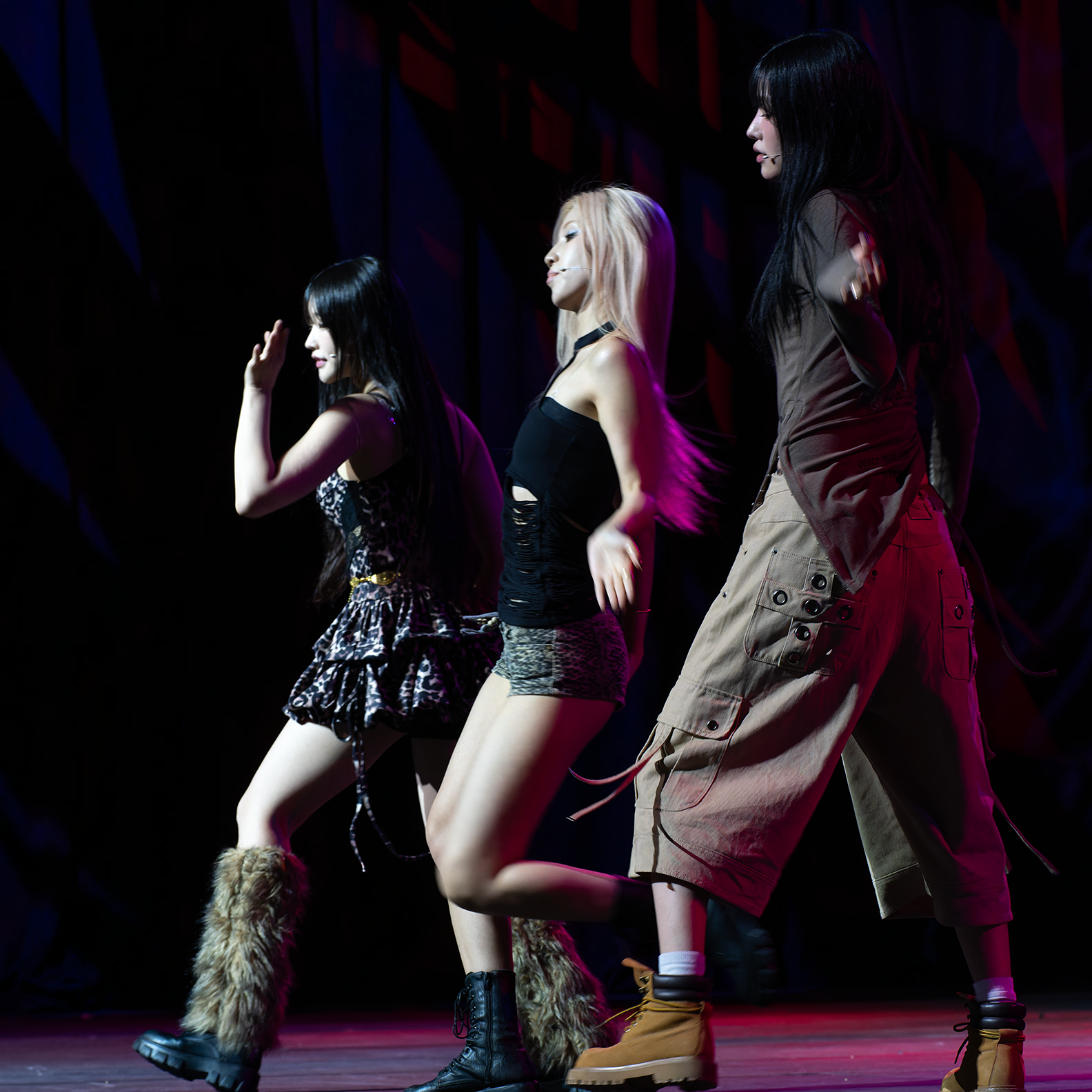
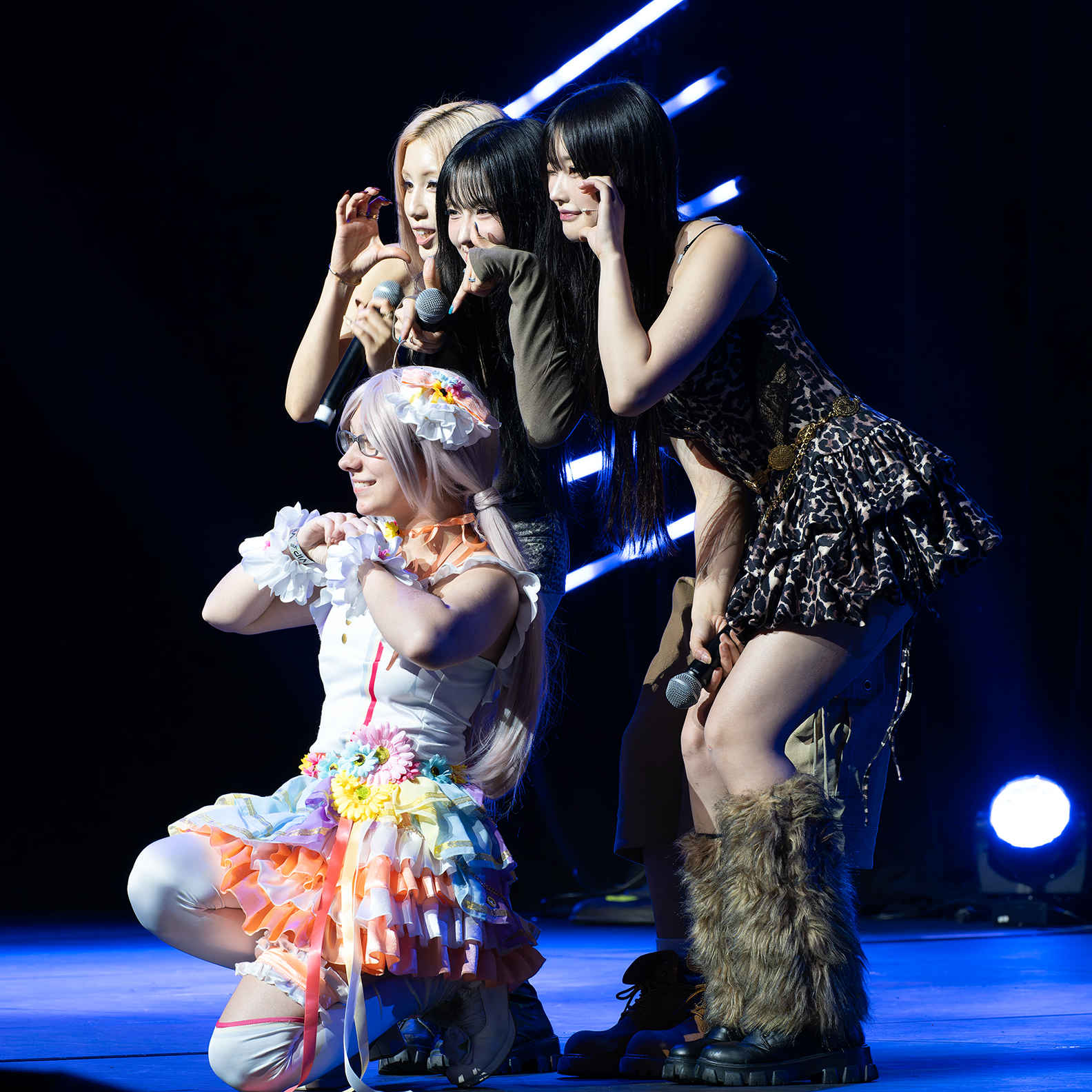
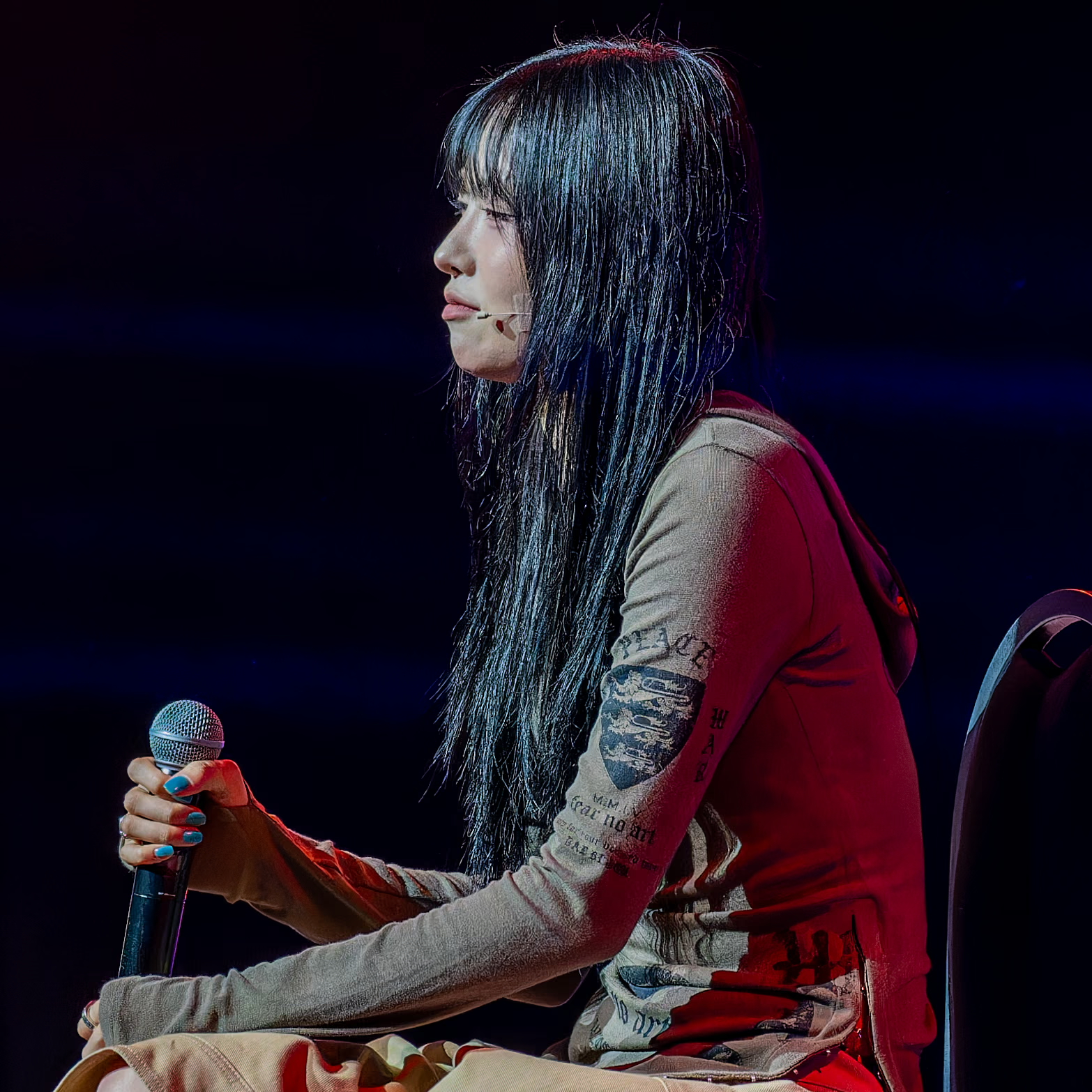
The musical lineup also included AWU, the newly re-debuted group formed by DIA, LOLA and U_CHAE, formerly of the K-pop group PIXY. Their appearance brought another dimension to a weekend that has increasingly embraced the overlap among anime, idol culture, gaming, Korean pop culture and online fandom.
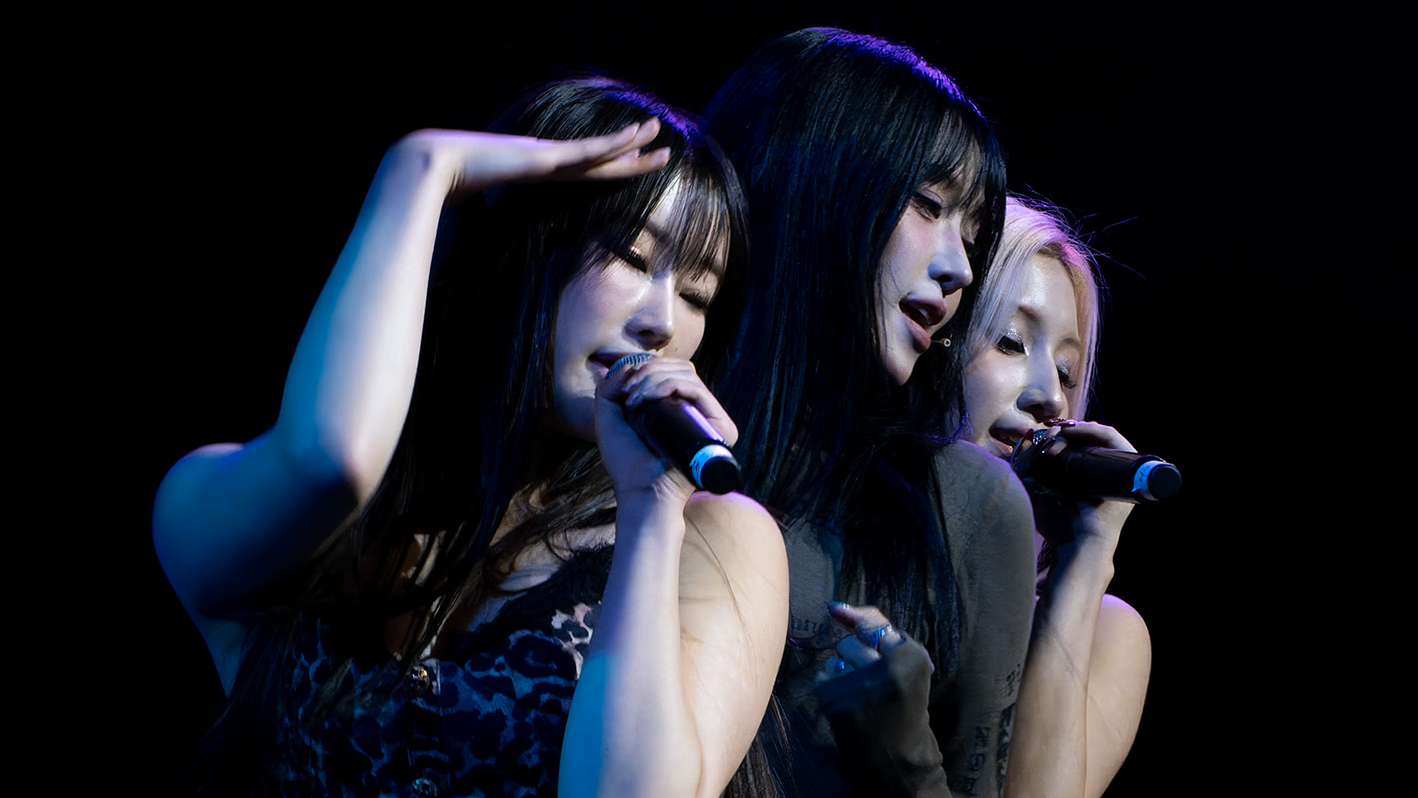
Building upon PIXY’s signature identity of powerful music and intense performances, AWU carries the legacy forward while revealing a more mature and evolved artistic presence. Through this new chapter, the members aim to showcase not only their continued strength on stage, but also their growth as artists and individuals, presenting a holistic view of their evolving careers.
- Masquerade and Hall Costume Contest
- AMV Contest
- Artist Alley and Dealers Room
- Panels, workshops and autograph sessions
- Gaming, fashion, dance and community programming
New Experiences Expanded the Floor Beyond Panels
The 2026 schedule did not simply repeat familiar convention programming. Otakon added or prominently featured several experiences that broadened the event’s cultural and interactive range.
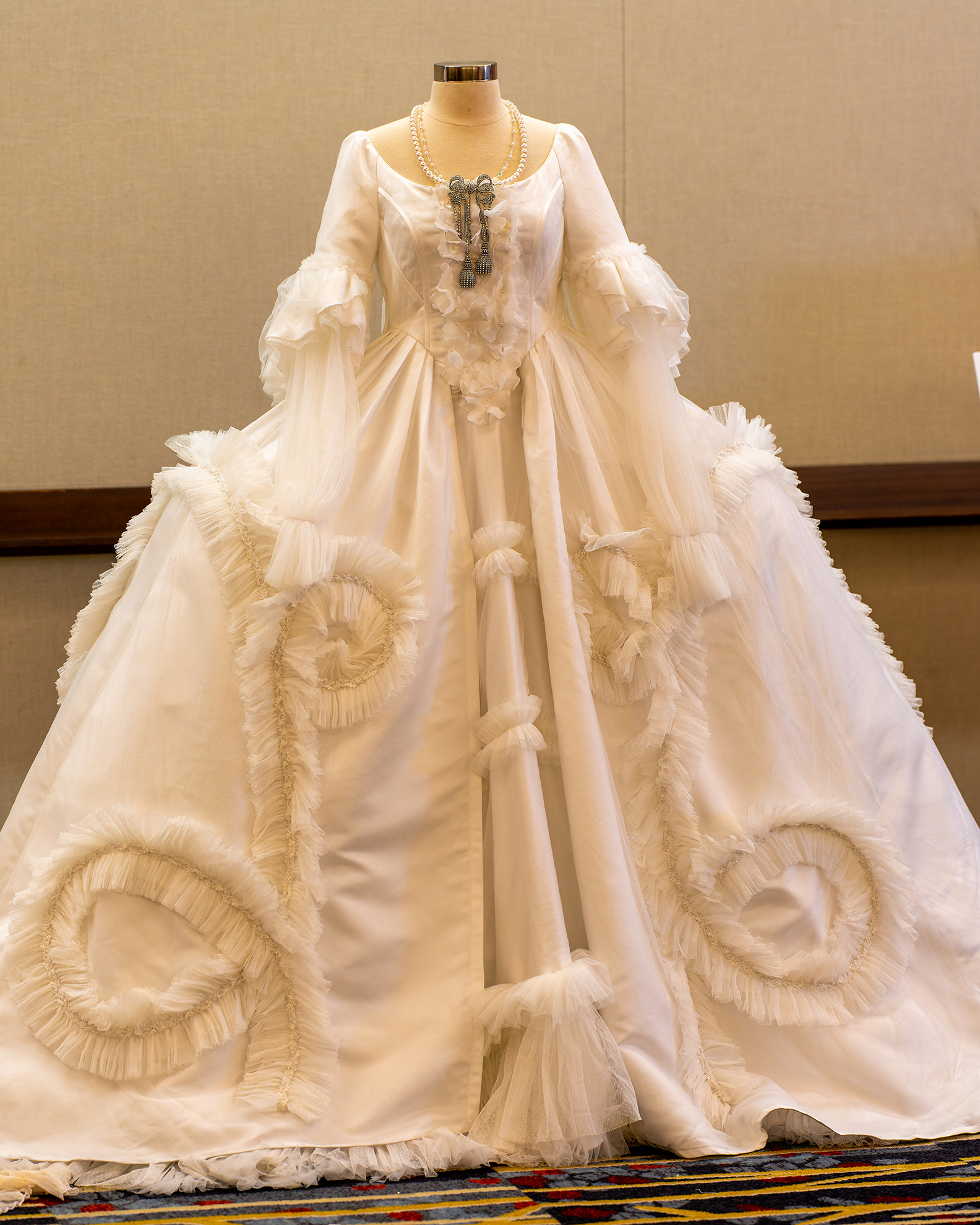
The Hanbok in Manhwa: Meeting Korean Culture Through Clothing exhibit, presented by the Korea Hanbok Promotion Institute and Korea Manhwa Content Agency, introduced attendees to variations of hanbok and the cultural significance of the garments’ components. Located at the Marriott Marquis, the exhibit linked fashion, heritage and the visual language of Korean comics.
Another notable new program was Cybertronic Crash Out! Idol Disaster: Visual Novel Escape Room, an interactive experience in which participants entered a physical puzzle environment framed through visual-novel storytelling. Players joined a fictional safety squad investigating a malfunction at an idol performance—an inventive example of Otakon’s programming moving beyond observation and into participation.
The convention also highlighted its Doll House, a space for doll displays and photography, and continued to make room for hands-on, specialized interests that often get lost at larger events.
Guests Connected Fans to the People Behind the Work
Otakon’s guest roster covered voice acting, animation, publishing, game localization, fashion, VTubing, webtoons and fandom creation. That breadth made the convention feel less like a single franchise event and more like a cross-section of the people shaping contemporary pop culture.
Among the notable guests were voice actor Xanthe Huynh, known for roles in Persona 5, Fire Emblem: Three Houses, Genshin Impact, Lycoris Recoil and more; Ray Chase, whose credits include FINAL FANTASY XV, Jujutsu Kaisen, Demon Slayer and X-Men ’97; and Kazuki Ura, the voice of Yoichi Isagi in Blue Lock.
The Japanese guest program also brought major industry experience to Washington. Takayuki Goto, a founding member of Production I.G, joined fellow Production I.G leaders Maki Terashima-Furuta and Yoko Ueda. Their presence placed studio history, international production and animation craft squarely in the convention conversation.
Game fans had a clear reason to pay attention as well: Michael-Christopher Koji Fox, Square Enix localization director and a key creative voice behind FINAL FANTASY XIV and FINAL FANTASY XVI, was part of the guest lineup. The roster also included a significant VTuber presence, led by Ironmouse, alongside creators such as Zentreya, Rachie and others.
The Traditions Still Carried the Weekend
For all the new programming, Otakon’s enduring attractions remained central to the convention’s identity.
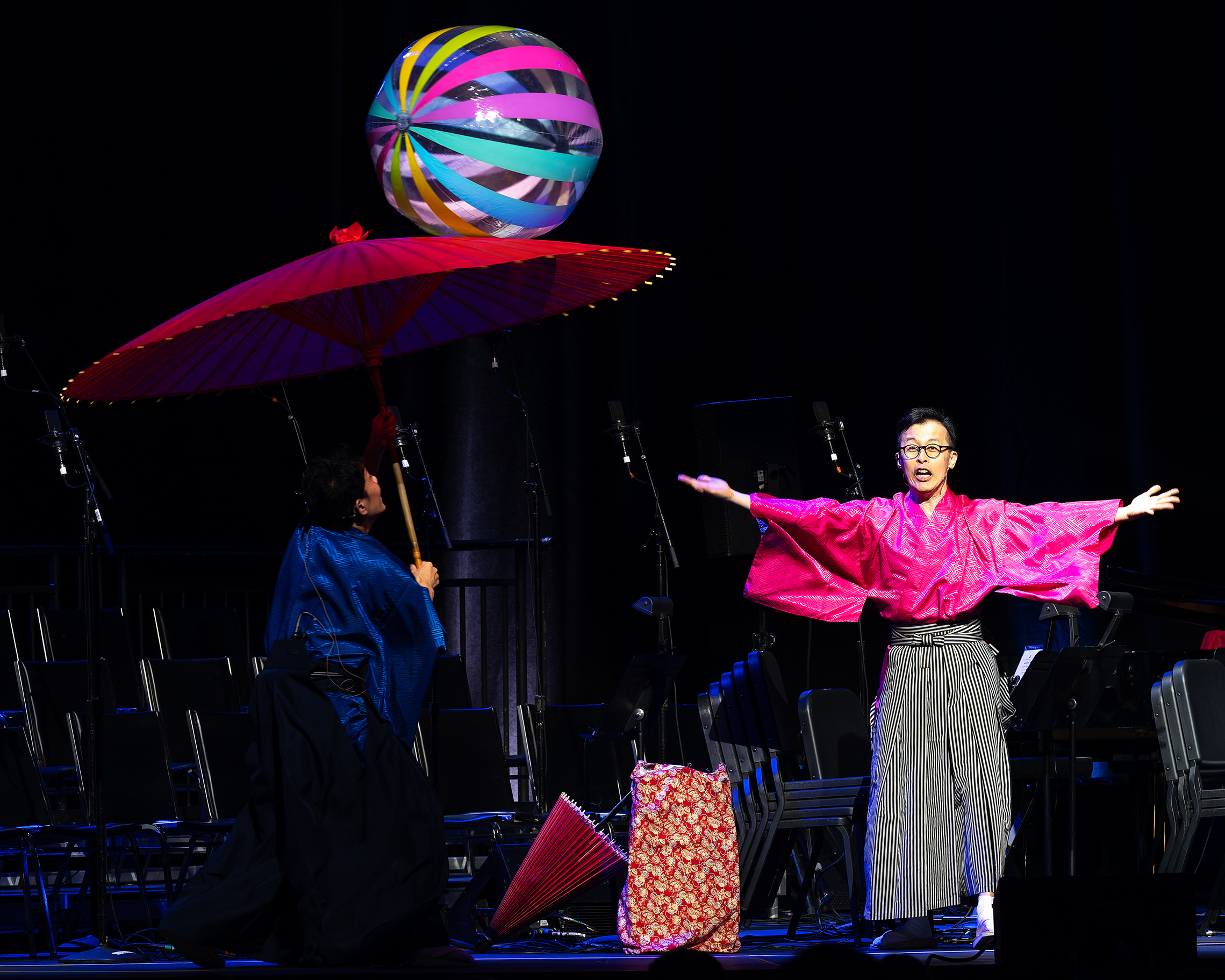
The Masquerade continued as the headline cosplay stage event, pairing costumes with performance and presentation. Otakon’s Hall Costume Contest complemented it with a focus on craftsmanship—construction, styling, props, materials and the painstaking work audiences do not always see in a finished photograph. Contestants could participate in both, letting builders receive detailed consideration for their work while also appearing in the Masquerade fashion presentation.
The AMV Contest remained another core tradition. Anime music videos are fan-made edits that transform footage, music and timing into original short-form works. Otakon’s contest selected finalists across action, drama, upbeat/dance, romance, comedy/parody, trailer/commercial and shorts categories, with awards including Best in Show, Judges’ Choice and an audience-voted honor.
Elsewhere, the convention’s familiar anchors returned: Artist Alley, the Dealers Room, Art Show, tabletop and video gaming, panels, workshops, LARP programming, dance events, cosplay resources, Maid Cafe programming, fashion programming and the Manga Library. These are not filler between marquee events. They are the structure that allows Otakon to serve longtime attendees, first-time visitors and highly specialized communities at the same time.
Fashion, Craft and Community Took Center Stage
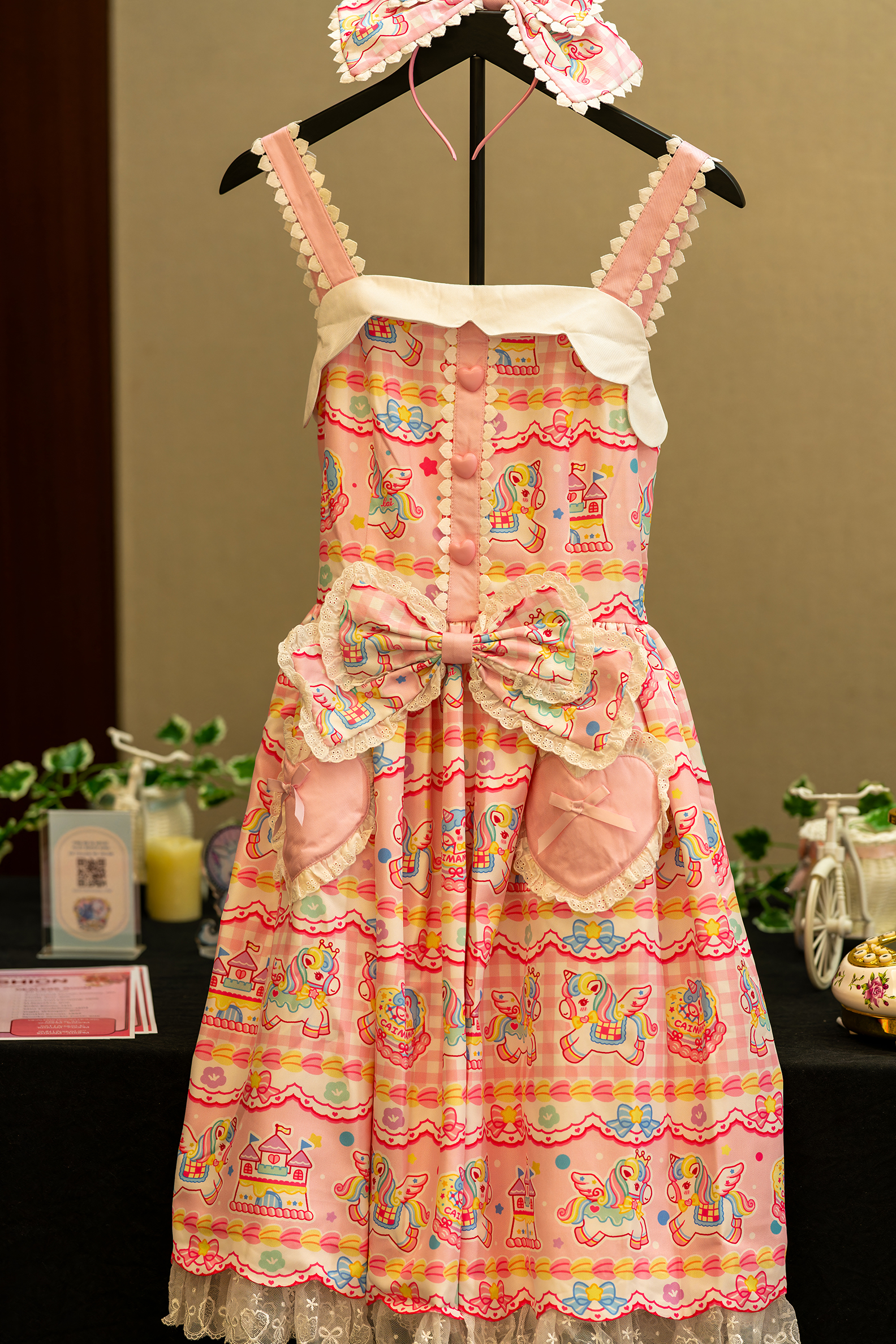
The Fashion District again gave Japanese street-fashion communities a dedicated gathering place. Its programming included the J-Fashion Show and Tea Party, with a focus on styles ranging from Lolita fashion to other Japanese street-fashion traditions.
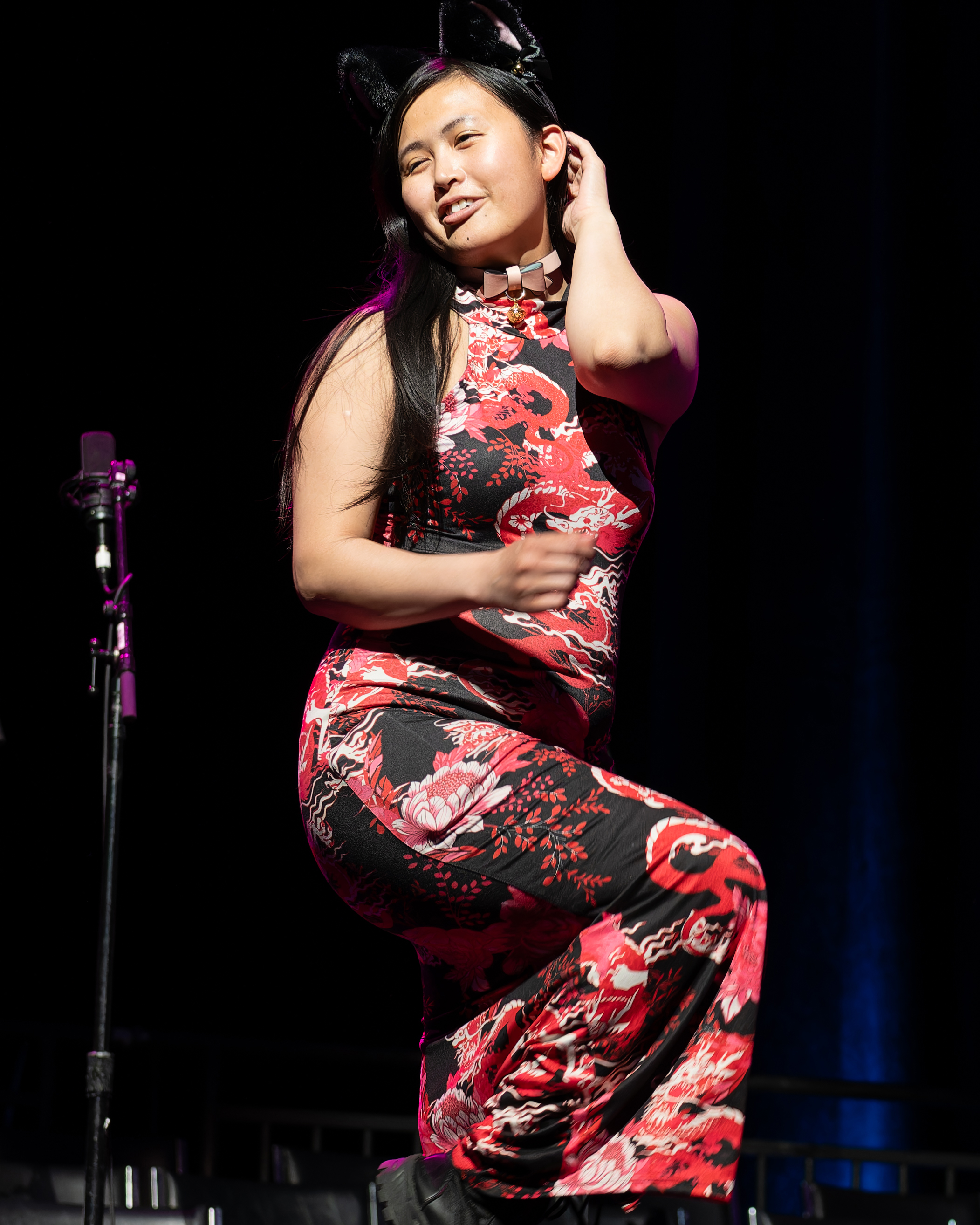
That attention to fashion is one reason Otakon photographs so well, but it also reflects something more meaningful. Convention clothing is not merely costume. For many attendees, it is design work, personal expression, social language and a form of belonging. The most memorable Otakon images are often not from a main-stage event; they are the spontaneous portraits in hotel lobbies, outside the convention center and along Mount Vernon Place.
The workshops and featured-presenter lineup reinforced that same creative ethos. Programs such as the Cosplayin’ Yogis, the Shoestring Scientists and audience-participation panels made room for skills, self-care and connection alongside entertainment.
What the Record Does—and Does Not—Say
A record attendance count is a clear sign of demand. Otakon’s 47,049 reported memberships show that the convention’s audience is expanding and that its mix of anime, gaming, music, cosplay and Asian popular culture continues to resonate in the Washington region.
It is not, however, a substitute for a formal attendee-satisfaction study. Otakorp had not published a comprehensive 2026 post-event survey or independent review score at the time of publication. The most defensible assessment is therefore straightforward: Otakon 2026 succeeded in drawing a record-sized community and presenting a broader, more varied program than a conventional fan gathering—but individual experiences inevitably depended on schedules, crowds, accessibility needs and personal interests.
That is not a weakness. It is the reality of an event this large. Otakon works best when attendees treat it as a choose-your-own-adventure weekend rather than an attempt to see everything.
“For one weekend, downtown Washington became a moving gallery of imagination.”Discover DC Now
Final Word
Otakon 2026 did not need to prove that anime and gaming culture belong in Washington. That question was settled years ago. This year’s record turnout showed something more useful: the community is still growing, still making things, still finding new forms of performance and still willing to gather in person for the joy of shared enthusiasm.
The convention will return to the Walter E. Washington Convention Center August 6–8, 2027, with a “Summerween” theme. For now, Otakon 2026 leaves behind the image that matters most: downtown DC briefly transformed into a place where creative fandom was not on the margins—it was the main event.