Long before the first full day of the Great American State Fair, the National Mall was already glowing with the colors of the country it had gathered to celebrate.
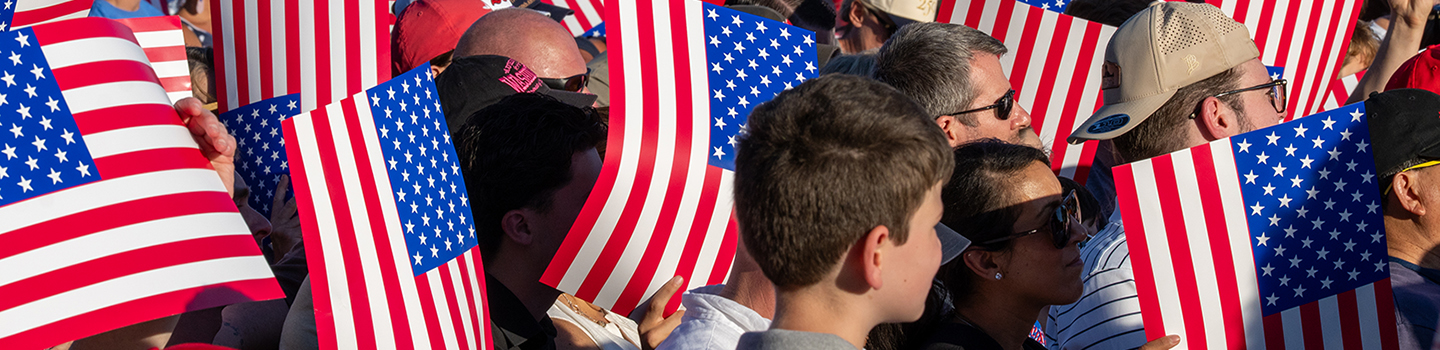
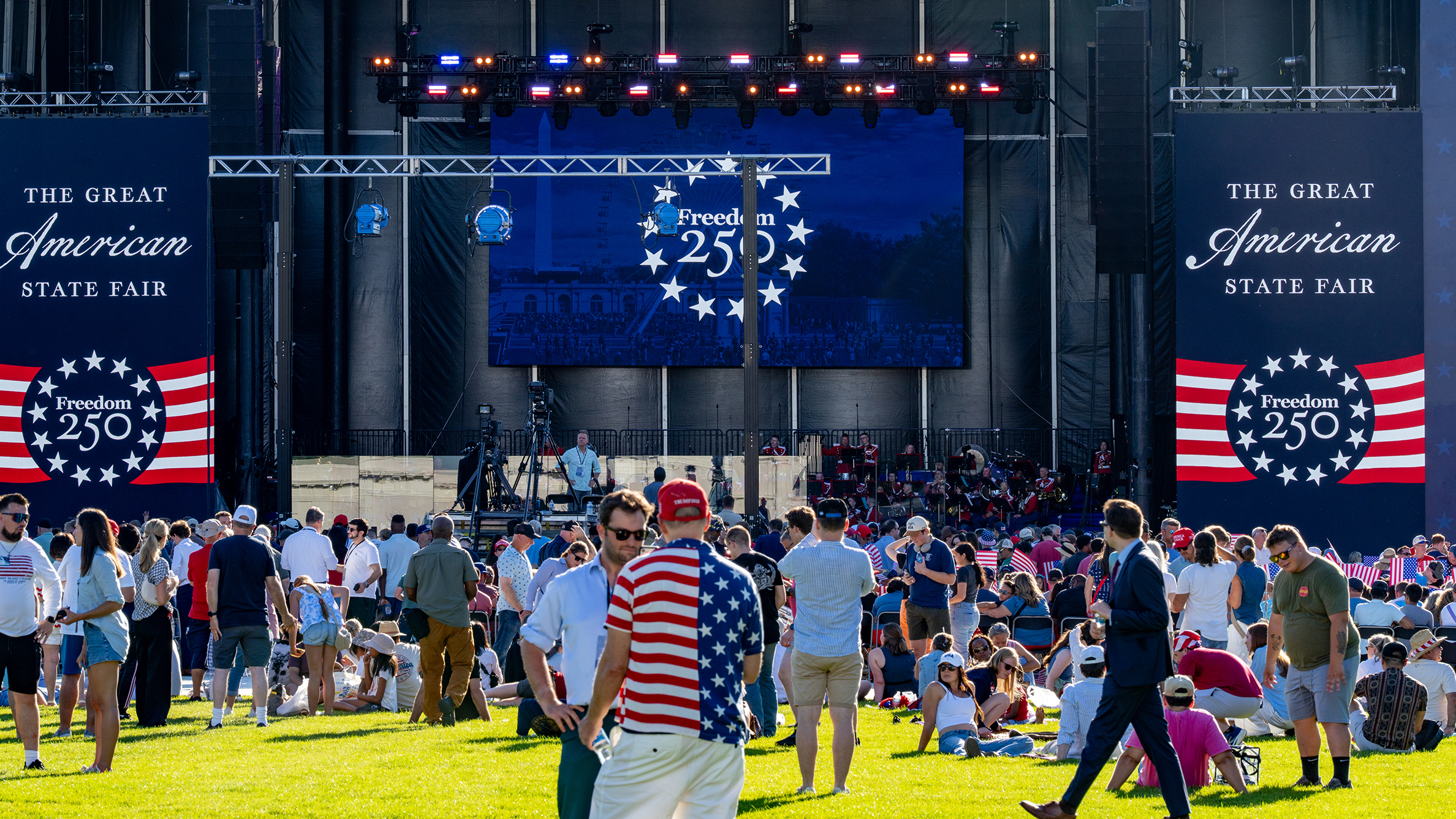
On the evening of June 24, spectators filled the lawn near the fair’s Main Stage for a patriotic kickoff celebration marking the arrival of one of Washington’s most ambitious events of the summer. Many came dressed in red, white and blue, while others wore stars-and-stripes shirts, patriotic hats and flag-themed accessories. Throughout the crowd, attendees held small cardboard American flags that rose above their heads in waves as the program unfolded.
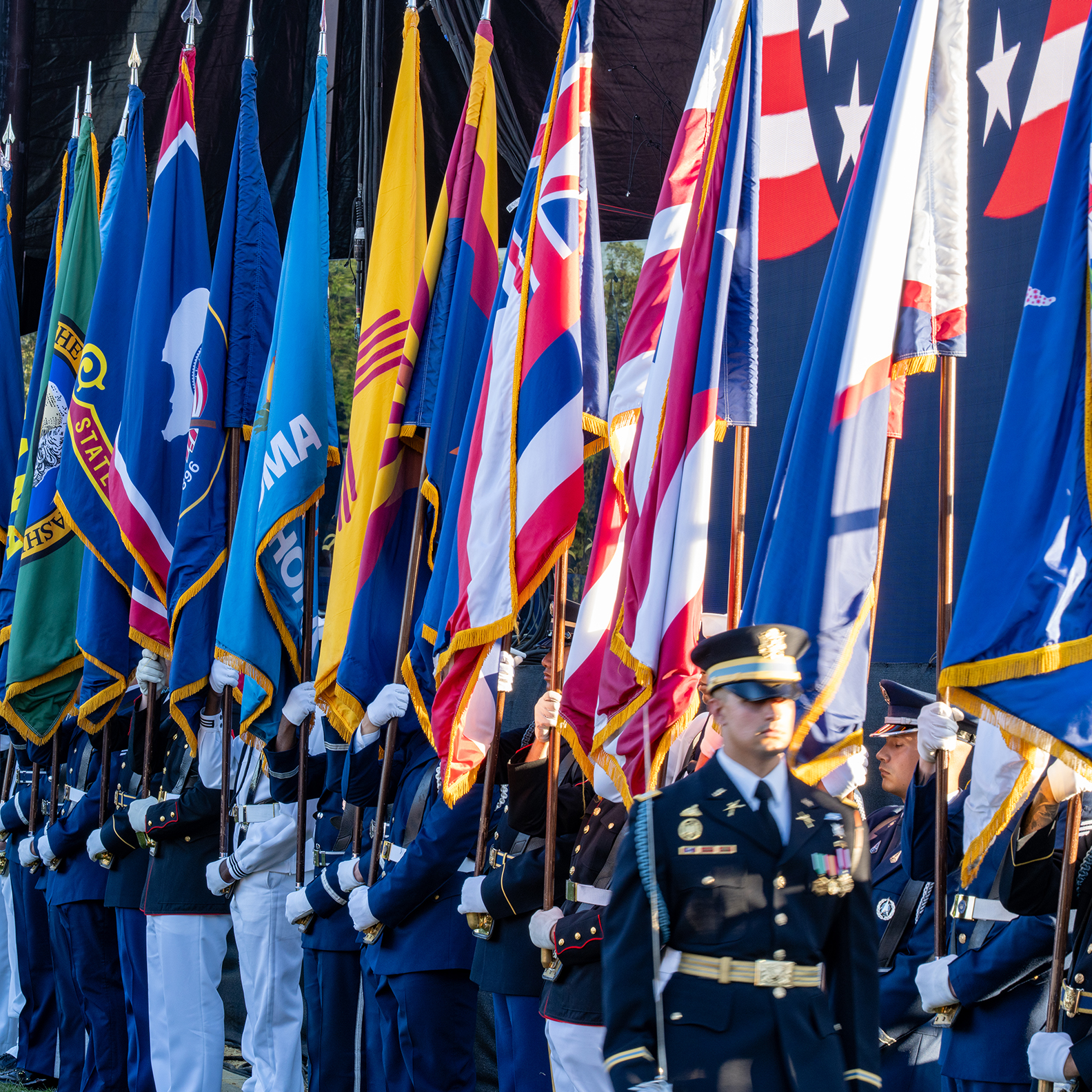
The program included ceremonial presentations, military flyovers, Armed Forces choirs, “The President’s Own” United States Marine Band, the U.S. Army Band “Pershing’s Own,” the U.S. Army Band “Downrange,” and musical appearances by Lee Greenwood and tenor Christopher Macchio. President Donald Trump delivered the headline remarks formally opening the fair.
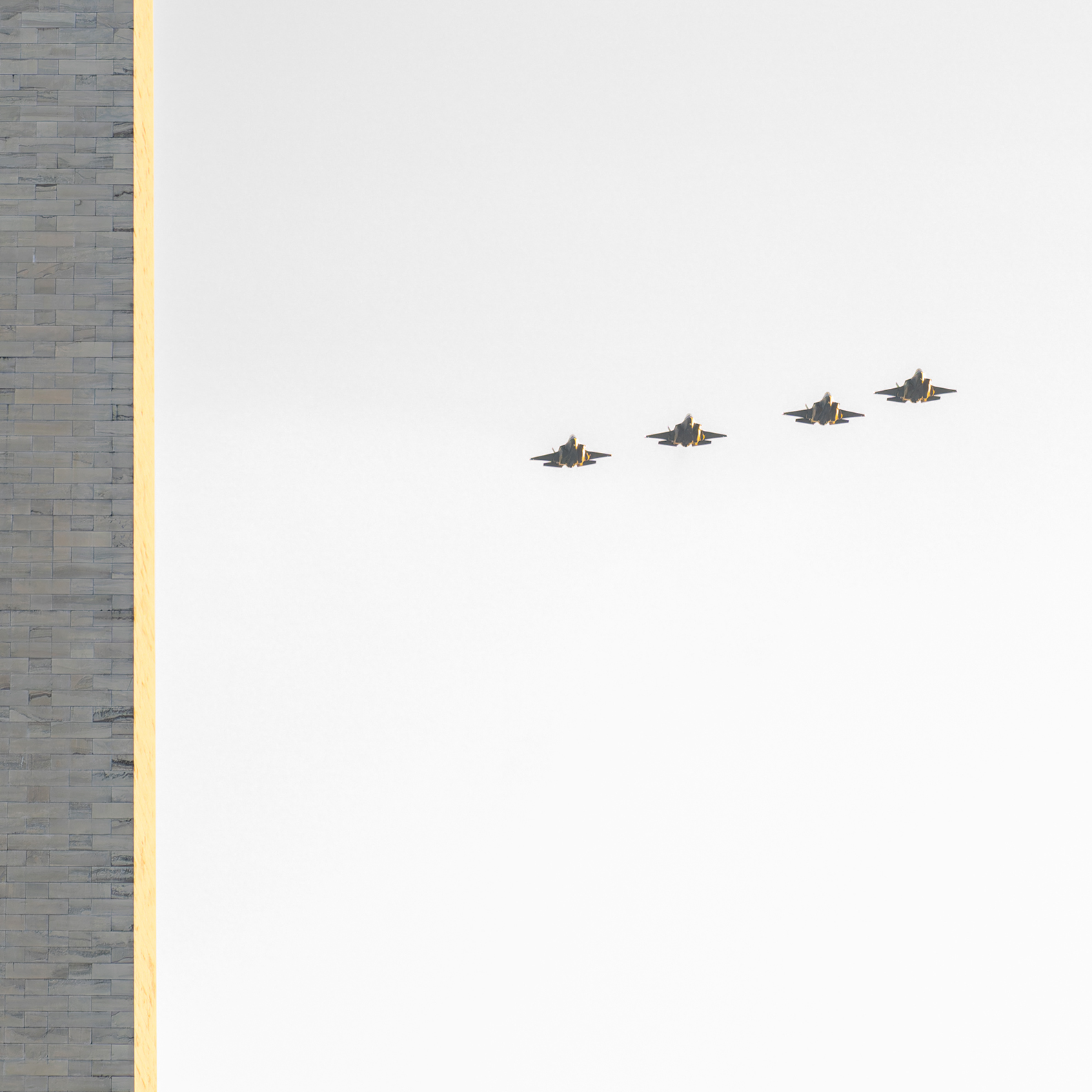
Military aircraft crossed the Washington sky. Bands performed patriotic selections. Voices from the Armed Forces joined in song. Onstage, ceremonial moments introduced a celebration designed to honor the people, traditions, industries and ideas that have shaped the United States over 250 years.
Through July 10, the National Mall between 4th and 14th streets is serving as a national fairground filled with more than 150 exhibits, state and territory presentations, industry displays, live entertainment, cultural programming, food vendors, family activities, movie screenings, military ensembles and an enormous Ferris wheel rising above the Mall. Admission to the fair is free.
The kickoff offered a preview of what the fair would become the next morning: a celebration built not only around scheduled attractions, but around participation.
“The spectators were not merely watching the kickoff; dressed in patriotic colors and waving flags, they became part of its visual identity.”
The National Mall Becomes a Fairground
A Familiar Landscape, Completely Reimagined
Washington residents know the National Mall as a place of museums, monuments and long stretches of open lawn. During the Great American State Fair, that familiar landscape has been transformed by pavilions, performance spaces, food stands, exhibitions, signs, temporary structures and fairground attractions.
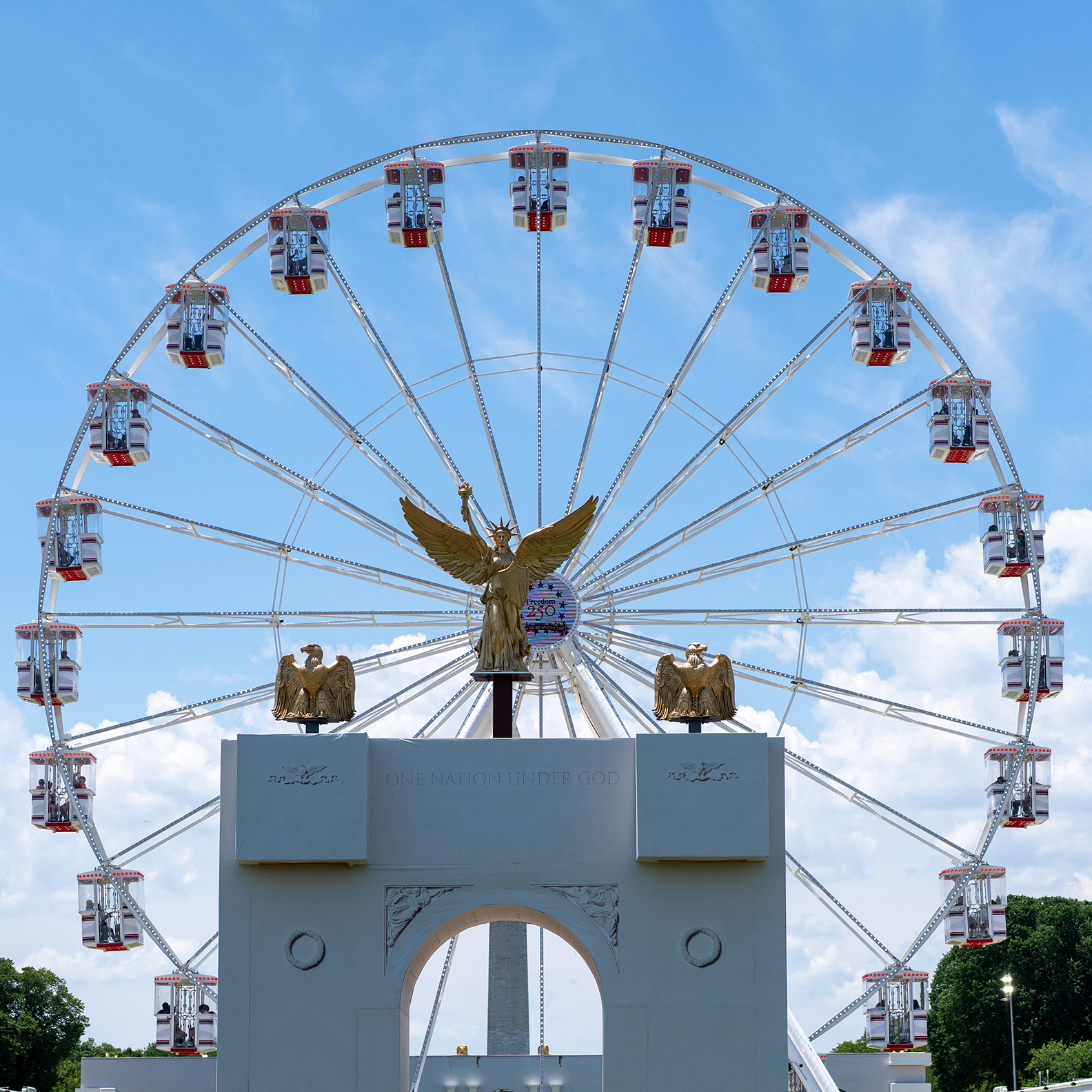
The most visible addition is the large Ferris wheel overlooking the grounds. Its circular frame creates an unmistakable new feature in the Mall’s skyline. From the ground, it acts as a visual anchor for visitors navigating the fair. From its passenger cars, riders can look across the fairgrounds toward the monuments, museums and federal buildings that define central Washington.
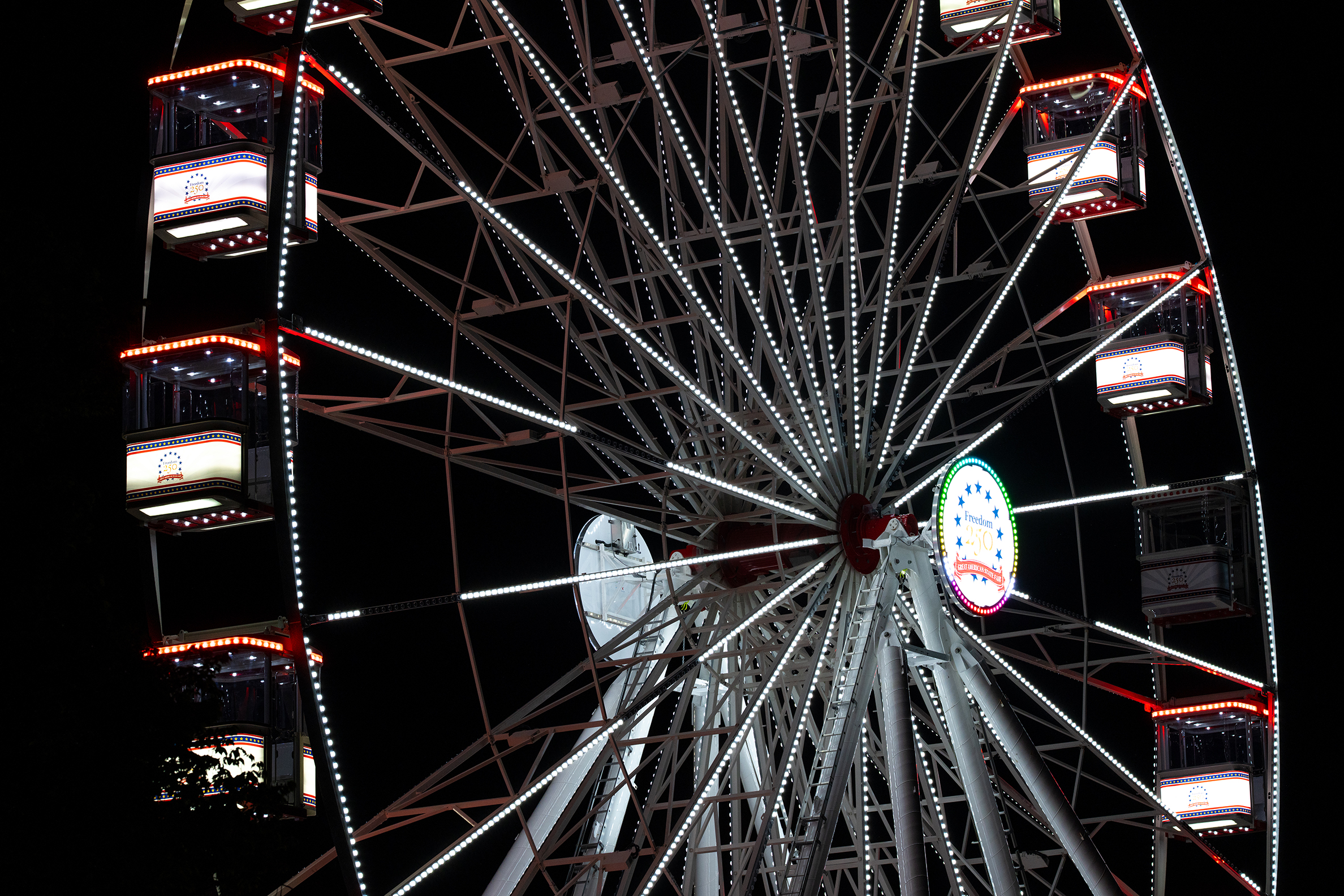
The view captures what makes this event unusual. Traditional fair attractions sit alongside Smithsonian institutions. Western riders and horses perform within the nation’s monumental core. Agricultural exhibitions, technological demonstrations and regional showcases occupy a landscape normally associated with national ceremonies.
The combination gives the event a sense of discovery even for people who regularly visit the Mall.
Fifty States, Six Territories and One National Showcase
Exploring America Pavilion by Pavilion
At the heart of the Great American State Fair is the opportunity to encounter all 50 states and six U.S. territories in one national exhibition.
Each state and territory has its own pavilion, which may include exhibits, demonstrations, performances, food offerings and other attractions. The pavilions are designed to highlight the unique culture, history and contributions of each region. Visitors can explore the diversity of the United States without leaving the National Mall.
The fair also includes exhibitions from federal agencies, museums, universities, nonprofit organizations, businesses and innovators. The announced lineup covers subjects ranging from transportation, manufacturing and agriculture to healthcare, aerospace, artificial intelligence, robotics, energy and space exploration.
Visitors can therefore move quickly between very different versions of the American story.
One pavilion may focus on land, farming and natural resources. Another may spotlight advanced technology. A nearby exhibit may examine military service, entrepreneurship, education or the arts. Together, the displays connect the country’s regional heritage with industries and ideas likely to influence its future.
For many visitors, the fair is a chance to explore parts of the country they have never seen. For others, it is an opportunity to revisit familiar places and traditions in a new context. The combination of discovery and nostalgia creates a sense of national pride and shared identity.
“For 16 days, the National Mall has become something Washington has never quite seen before: a national fairground.”
Rodeo 250 Brings the American West to Washington
Horsemanship, Heritage and High-Energy Arena Entertainment
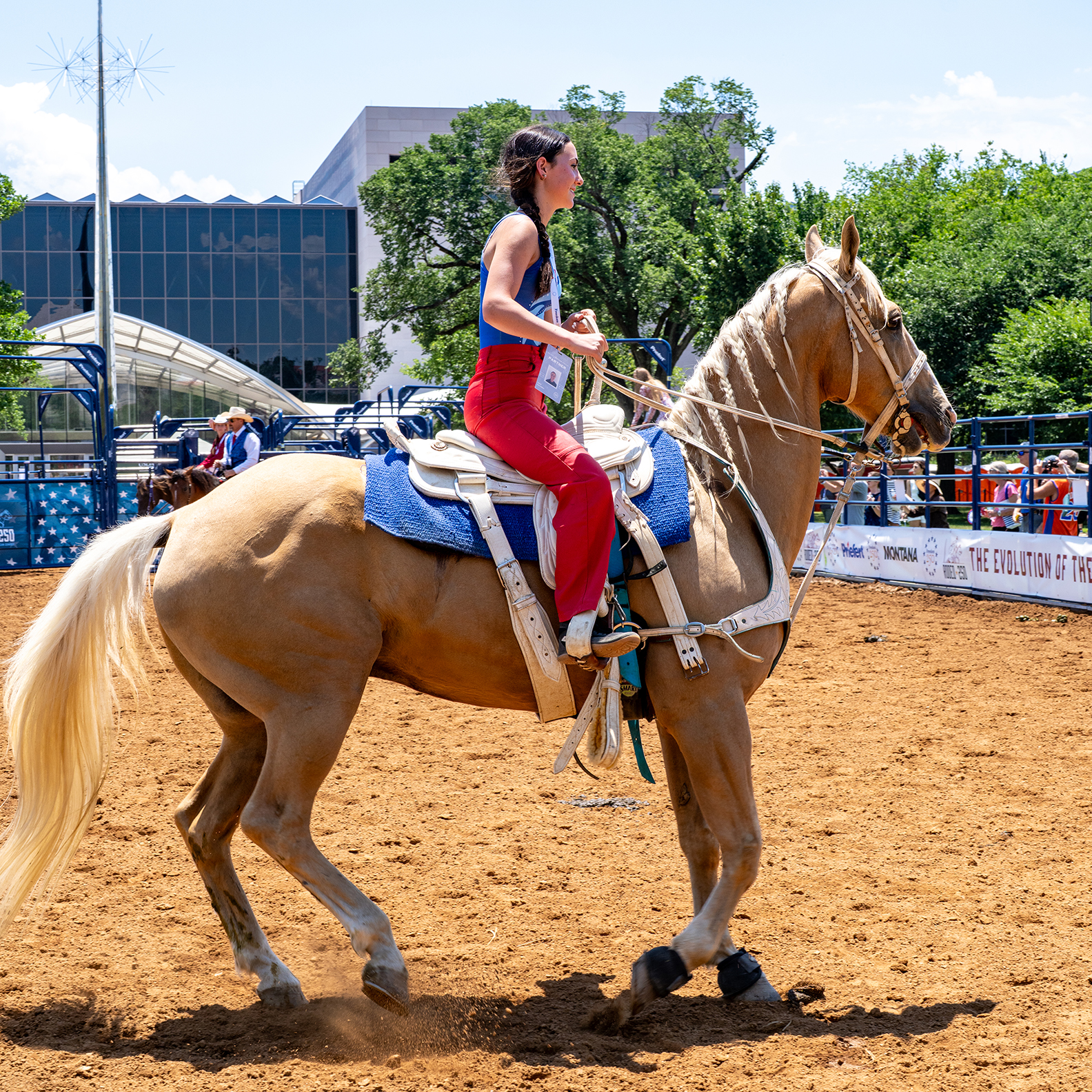
One of the fair’s signature attractions is Rodeo 250: The Evolution of the American Cowboy, presented daily at the American Heartland Arena.
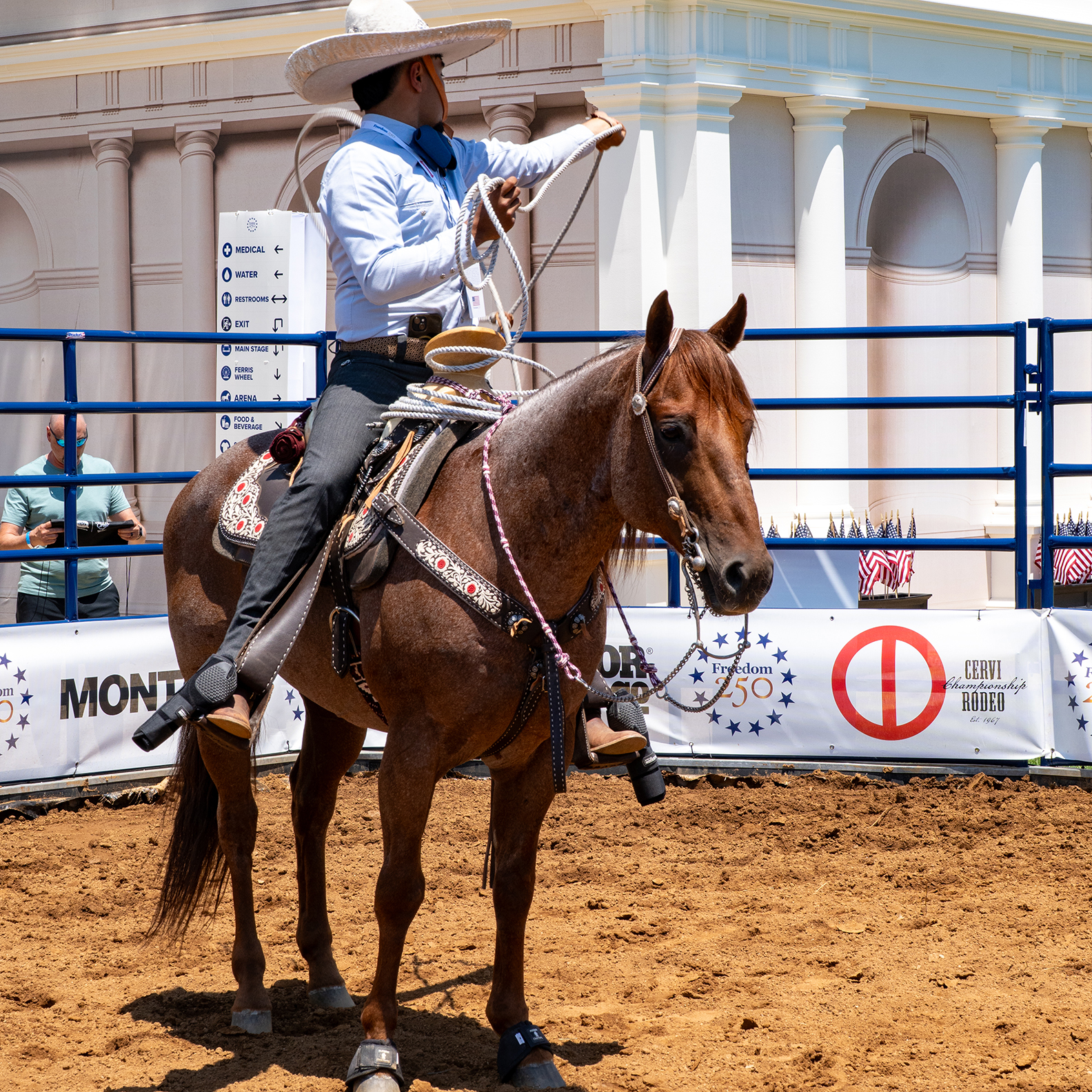
Produced by Cervi Rodeo Company, Rodeo 250 uses live horsemanship, music, storytelling and arena demonstrations to trace traditions connected to the American West. The production features precision riding, traditional Mexican charro presentations, liberty-horse exhibitions, Western entertainment and skills passed down through generations of riders and performers.
This is not simply a competitive rodeo transplanted onto the National Mall. The show is structured as a journey through cowboy culture and Western performance.
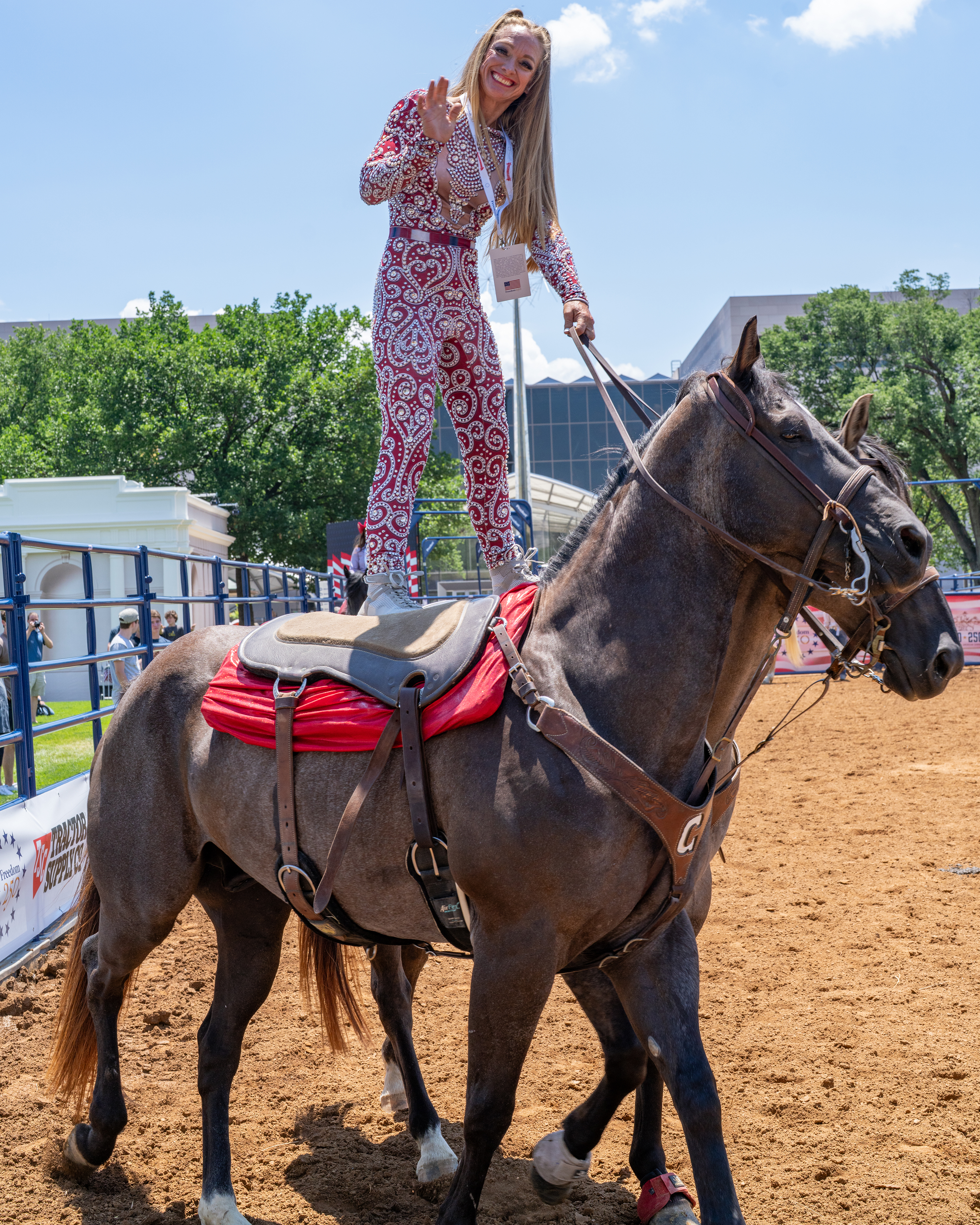
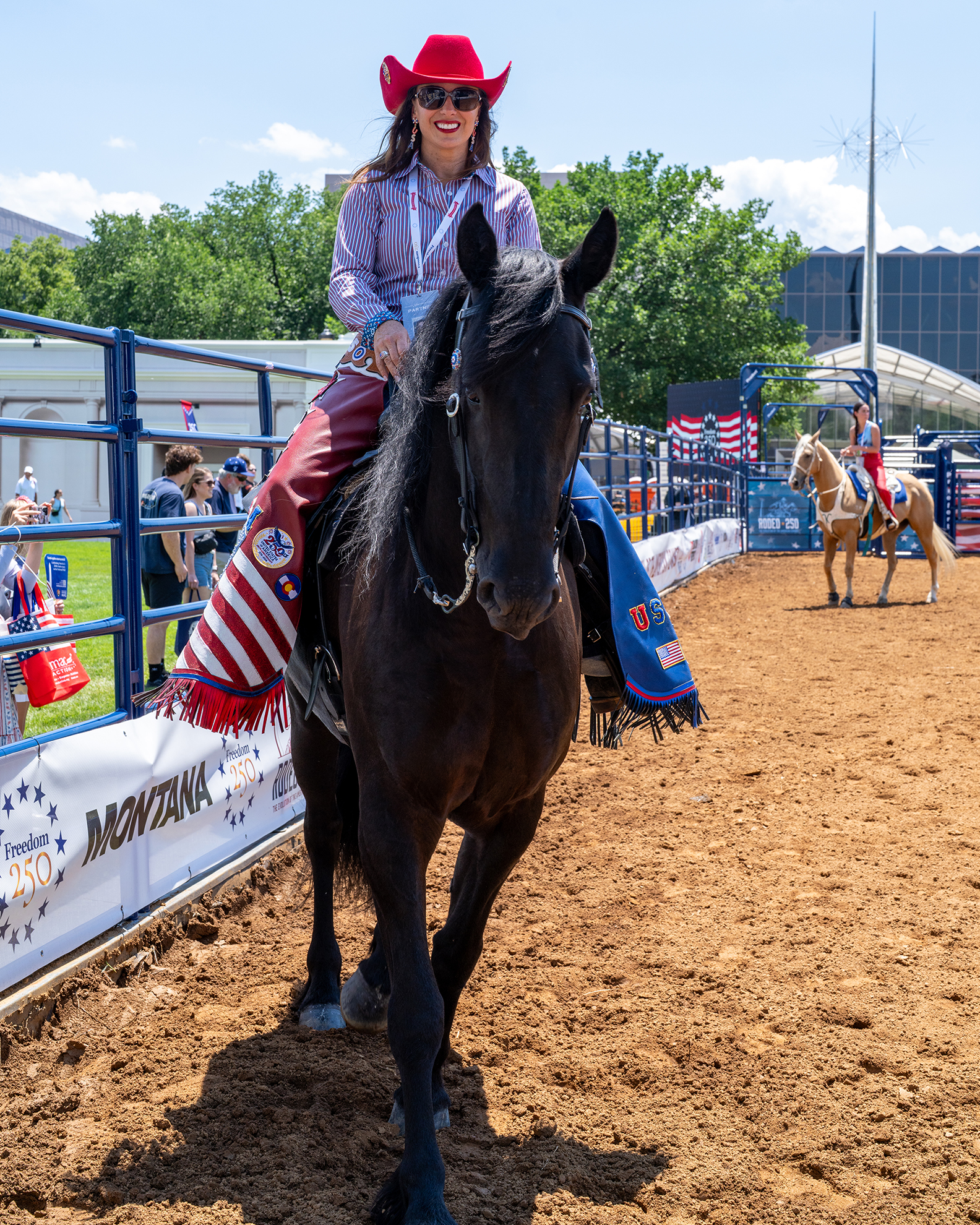
Trick riders race through the arena while performing athletic maneuvers from horseback. Roman riding places performers upright across moving horses. Roping demonstrations highlight timing, accuracy and coordination. Liberty-horse presentations reveal the close communication possible between a trainer and a horse working without the usual visible restraints.
The performers bring individual specialties to the production. Olivia Jones combines trick riding with trick roping. Kate Davidson performs Roman riding and traditional trick riding, while Ruia Merritt presents a liberty-horse act centered on timing, partnership and showmanship.
For younger visitors, the horses provide an immediate point of connection. For equestrian enthusiasts, the attraction offers an opportunity to see several disciplines and Western performance traditions within one production.
Rodeo 250 is scheduled for 7 p.m. Sunday through Wednesday and 4 p.m. Thursday through Saturday, with a special 3 p.m. performance on July 4. Entry is included with free admission to the fair.
Sixteen Days of Changing Themes
A Different Focus Each Day
The Great American State Fair is not repeating the same program for 16 consecutive days. Each date carries a central theme that guides portions of the programming.
Opening Day on June 25 was titled The American Canon. It was followed by Land & Prosperity, The American Canvas, Military & Veterans Appreciation Day, Everyday Health and Well Being, and Future of America: Innovation, Technology & Progress.
Upcoming themes include:
- July 1: Faith, Values and Inspiration
- July 2: Horsepower of America
- July 3: Wings of Freedom
- July 4: Salute to America Celebration
- July 5: Heritage & Legacy
- July 6: Longevity, Innovation and the Future of Health
- July 7: Future of America: Education and Opportunity
- July 8: Family Life and Community Support
- July 9: Engines of Enterprise
- July 10: The Next 250: Innovation
These changing themes give visitors a reason to consult the daily program before selecting a date. Someone interested in aircraft and aviation may prefer Wings of Freedom, while car and machinery enthusiasts may be drawn to Horsepower of America. Families may find July 8 especially relevant, while visitors interested in new technology may choose June 30 or July 10.
Salute to America is the capstone of America’s 250th anniversary, bringing hundreds of thousands of visitors to the Washington Monument grounds and surrounding areas for a full day of performances, flyovers, first-time aerobatic demonstrations over DC, and a live broadcast evening program—culminating with the largest fireworks display in history (850,000 fireworks shells launched from 10 sites: Lincoln Memorial Reflecting Pool, 8 Potomac River barges, and West Potomac Park).

Final Word
The Great American State Fair has given Washington a temporary landmark and an entirely new way to experience the National Mall.
It began with aircraft overhead, military music from the stage and a crowd dressed for the occasion. Red, white and blue filled the lawn. For an evening, the spectators themselves became one of the celebration’s most memorable sights.
The next morning, the ceremony expanded into a national fairground.
Now visitors can ride above the Mall on a Ferris wheel, watch Western horsemanship at Rodeo 250, sample fair food, explore state and territory exhibits, encounter American technology and hear music within sight of the nation’s monuments.
The fair’s greatest strength is its range. It does not ask every visitor to experience America in exactly the same way. Families can follow the attractions. History enthusiasts can explore heritage displays. Equestrian fans can head directly to the arena. Food lovers can build a route from one vendor to the next. Children can ride, watch, taste and discover.
Together, those experiences create a broad celebration of American life—rooted in history, filled with regional character and looking toward the next 250 years.