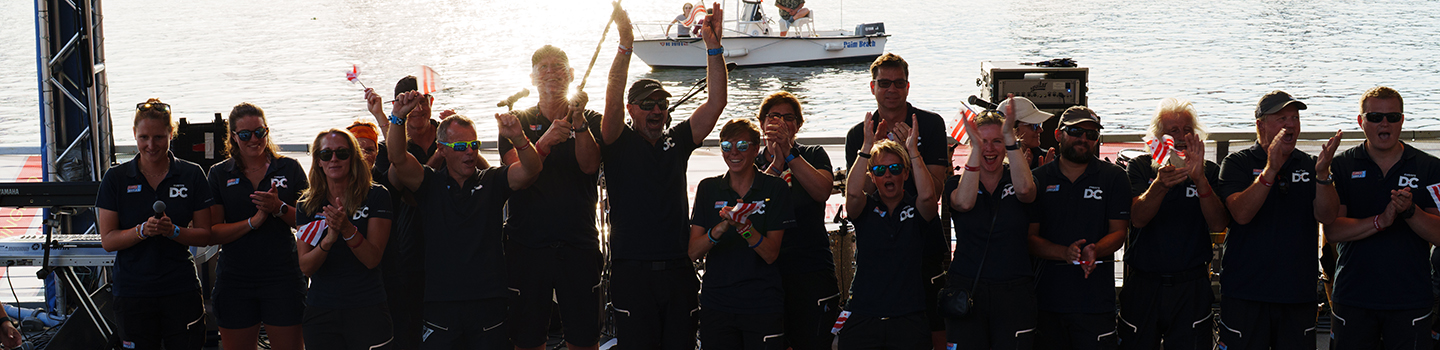
There are moments when Washington, DC feels less like a city of monuments and more like a city of arrivals. Planes descend over the Potomac. Trains pull into Union Station. Motorcades move with practiced precision. But when the Clipper Round the World Yacht Race comes into The Wharf, the arrival is different. It is slower, saltier, more human. It carries the long fatigue of ocean miles, the drama of sails and weather, and the kind of story that cannot be manufactured by a press release.
The Clipper Round the World Yacht Race is not a polished marina parade dressed up as sport. It is a serious endurance challenge: a race of more than 40,000 nautical miles, sailed by teams aboard 70-foot ocean racing yachts, with crew members drawn from many backgrounds and nations. Some race the full circumnavigation. Others take on selected legs. All of them step into a world where watches, weather, teamwork, sleep deprivation, and the force of the sea decide what matters.
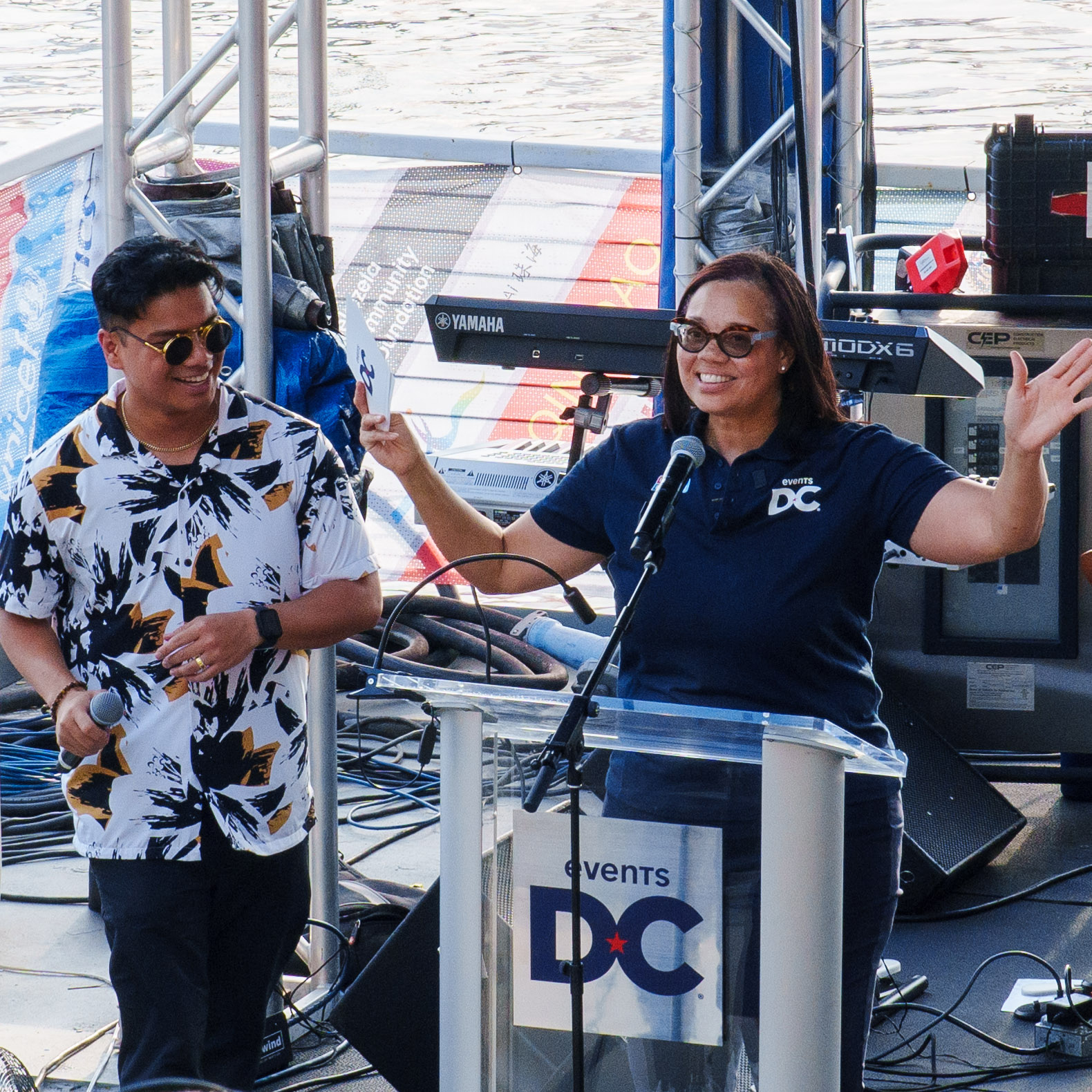
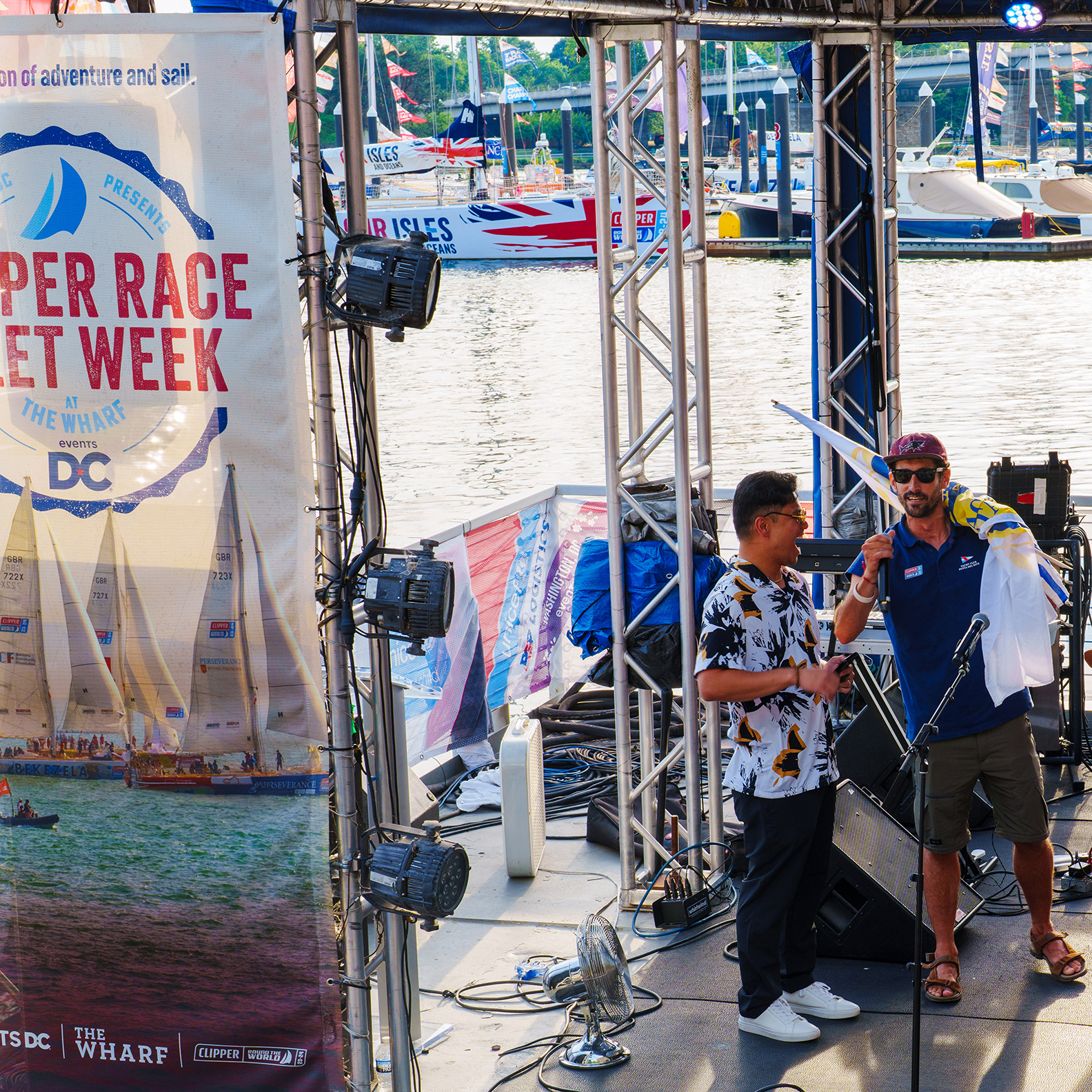
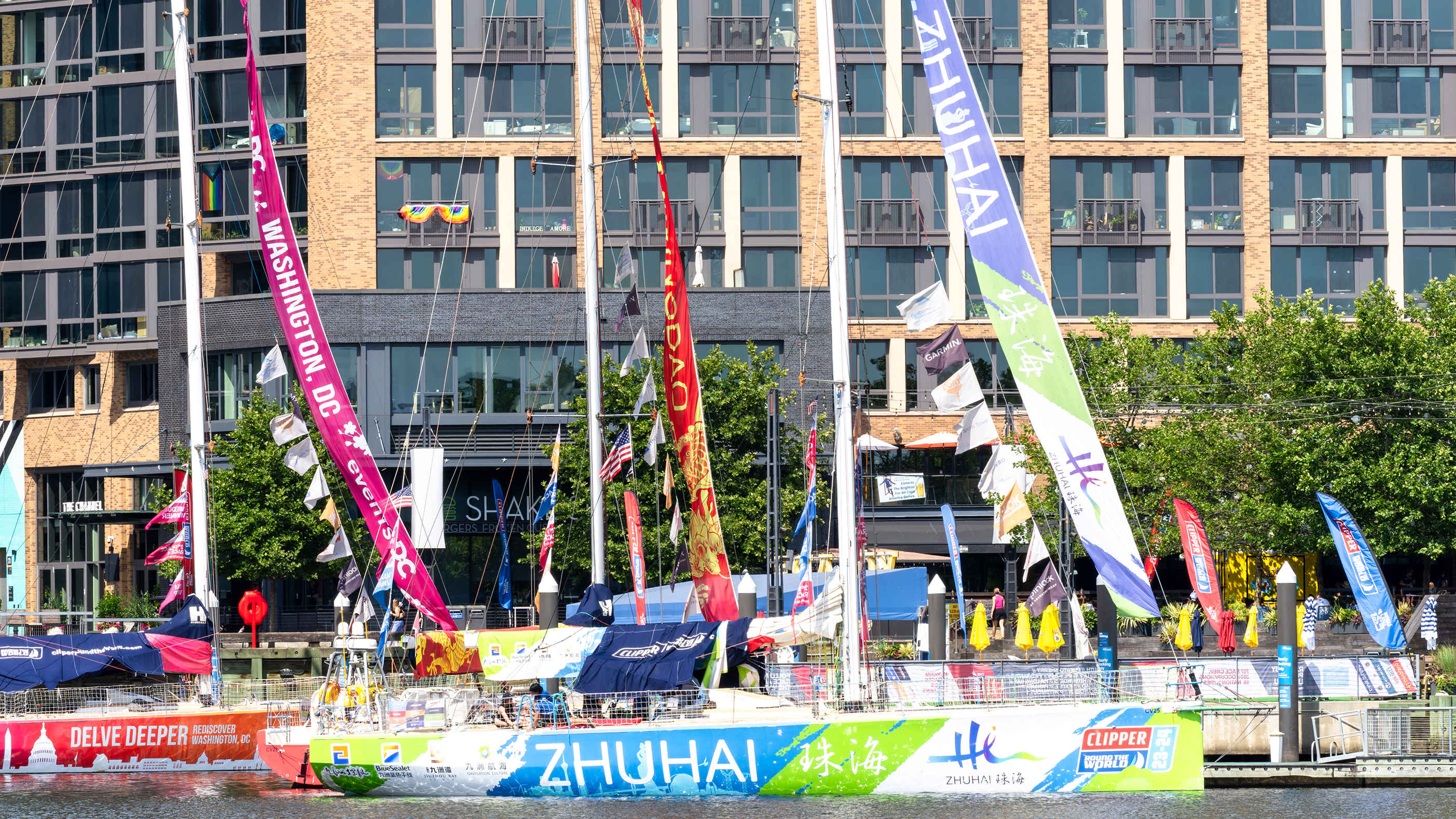
Washington’s role in that story has become more than a spectator’s role. Events DC has returned as both Host Port and Team Sponsor, tying the city’s name to a boat, a crew, and a public waterfront celebration. In 2024, the Clipper Race fleet made its DC debut at The Wharf, bringing 11 Clipper 70 yachts and more than 200 race crew to the capital waterfront. That stopover was not a small footnote. It set a benchmark for public engagement, drew major foot traffic to The Wharf, and gave Washington a new kind of international sports moment: one powered not by stadium lights, but by rigging, tide, and open water.
Now, with the race returning, The Wharf again becomes a meeting point between global adventure and local pride.
The Race: Ordinary People, Extraordinary Conditions
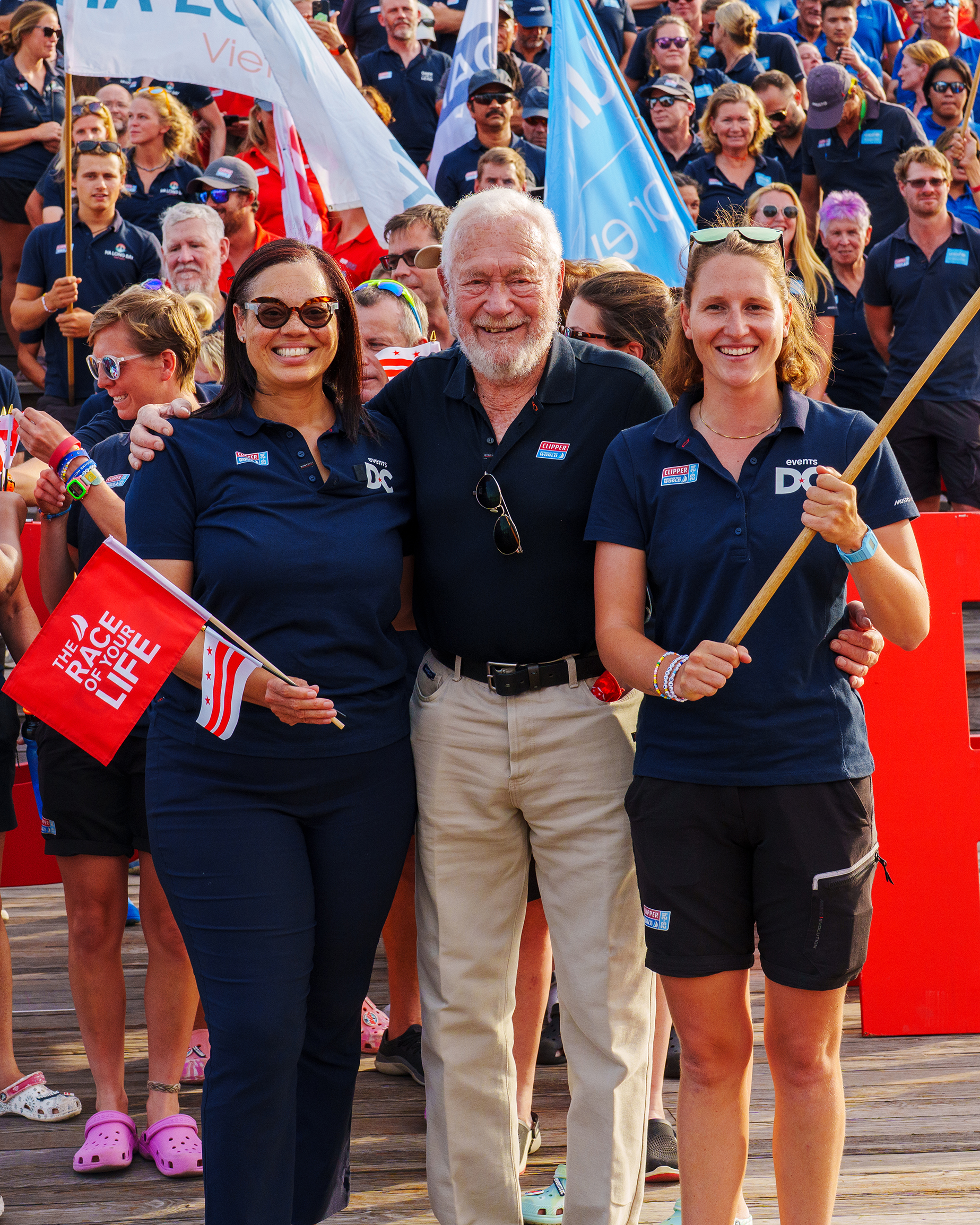
Part of the power of the Clipper Race is its unusual premise. This is not an event reserved only for professional sailors. The race is built around the idea that people from all walks of life can train to become ocean racers. Participants undergo structured training before joining a crew, then sail with professional leadership aboard matched racing yachts.
That single detail changes the emotional weight of the event. When visitors step aboard a Clipper 70 at The Wharf, they are not simply looking at a sleek racing machine. They are looking at a floating workplace, home, classroom, and pressure chamber. This is where crew members sleep in tight quarters, rotate through watches, prepare meals, trim sails, manage exhaustion, and learn what teamwork really means when land is nowhere nearby.
The official race describes the challenge in stark terms: storm-force winds, large waves, heat, cold, electrical storms, waterspouts, and 24-hour racing. The romance of sailing is real, but so is the hardship. That combination is exactly why the race resonates. It is aspirational without being soft. It asks a clean question: what are you willing to endure to become someone different by the end?
“The most powerful part of the stopover is not the size of the yachts. It is the realization that ordinary people trained for something extraordinary and then actually did it.”
The Boats: What Exactly Is a Clipper 70?
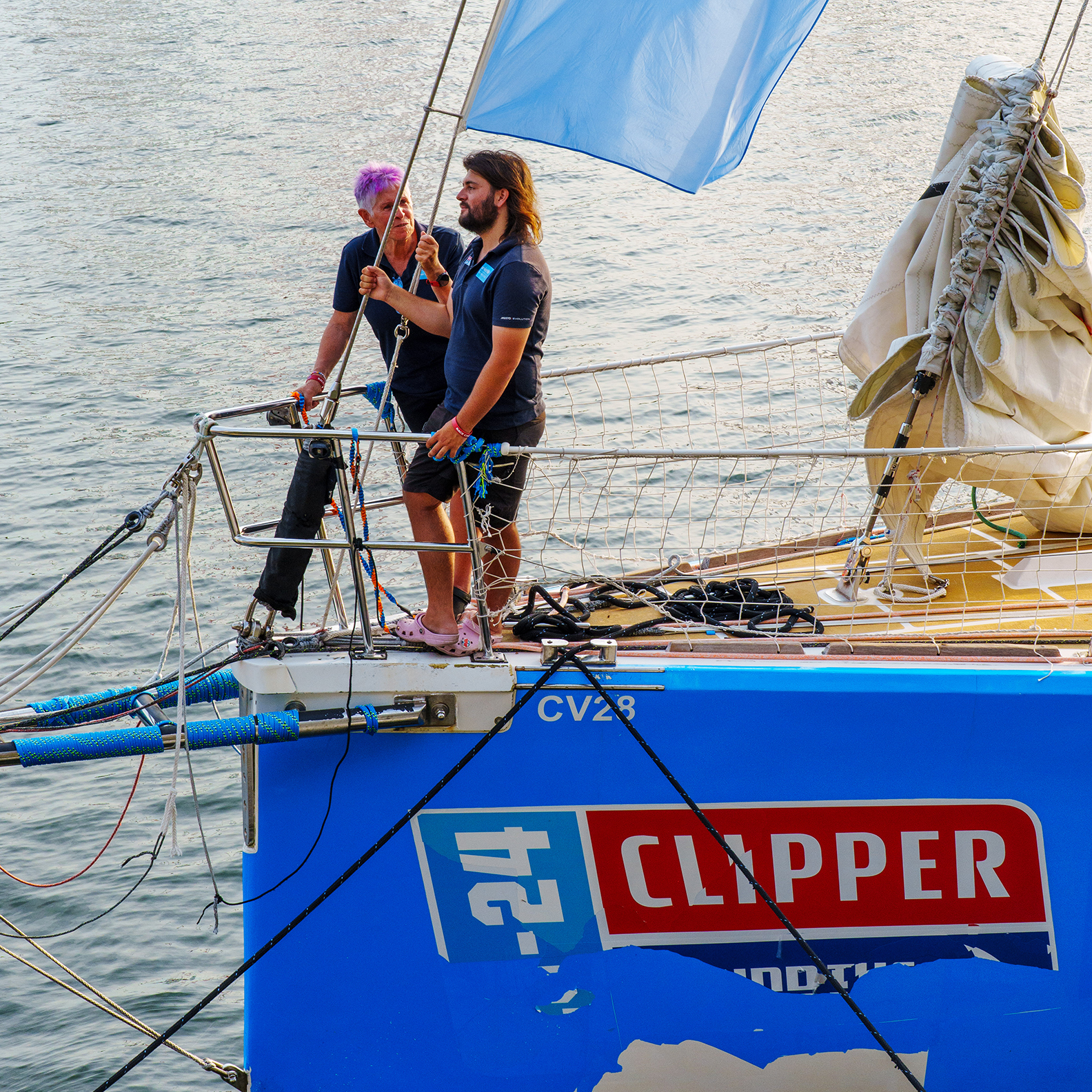
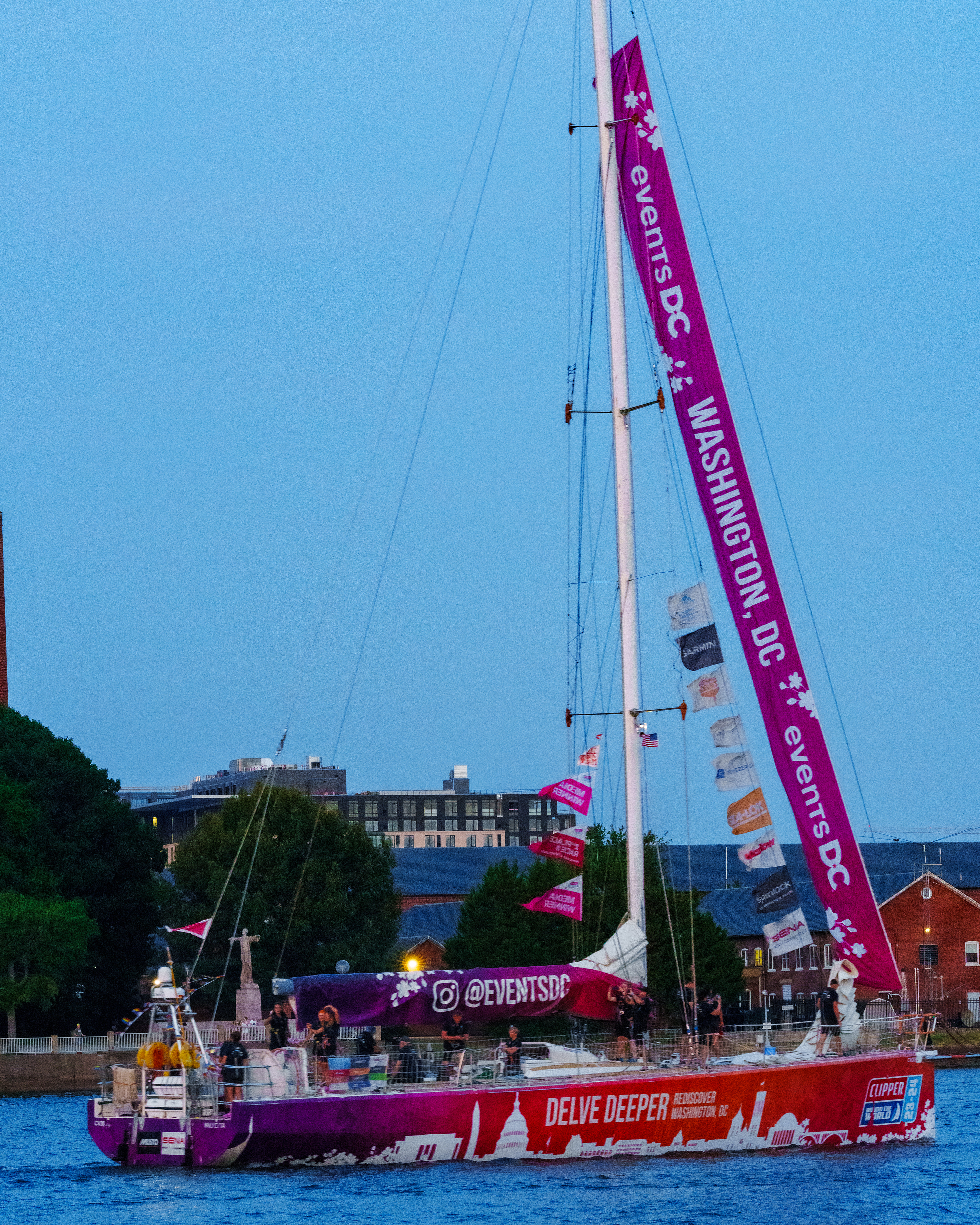
The yachts arriving at The Wharf are not luxury cruisers. They are Clipper 70 ocean racing yachts — stripped-down, high-performance vessels built for endurance, speed, safety, and punishment. Each boat is roughly 75 feet, 6 inches long, with an 18-foot, 6-inch beam, a 9-foot, 10-inch draft, and a 95-foot mast. Their reported sail area is more than 3,100 square feet, with a displacement of about 31,700 kilograms and a bulb keel weighing about 12,000 kilograms. In plain English: these are large, heavy, serious racing machines designed to cross oceans, not entertain guests in comfort.
The Clipper 70s are part of a matched fleet, meaning the yachts are designed to be as equal as possible. That matters because the race is meant to test crew skill, tactics, endurance, weather judgment, and seamanship — not who has the fastest custom-built boat. The design includes twin helms, twin rudders, and a six-foot bowsprit, allowing the yachts to carry large asymmetric spinnakers and a suite of headsails to improve performance across different wind conditions.
Below deck, the mood changes quickly. The boats are intentionally practical and spare. The Clipper Race describes the Clipper 70s as being “stripped of all luxuries,” with race crew learning to live in confined spaces and manage their belongings carefully while the yacht becomes their temporary home at sea. Inside, visitors can expect to see the functional zones that keep a crew moving around the clock: the galley, living space, heads, and navigation station.
Each yacht carries serious sail power. According to the Clipper Race, every Clipper 70 carries 11 high-performance sails, including storm sails for extreme weather, yankees and a staysail for upwind conditions, and three spinnakers for downwind speed. That sail inventory gives the crew options as the boat moves through changing wind, sea state, and weather systems.
The human capacity is just as important as the technical specs. Clipper says up to 22 crew members can be onboard at any time, working under a watch system. Across a full race team, the crew pool is larger, but only a portion is onboard during any one leg. That means the boat is both a racing platform and a tightly packed floating household, where sleep, meals, safety, sail changes, navigation, repairs, and morale all have to function in limited space.
The fleet uses 70-foot ocean racing yachts designed for endurance racing, with compact quarters and functional race equipment rather than luxury interiors.
The Events DC Boat: A City Name at Sea
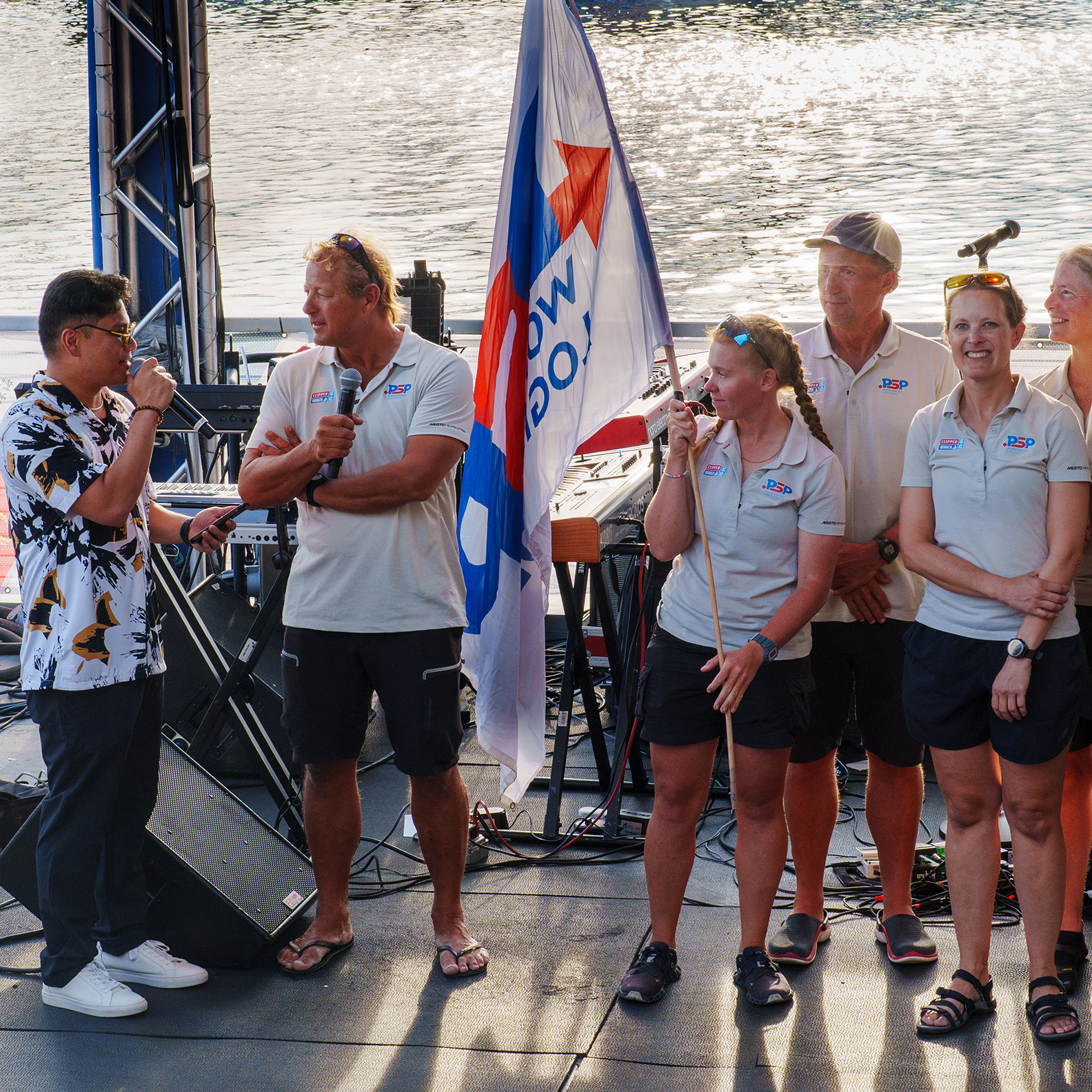
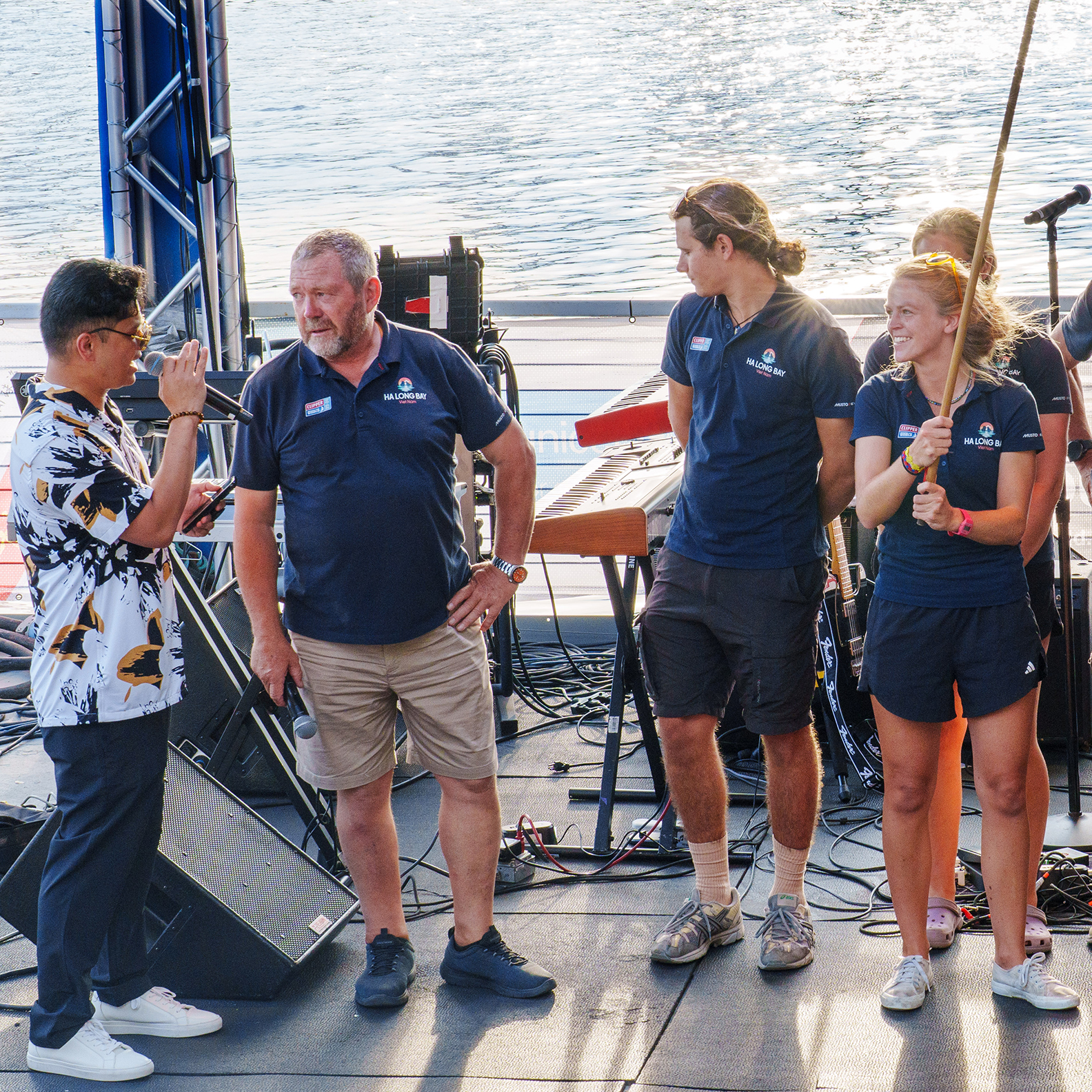
The Washington DC team yacht gives the stopover its emotional center. Events DC’s sponsorship means the city is not merely welcoming the race; it is represented inside it. The boat carries Washington’s name into the wider world, through ports, weather systems, race starts, arrivals, repairs, celebrations, and long ocean passages.
During the 2023–24 edition, the Washington DC boat was skippered by Hannah Brewis, with Ella Hebron serving as First Mate. That leadership pairing became part of the city’s first Clipper Race chapter. In the current 2025–26 edition, Team Washington DC is led by Skipper Ella Hebron, with Faith Nordbruch serving as First Mate. Hebron’s move from First Mate on the previous Washington DC entry to Skipper of the returning team creates a clean narrative arc: a sailor who helped bring the city’s name around the world once now leads the team carrying it forward.
Events DC has framed the partnership as both an international sports opportunity and a city-impact opportunity. After the 2024 stopover, Events DC reported that the visit drove $7.2 million to the area during the ten-day stopover, with more than 228,000 people visiting The Wharf alone. It also reported that the public yacht tours broke a race stopover record, with 2,100 visitors boarding the fleet. Those numbers explain why the race’s return is not just symbolic. It is also economic, civic, and cultural.
A Crew Story with Local Stakes
the most compelling angle is not simply that the boats are large or that the route is long. The real story is that people connected to this region are part of the adventure.
Events DC’s 2025 announcement listed DC and Virginia crew connected to the 2025–26 edition, including participants from Washington, DC, Alexandria, Arlington, Vienna, and Potomac. Some are taking on individual legs. Others are circumnavigators. That range is important because it shows the race at different levels of commitment: a single leg as a life-defining challenge, or the full journey as a complete transformation.
One listed crew member, Christopher Ruotolo of Arlington, first learned about the Clipper Race during the prior stopover at The Wharf. That detail is exactly why public access matters. A waterfront visit can become a recruitment moment. A yacht tour can become a decision. A spectator can become a crew member. The stopover is not only the end of one journey; it can be the beginning of someone else’s.
- $7.2 million: the economic impact of the 10-day 2024 stopover on the local area.
- 228,000: the number of people who visited The Wharf during the ten-day stopover.
- 2,100: the number of visitors who boarded the fleet for public yacht tours.
Departure Day: Crew Parade, Slip Lines, and Parade of Sail
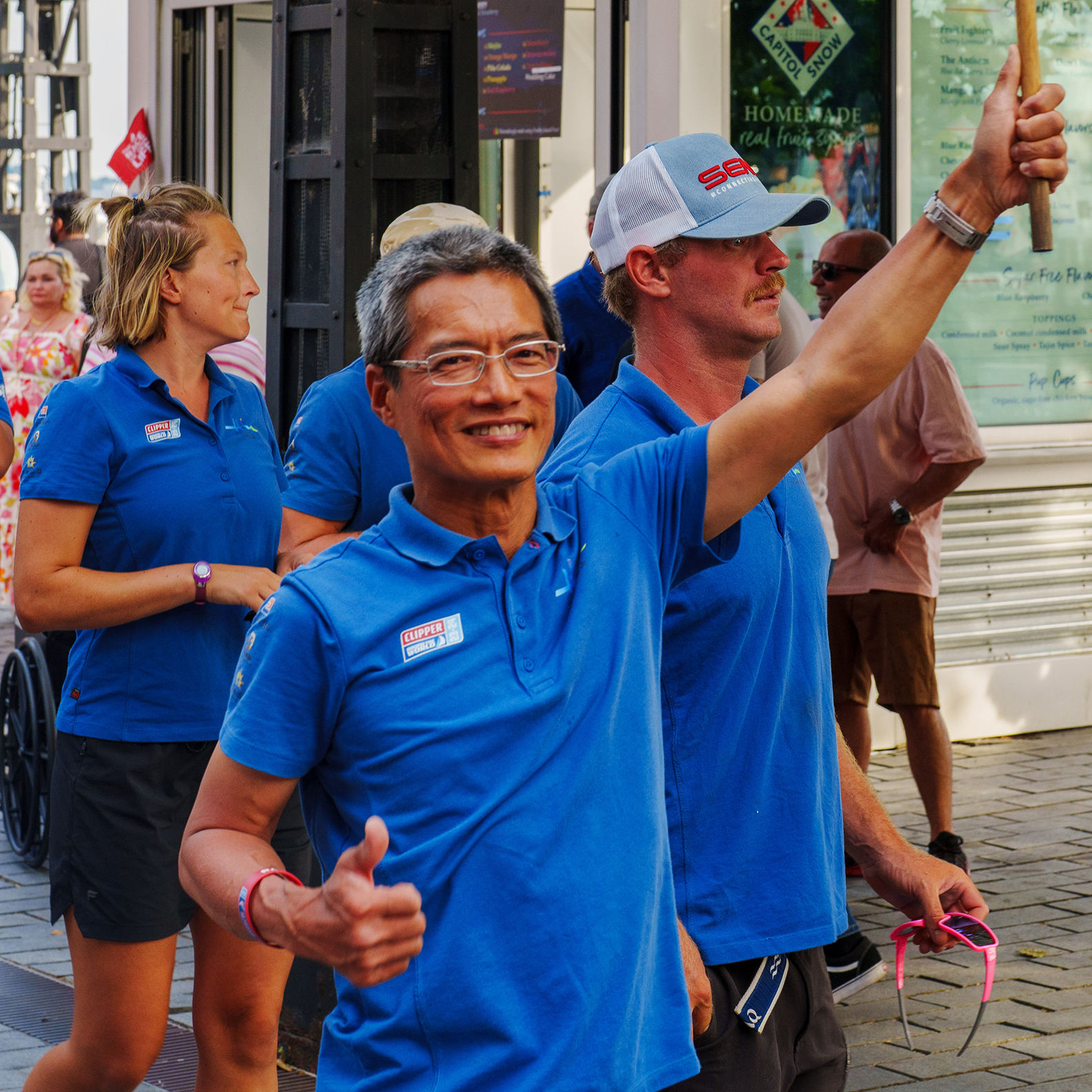
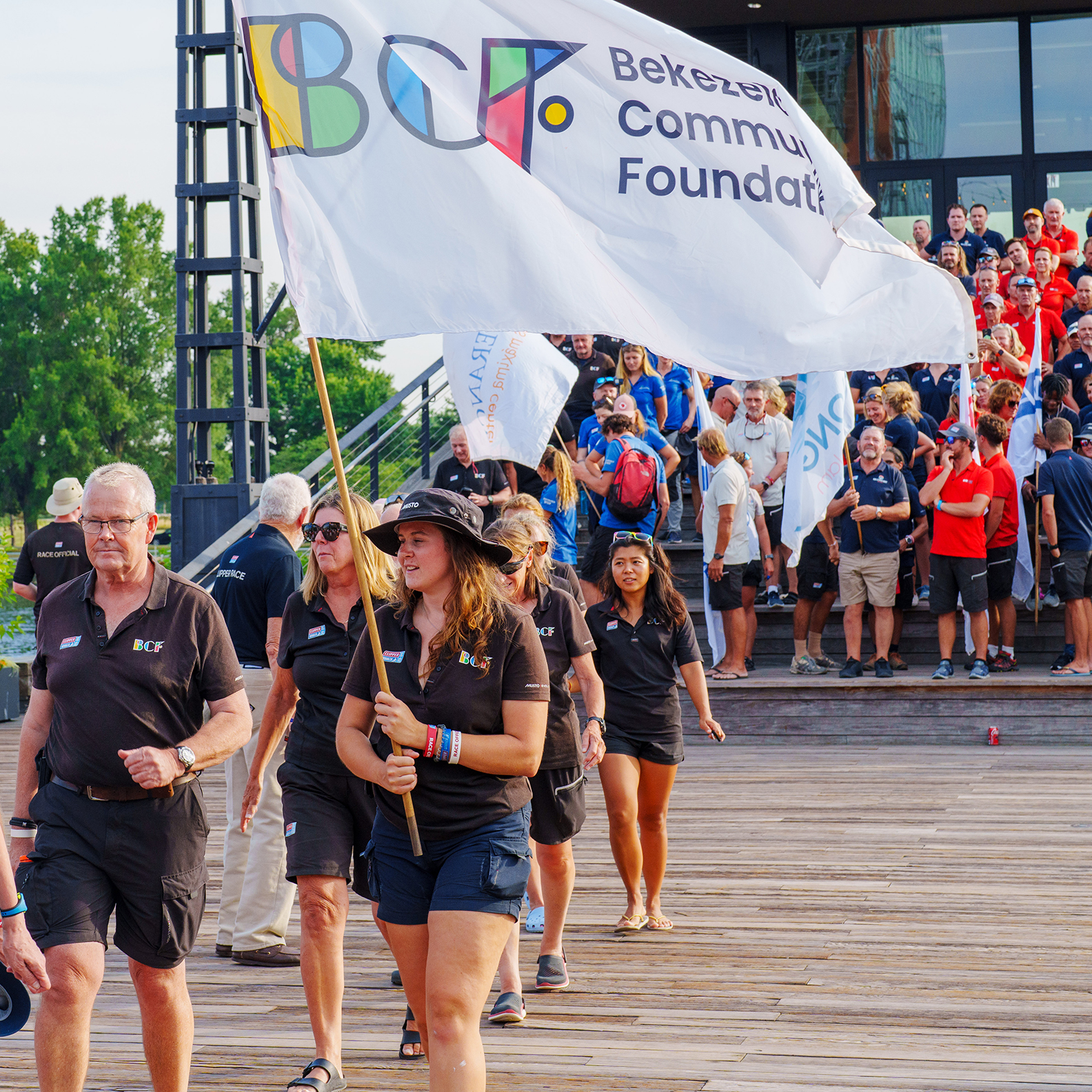
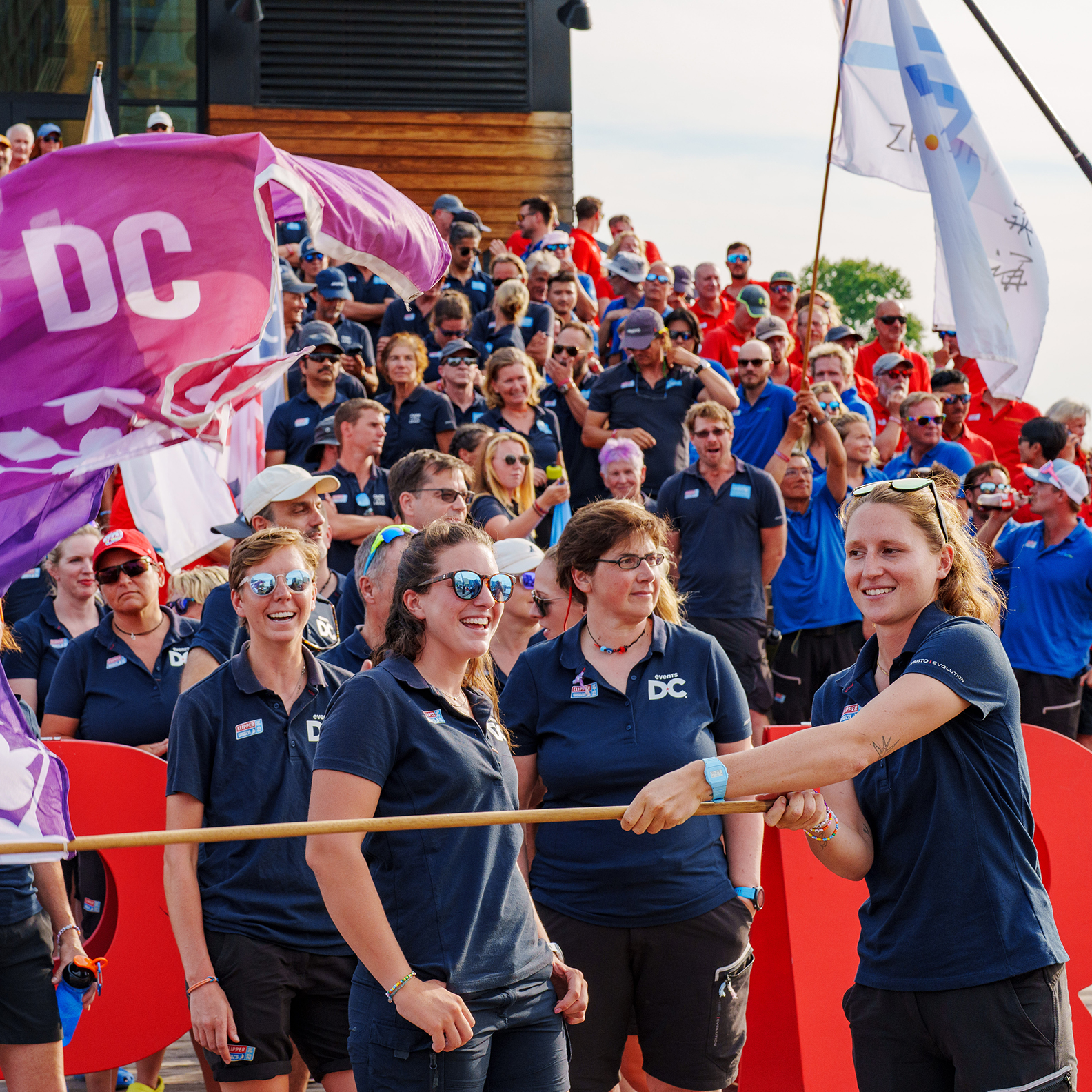
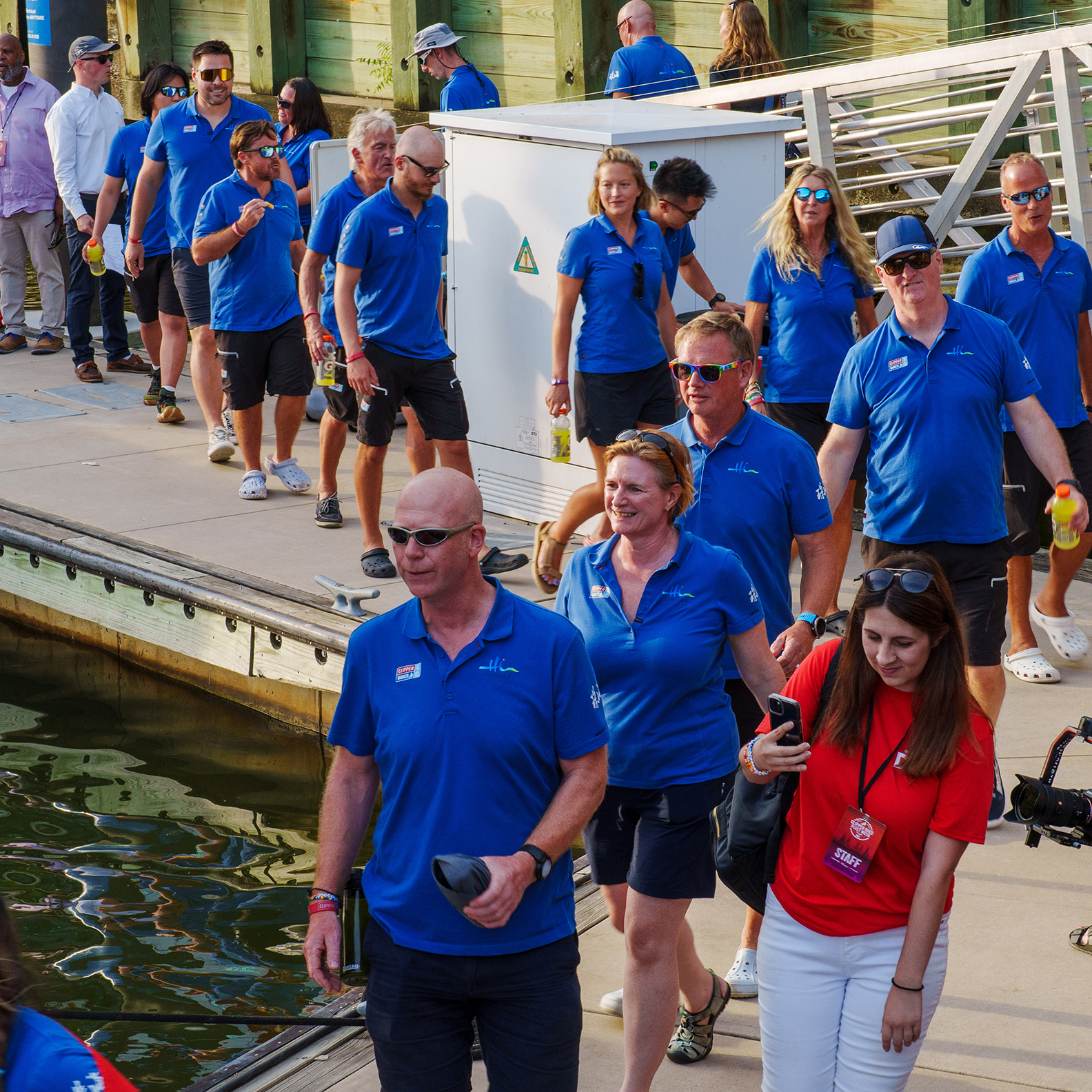
The final act of the DC stopover may be the most cinematic. On June 22, 2026, the fleet is scheduled to begin the next stage of the race with a public Race Start celebration at The Wharf. The official Clipper Race schedule lists a Crew Parade at 6:15 p.m., Slipping Lines from 8:15 to 8:45 pm, and a Parade of Sail from 8:55 to 9:20 p.m. Fireworks are listed for 9:00 pm. TBC, and the fleet’s transit under the Woodrow Wilson Memorial Bridge is listed from 10:00 p.m.
Events DC also identifies June 22 as the day for the Crew Parade, Boat Departure, and Parade of Sail, describing it as a high-energy Race Start as the fleet departs Washington, DC for the next leg of the global race.
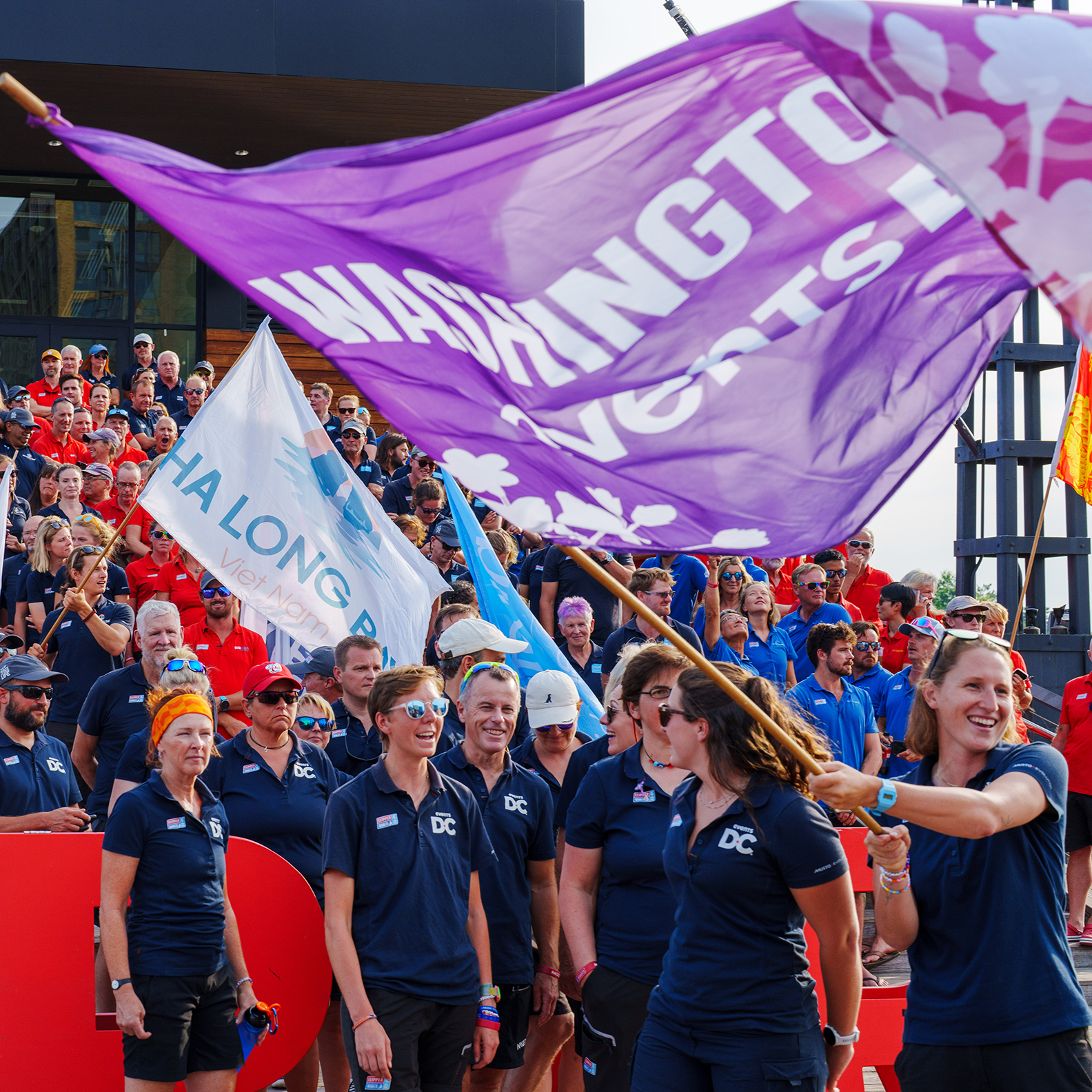
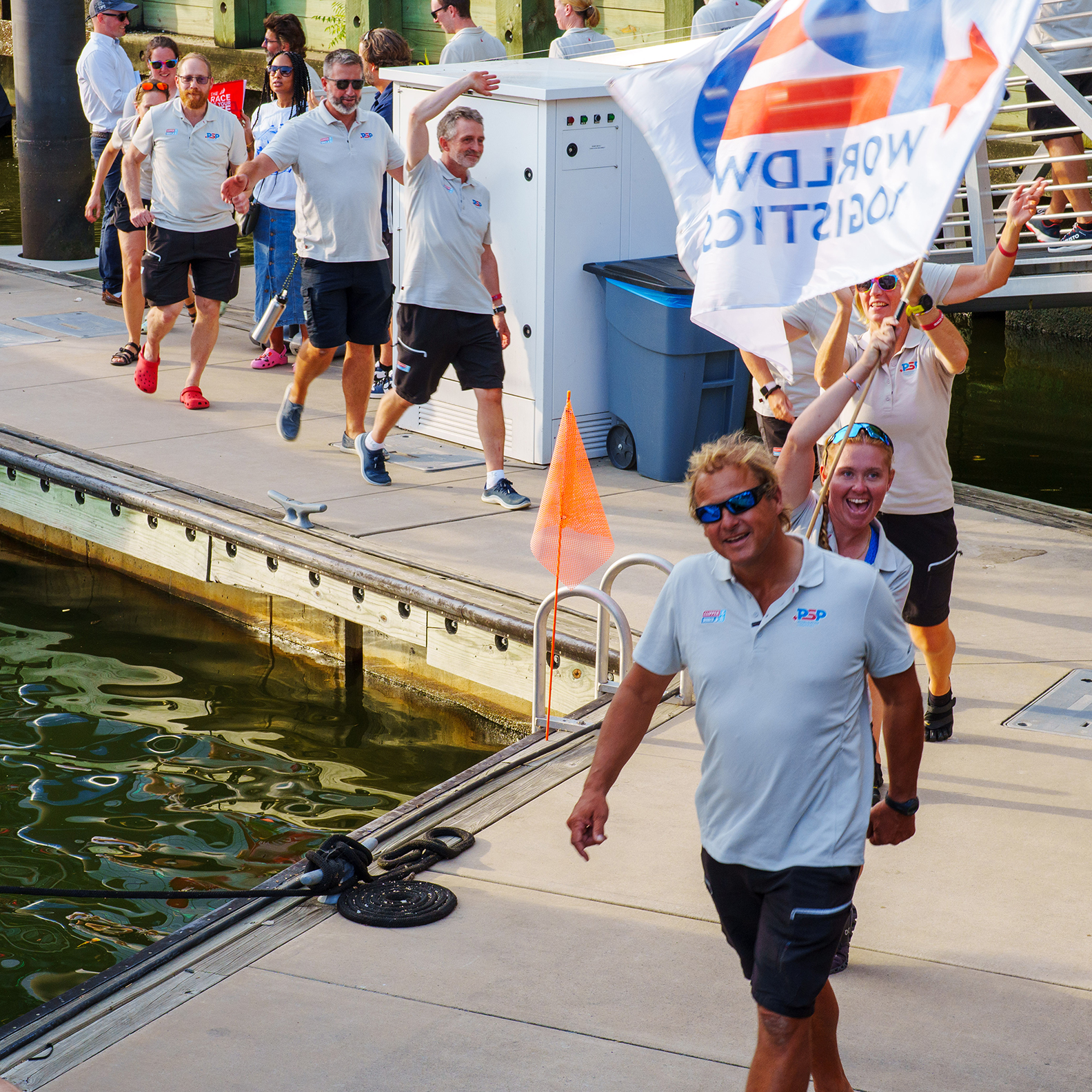
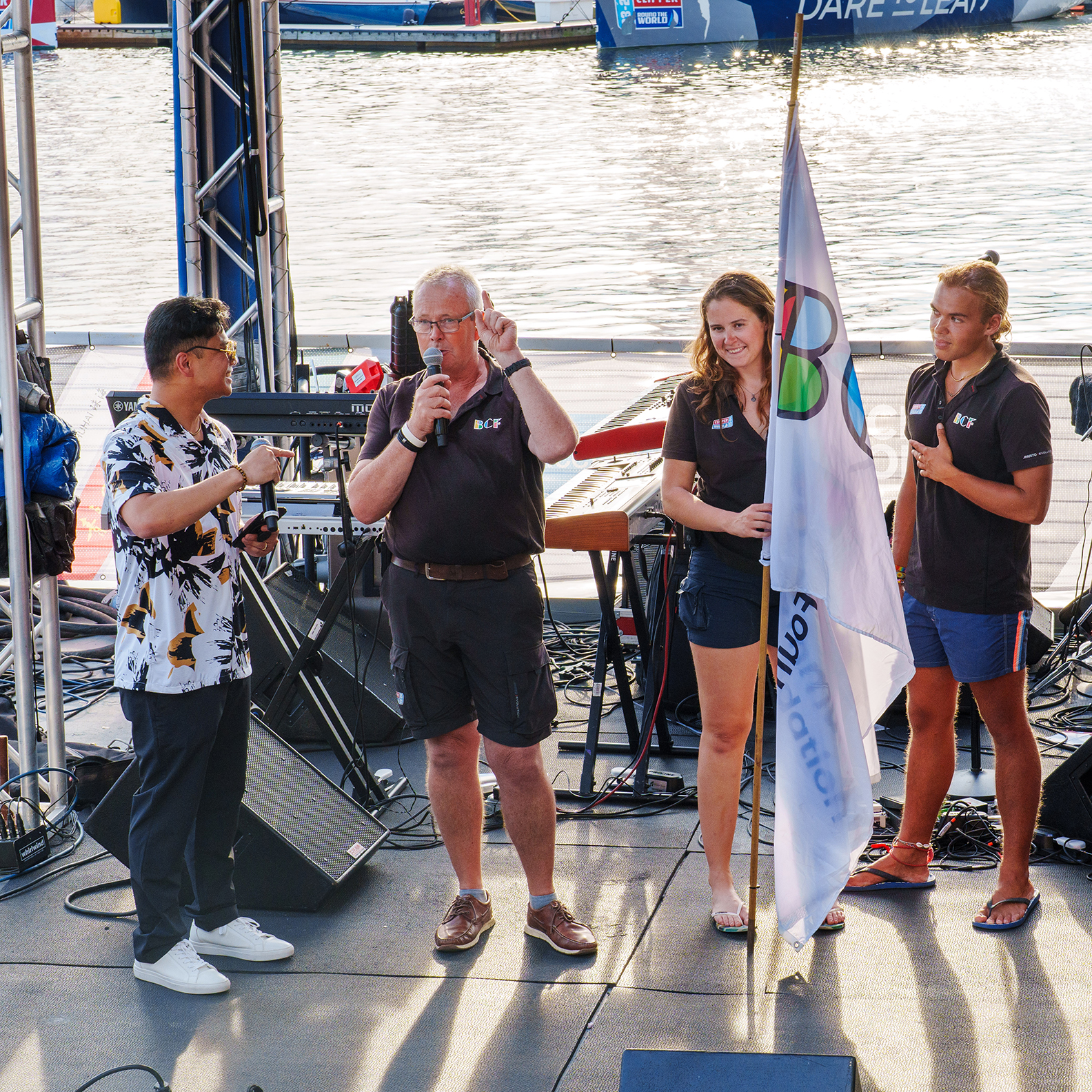
The Crew Parade gives the public a final chance to see the sailors on land. The slip-lines moment brings the drama back to the boats, as lines are released and the yachts begin to move away from the dock. The Parade of Sail turns departure into spectacle: masts, crew, flags, hulls, crowd noise, and the Potomac carrying the fleet out of the city.
Final Word: A Different Kind of DC Arrival
The Clipper Round the World Yacht Race gives Washington something rare: an event that is global in scale but intimate at the dock. Visitors can stand close enough to see the salt-worn details, talk to crew members, and understand that the story did not begin at The Wharf. It began thousands of miles away, across oceans, through storms, heat, cold, and long watches under open sky.
That is what makes the stopover worth covering. It is not just another waterfront festival. It is a meeting between the city and the sea, between public celebration and private endurance, between Washington’s polished hosting power and the raw effort of people who chose to test themselves against the world.
When the fleet arrives, The Wharf becomes more than a destination. It becomes proof that DC’s story can stretch far beyond the monuments — all the way around the world, and back again.