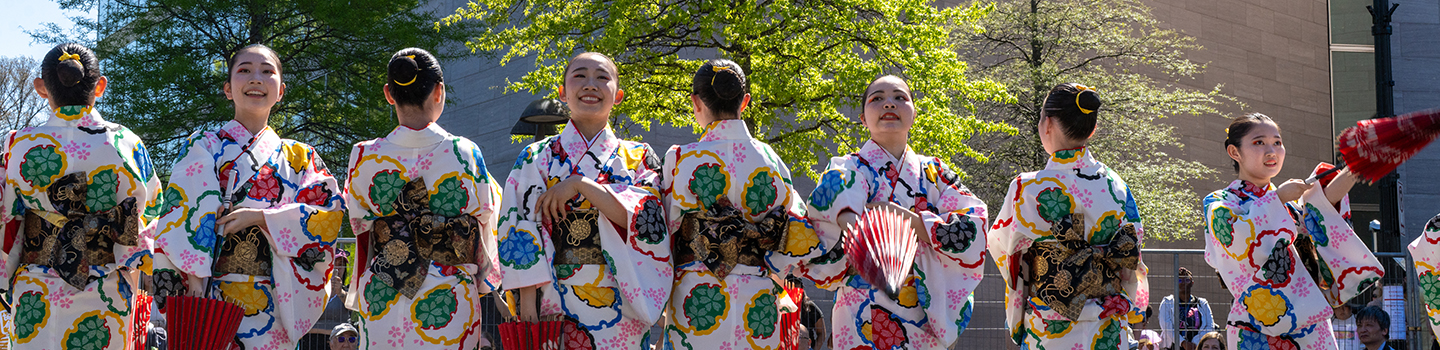
Washington has plenty of spring events, but Sakura Matsuri has a different kind of electricity. It does not merely decorate the season. It fills it with sound, movement, food, and public energy. On April 11 and 12, Pennsylvania Avenue once again became the setting for the Sakura Matsuri Japanese Street Festival, the largest celebration of Japanese culture in the United States, presented by the Japan-America Society of Washington DC as a premier event of the National Cherry Blossom Festival. Across two packed days, the festival delivered what it always does at its best: an immersive encounter with Japan that felt expansive enough for first-time visitors and rich enough for people who return year after year.
The 2026 festival ran Saturday, April 11 from 10:30 a.m. to 6:00 p.m. and Sunday, April 12 from 10:30 a.m. to 4:00 p.m., giving the city more than a quick street fair and more than a symbolic nod to cherry blossom season. It offered a full weekend of programming anchored in performance, food, shopping, and hands-on discovery. Sakura Matsuri has long been one of the most anticipated cultural events of the festival calendar, but what keeps it from becoming repetitive is its range.
A Street Festival With Real Scale
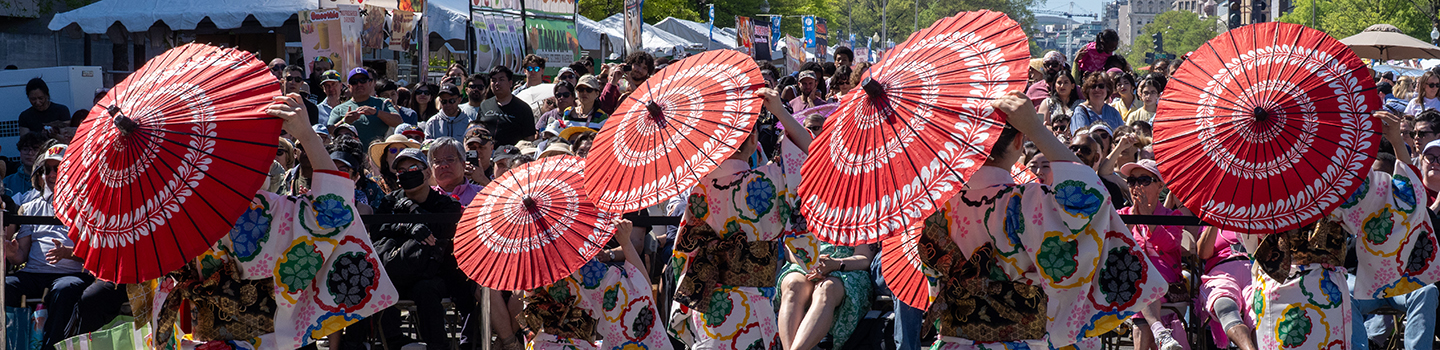
The first thing Sakura Matsuri does well is scale. Too many cultural events advertise immersion and deliver fragments. This one actually feels large enough to deserve the word. Official festival materials describe it as the largest celebration of Japanese culture in the United States, and the event backs that up with over 24 hours of entertainment across multiple stages, wide-ranging food and drink options, themed pavilions, vendor corridors, and dedicated zones that let visitors shape their own day.
That matters because a festival like this succeeds only if it can carry different audiences at the same time. Some people arrive for taiko, martial arts, and dance. Some come for ramen, mochi, matcha, and beer. Some want to browse goods, discover Japanese makers, or pick up gifts. Others are there for anime-adjacent culture, technology, and the more contemporary side of Japan. Sakura Matsuri does not force those visitors into the same lane. It gives them multiple entry points and lets the avenue do the rest.
Sakura Matsuri works because it is not one experience. It is a full cultural street map.Discover DC Now
Where Tradition and Pop Culture Meet
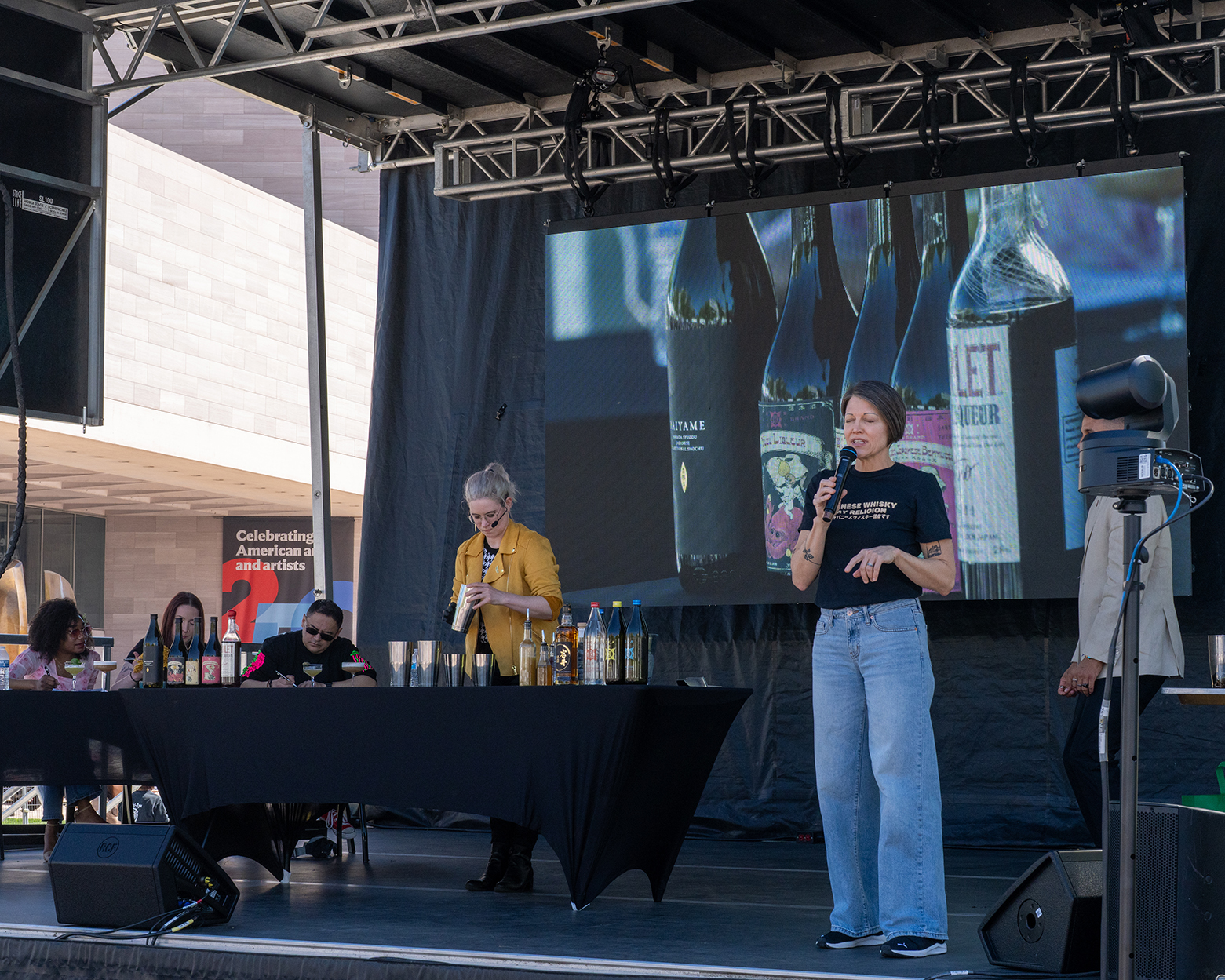
One of the strongest structural ideas behind Sakura Matsuri is that it refuses to present Japanese culture as a static museum piece. The festival’s official framework breaks the weekend into major thematic areas including Arts & Culture, Ginza Marketplace, Taste of Japan, and Japan Now, plus feature pavilions such as Beyond Tokyo, Japan Smart Infrastructure, Japan WOW, Sake 101, and the Tachinomi Sake Fest and Tachinomi Spirits & Brews.
The Arts & Culture side gives the festival historical and ceremonial depth. The Japan Now section gives it pulse. Official festival materials describe Japan Now as a modern zone dedicated to contemporary Japanese popular culture, lifestyle, and commerce, with shopping, technology, interactive experiences, and a strong connection to youth-oriented culture. That is exactly the kind of programming balance a festival like this needs.
Sakura Matsuri’s strength is not just who performs. It is how the event is organized. Visitors can move from traditional arts to modern pop culture, from food stalls to interactive pavilions, without the day feeling repetitive.
Performances That Give the Festival Its Heartbeat
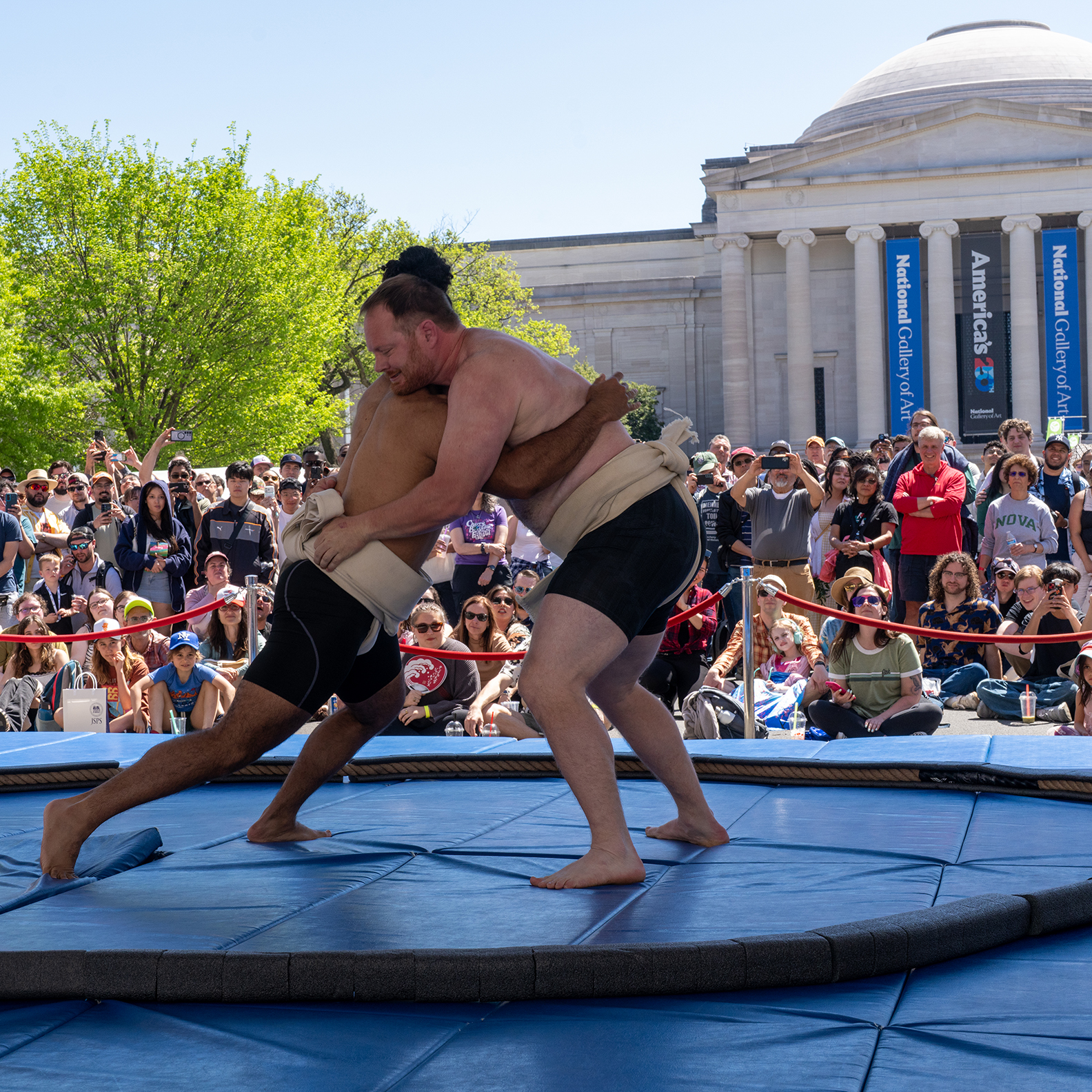
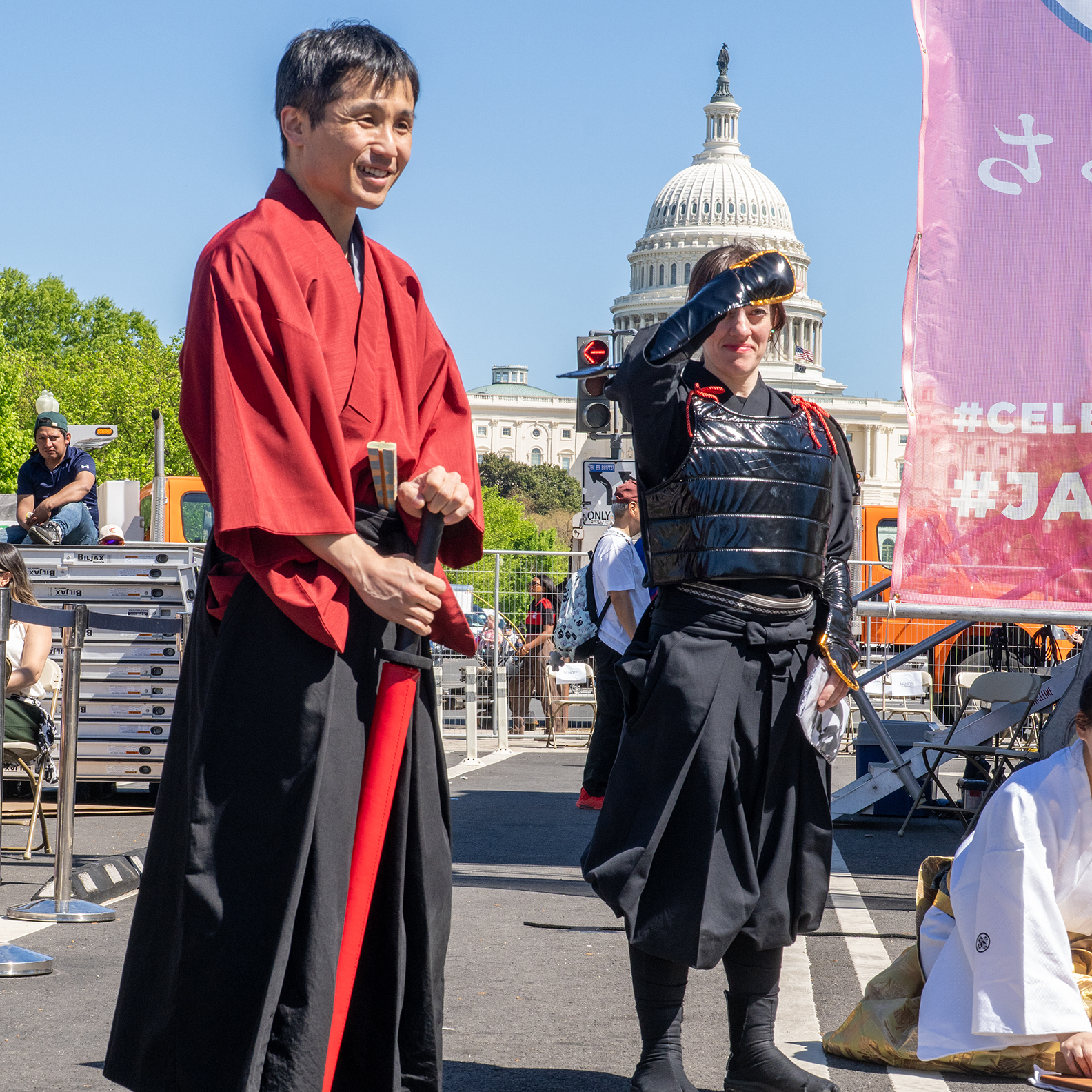
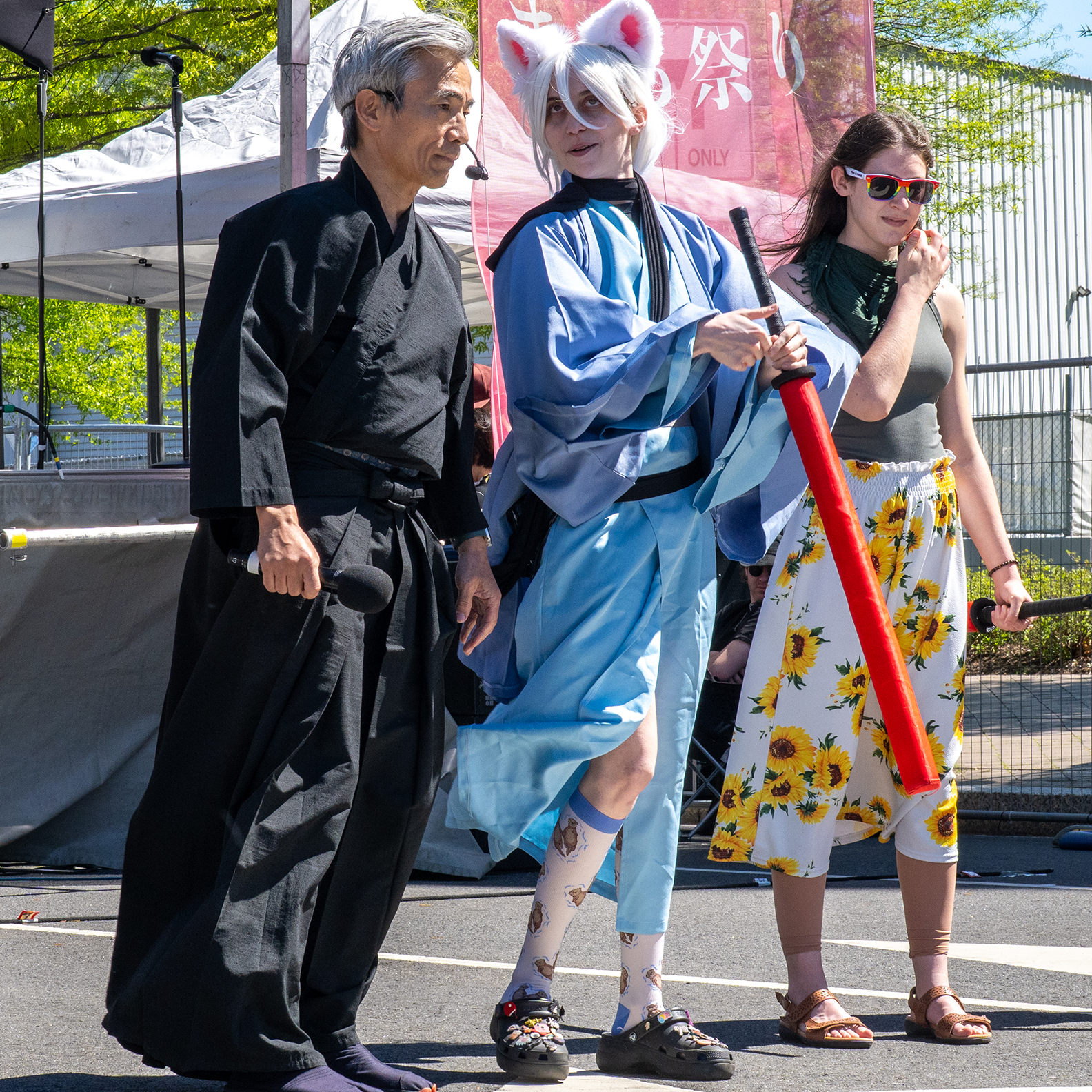
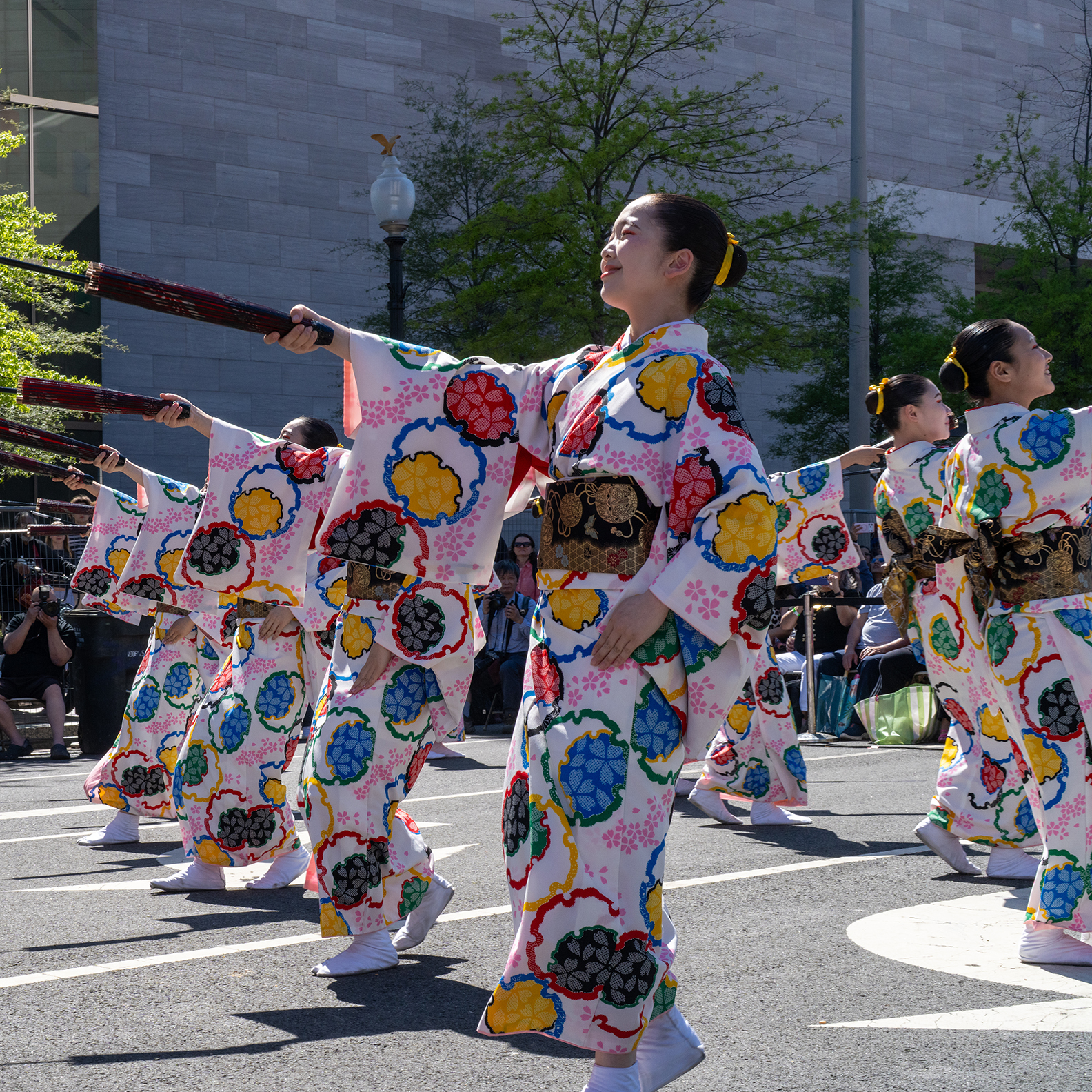
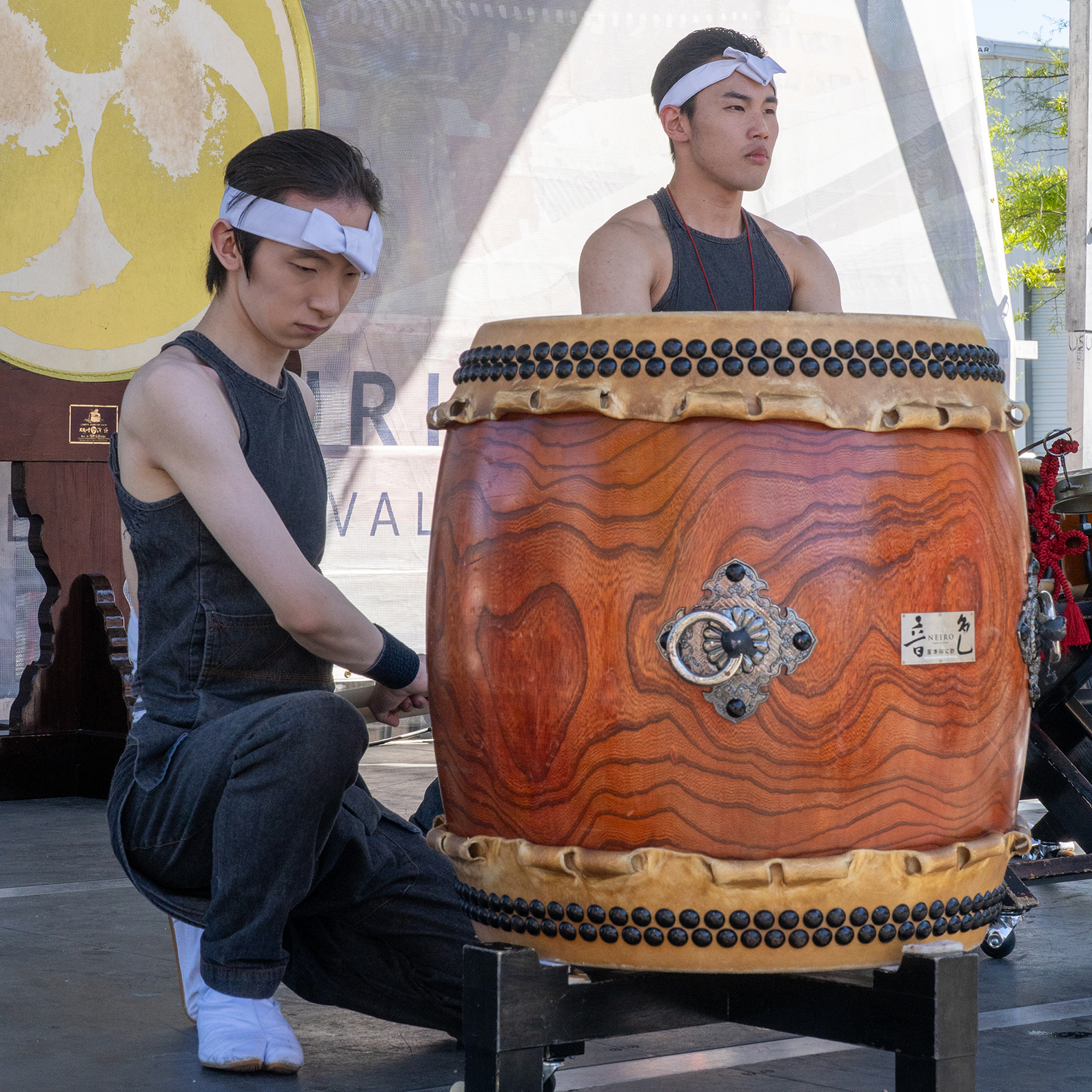
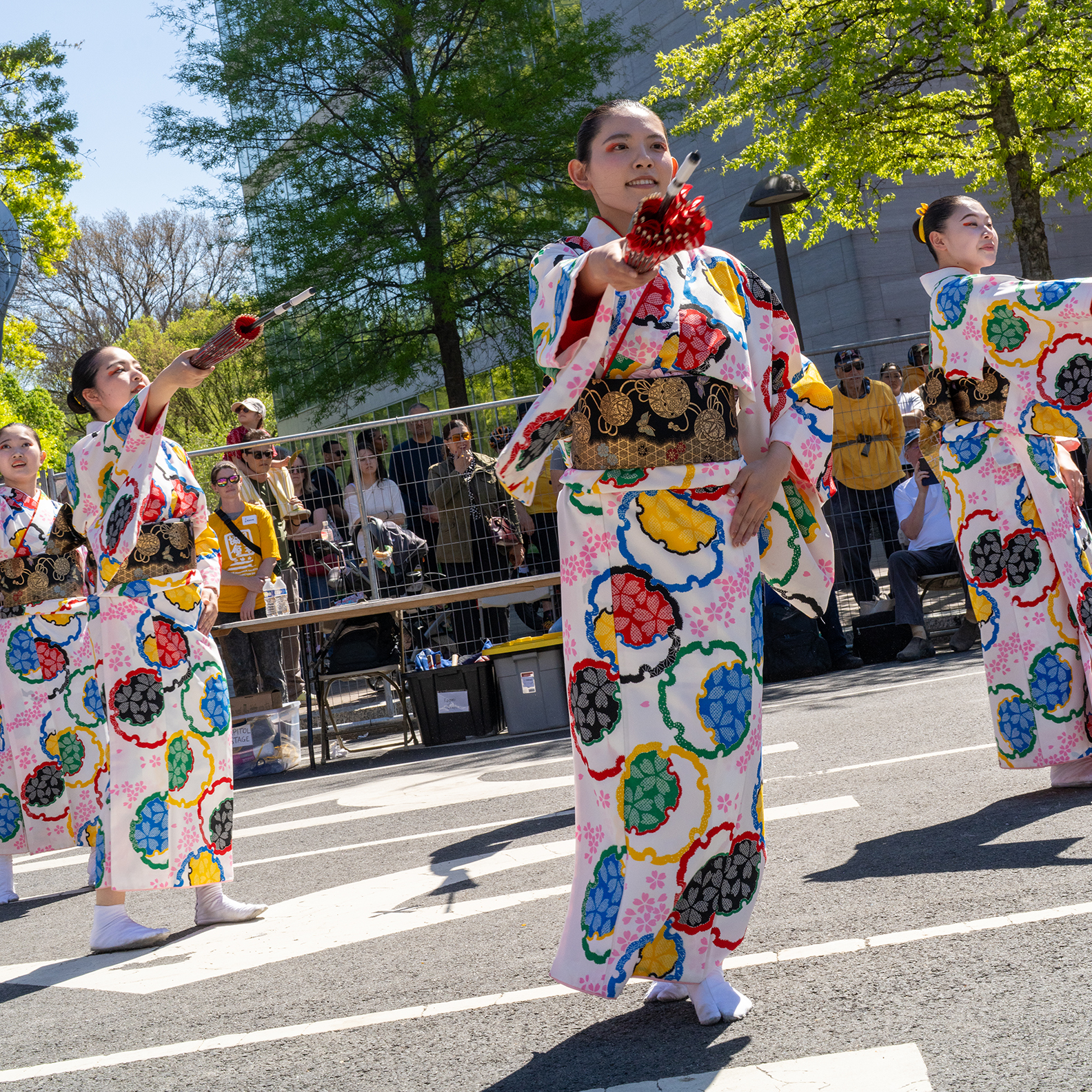
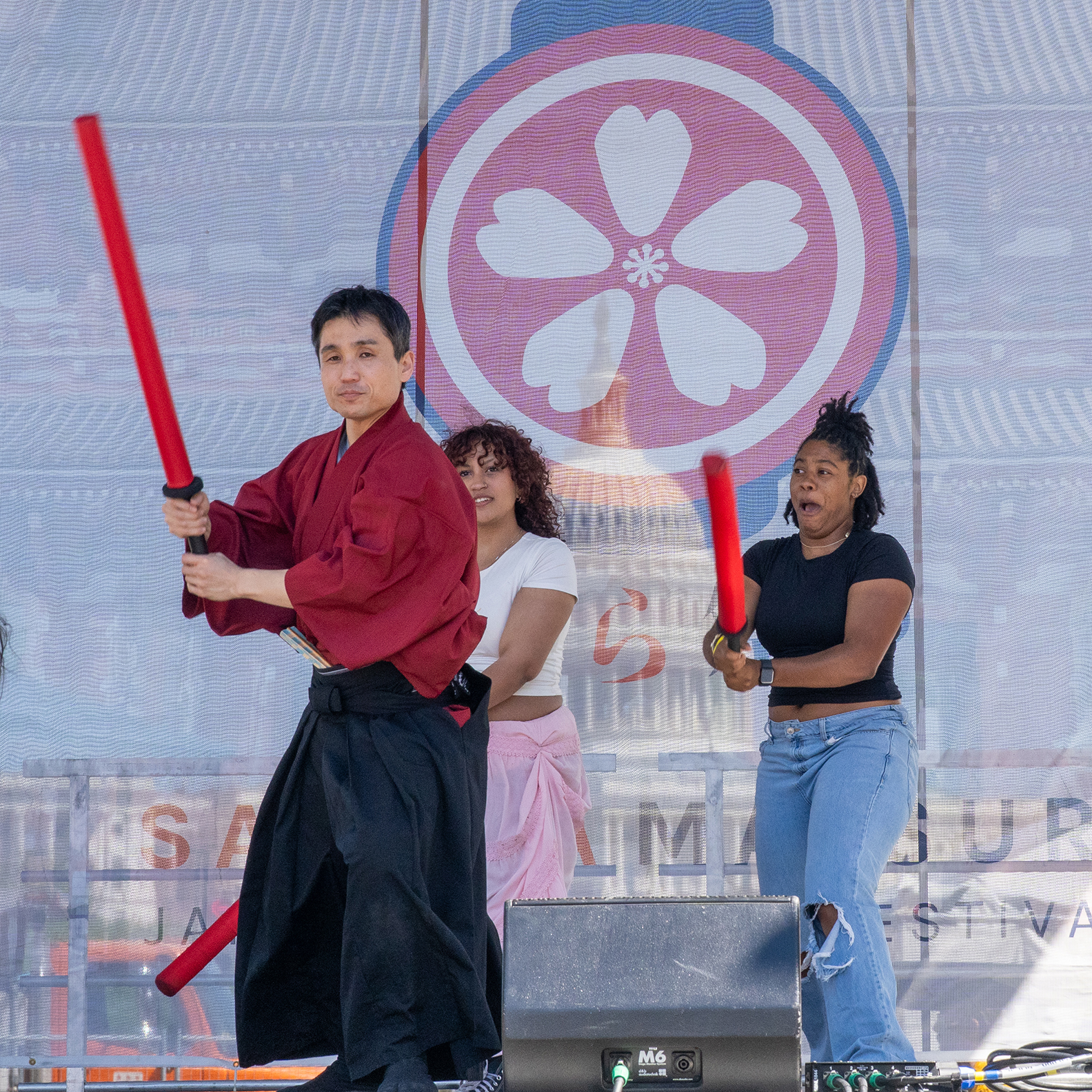
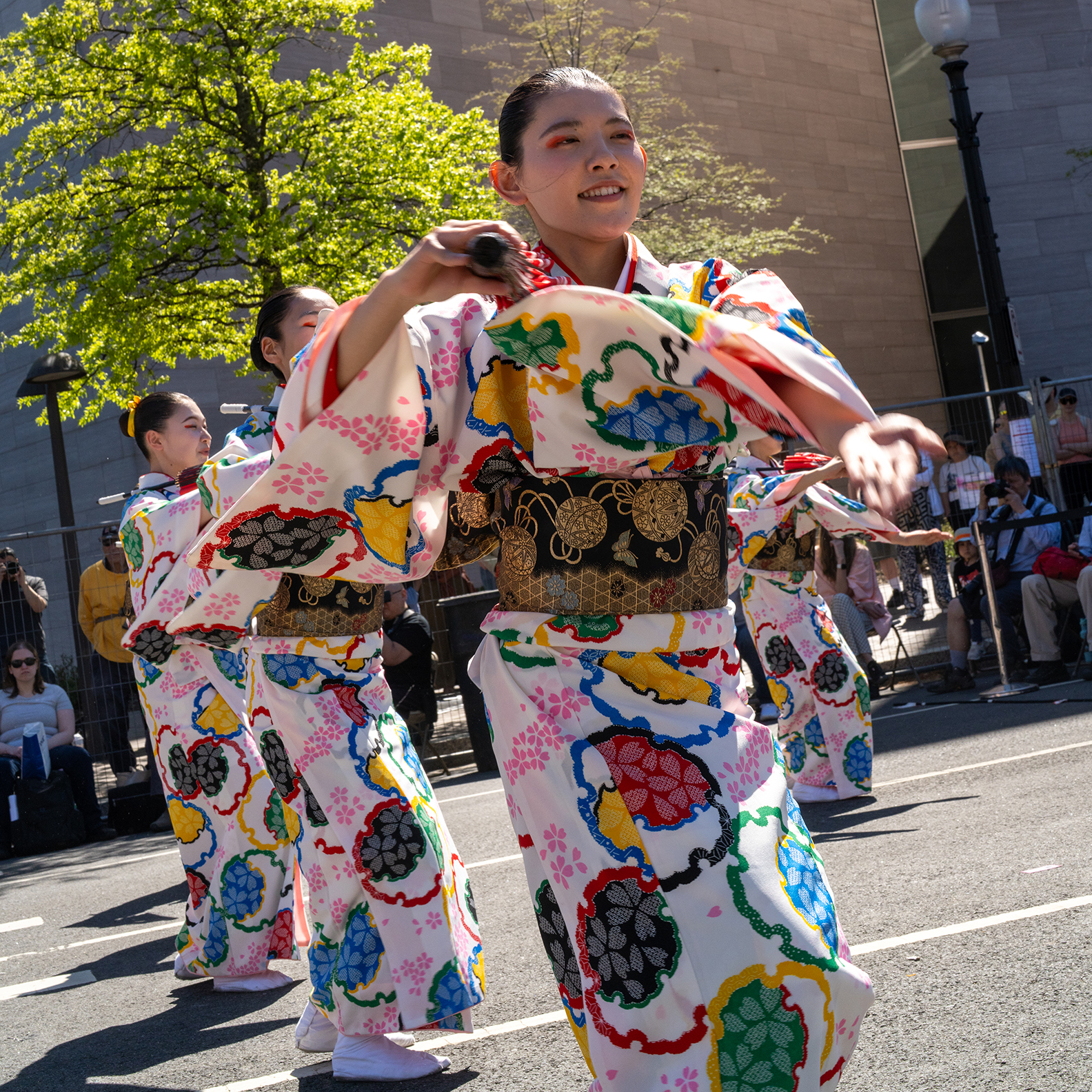
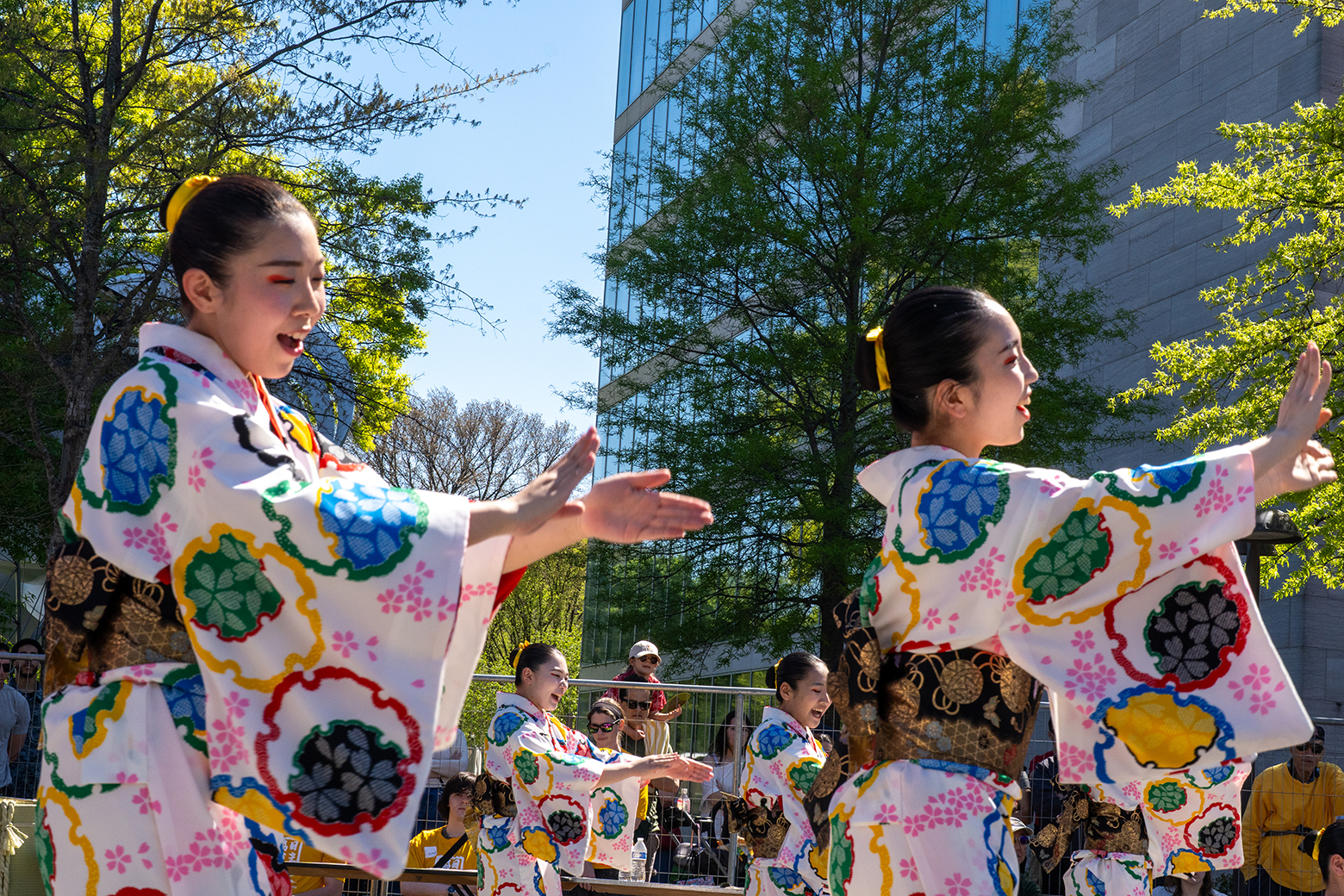
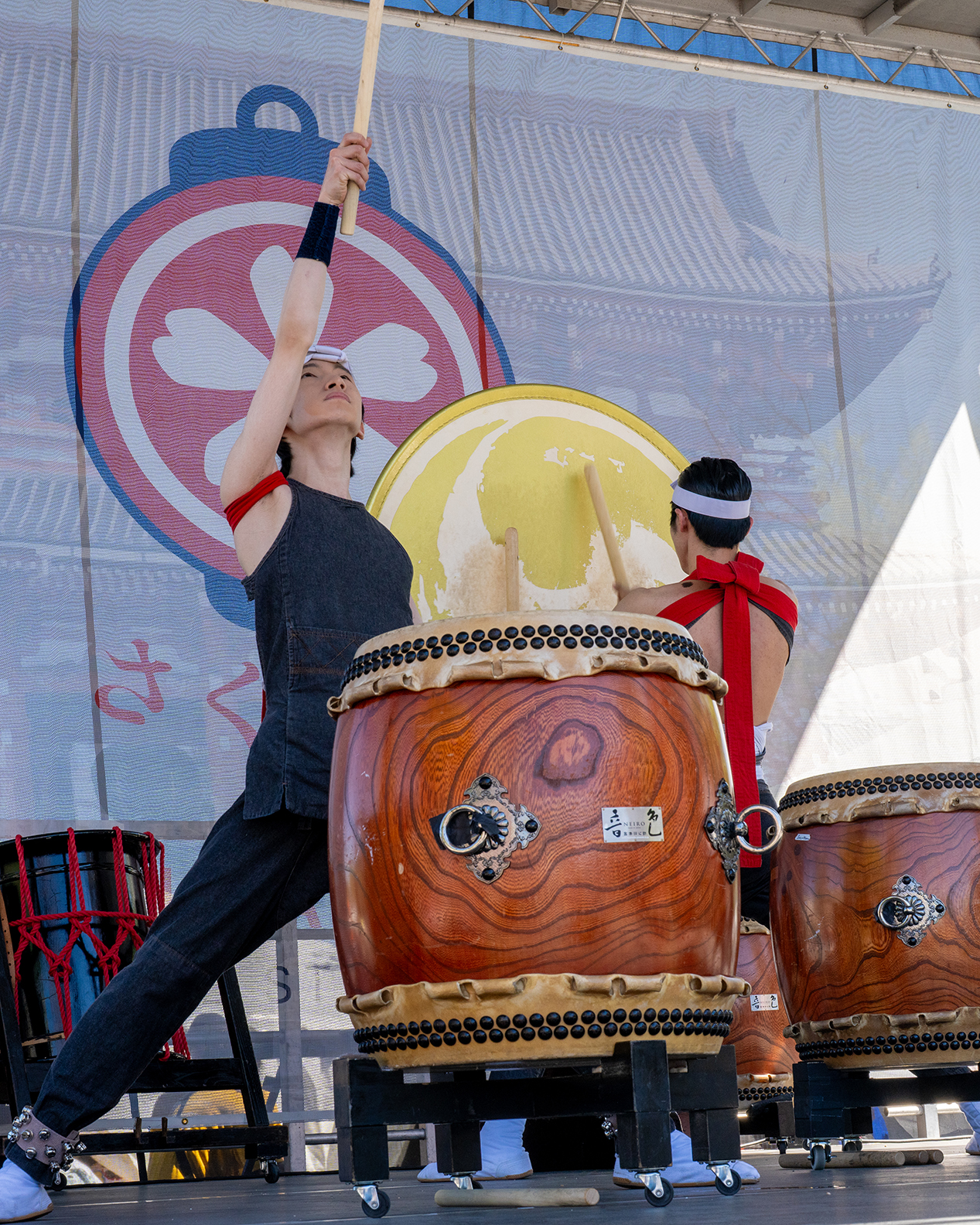
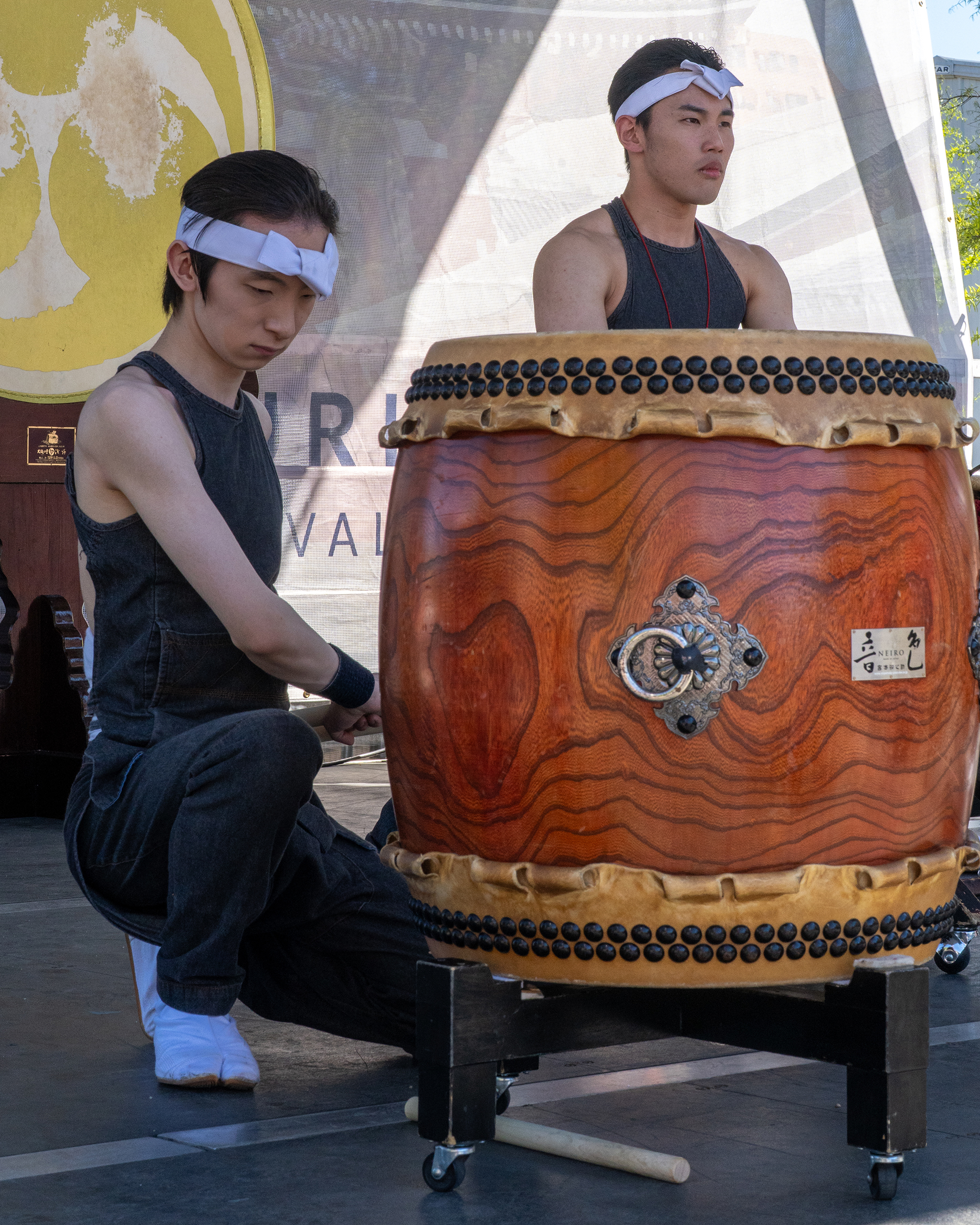
Performance is where Sakura Matsuri turns from interesting into memorable. The 2026 festival featured four stages and more than 40 performances across two days, giving visitors everything from martial arts and dance to taiko, music, and sumo. That volume matters because it changes the event from a marketplace with entertainment into a true performance festival.
The featured 2026 lineup underscored that range. Official materials highlighted platinum-selling J-Pop artist Crystal Kay, who was scheduled for a Saturday meet-and-greet and a Sunday exclusive performance, along with the return of USA Sumo, including a featured competition involving Ichi and Zorig. The broader performer list included groups and acts spanning martial arts, music, and traditional and contemporary performance.
Taste of Japan Is Never Just a Side Feature
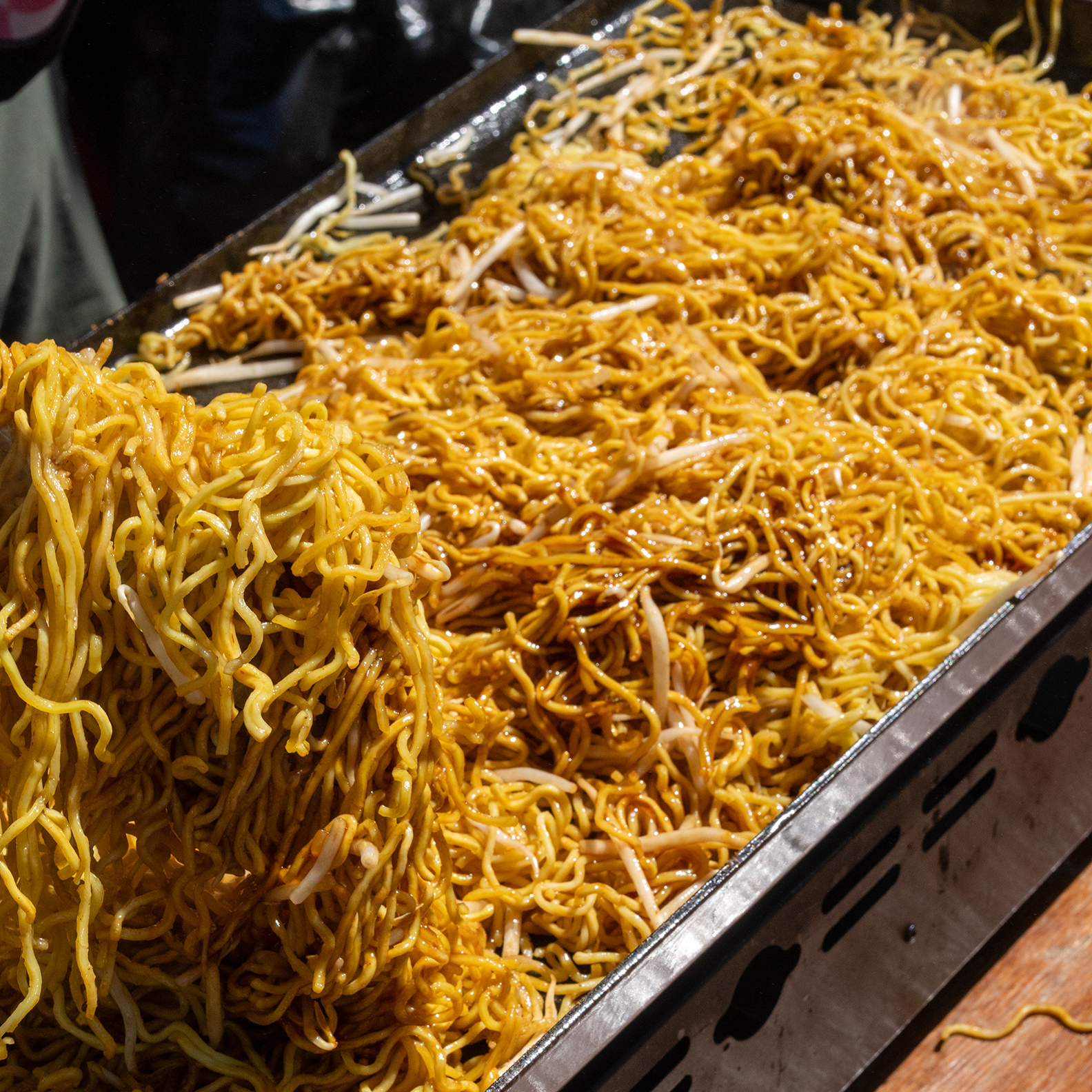
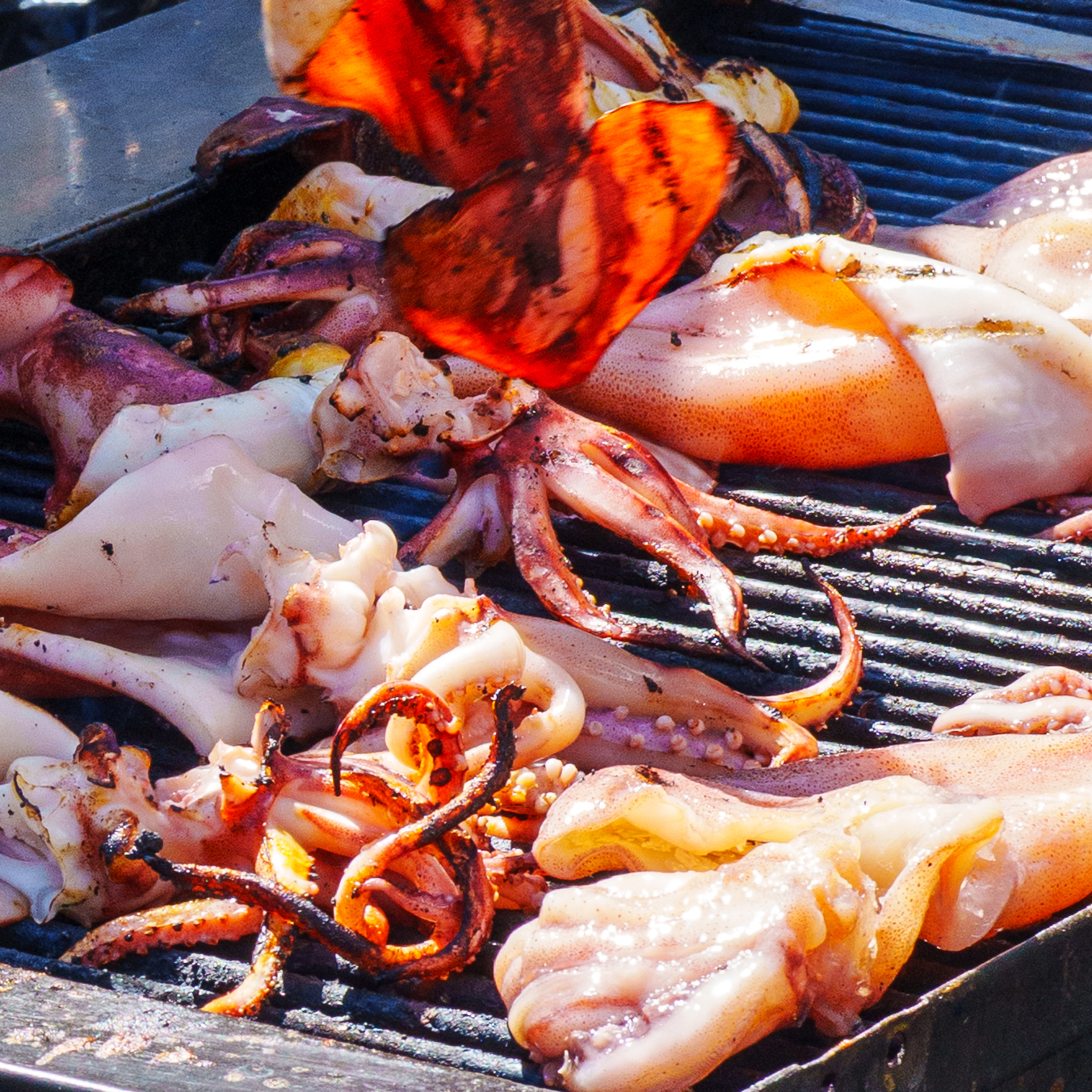
Food at Sakura Matsuri is not an accessory. It is part of the argument the festival is making. Official festival and FAQ materials emphasize the scale of the food experience, from wide-ranging Japanese snacks to the Taste of Japan area, where lines can get especially heavy around midday. Festival organizers even advise attendees to grab food early if they plan to eat lunch in that section.
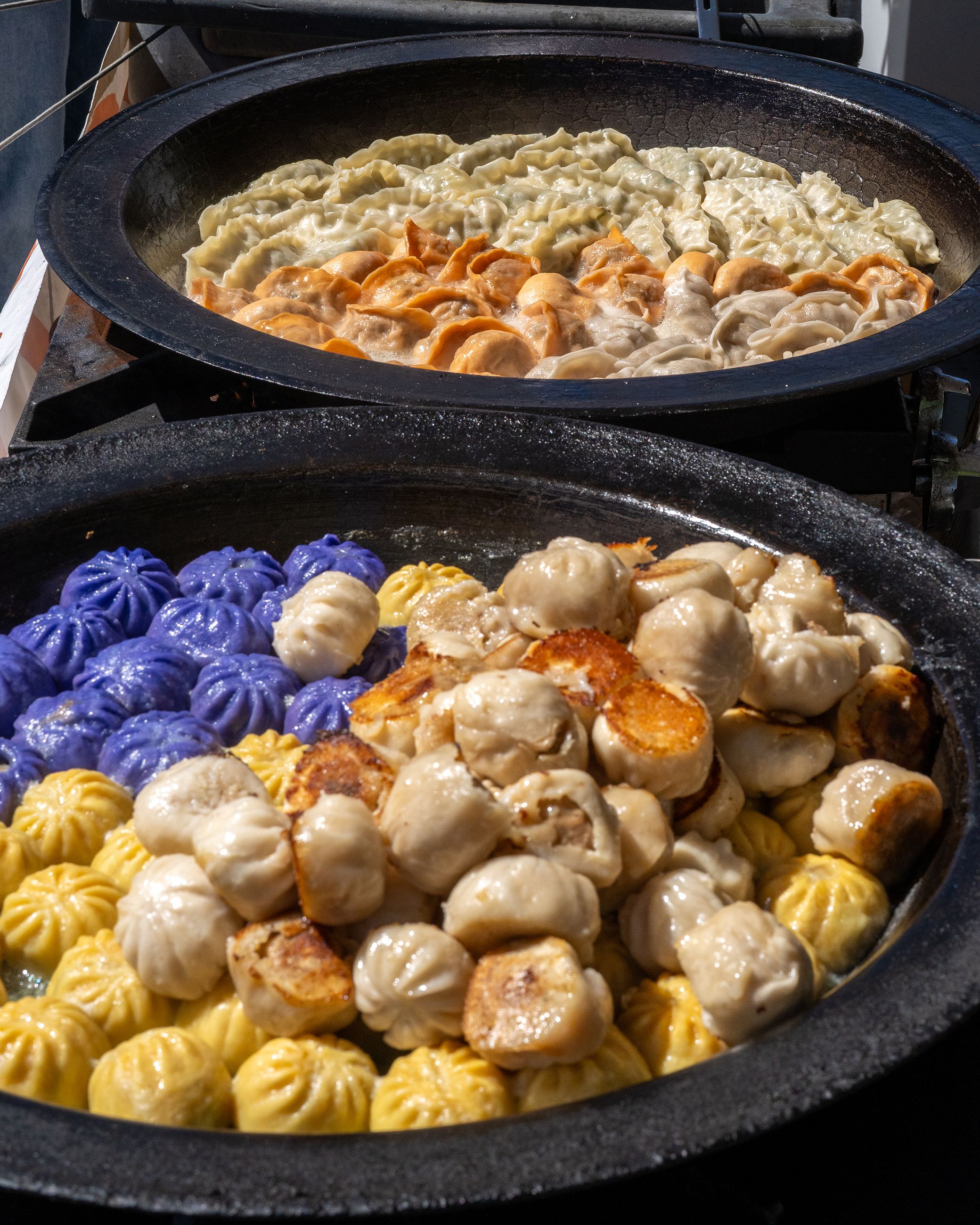
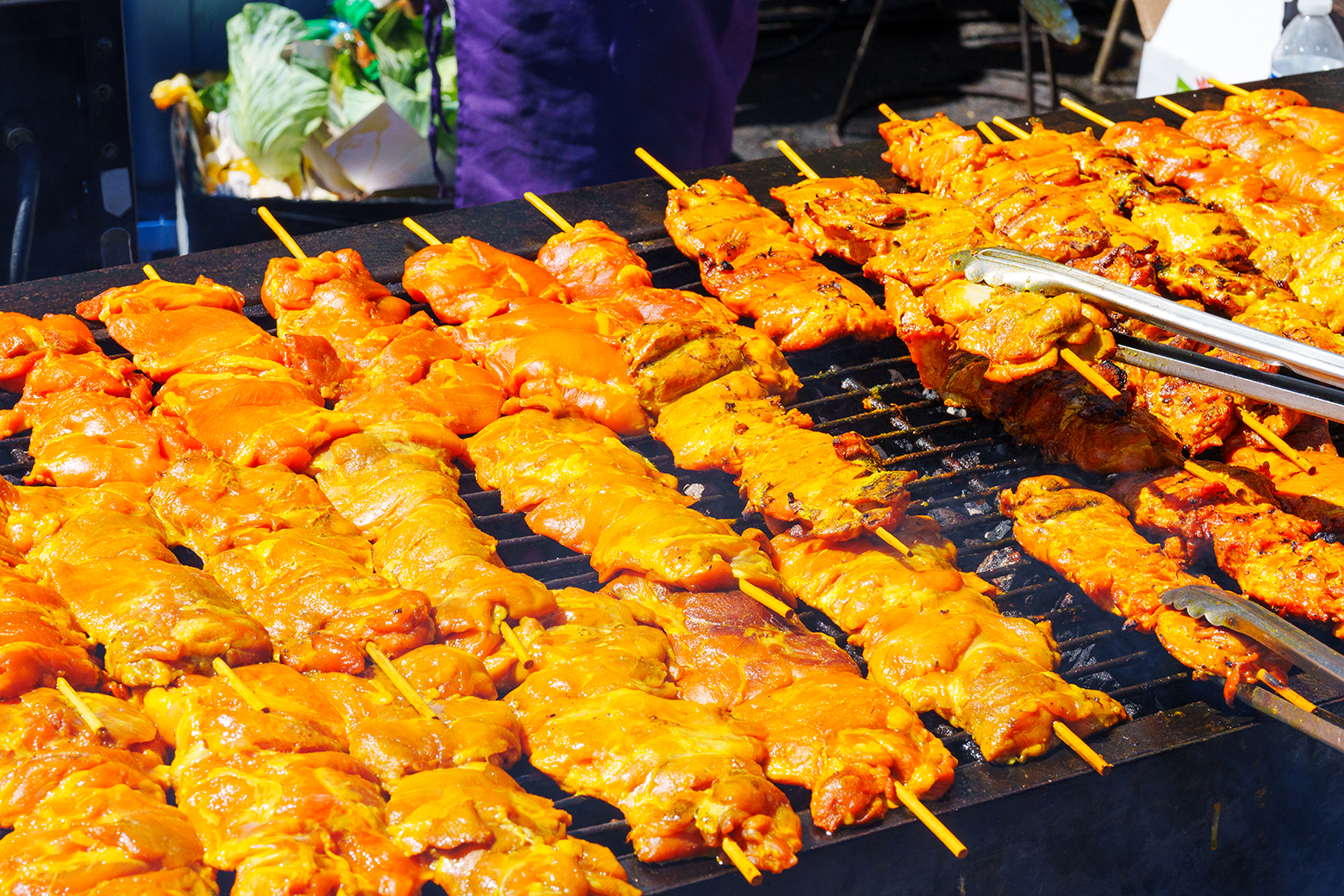
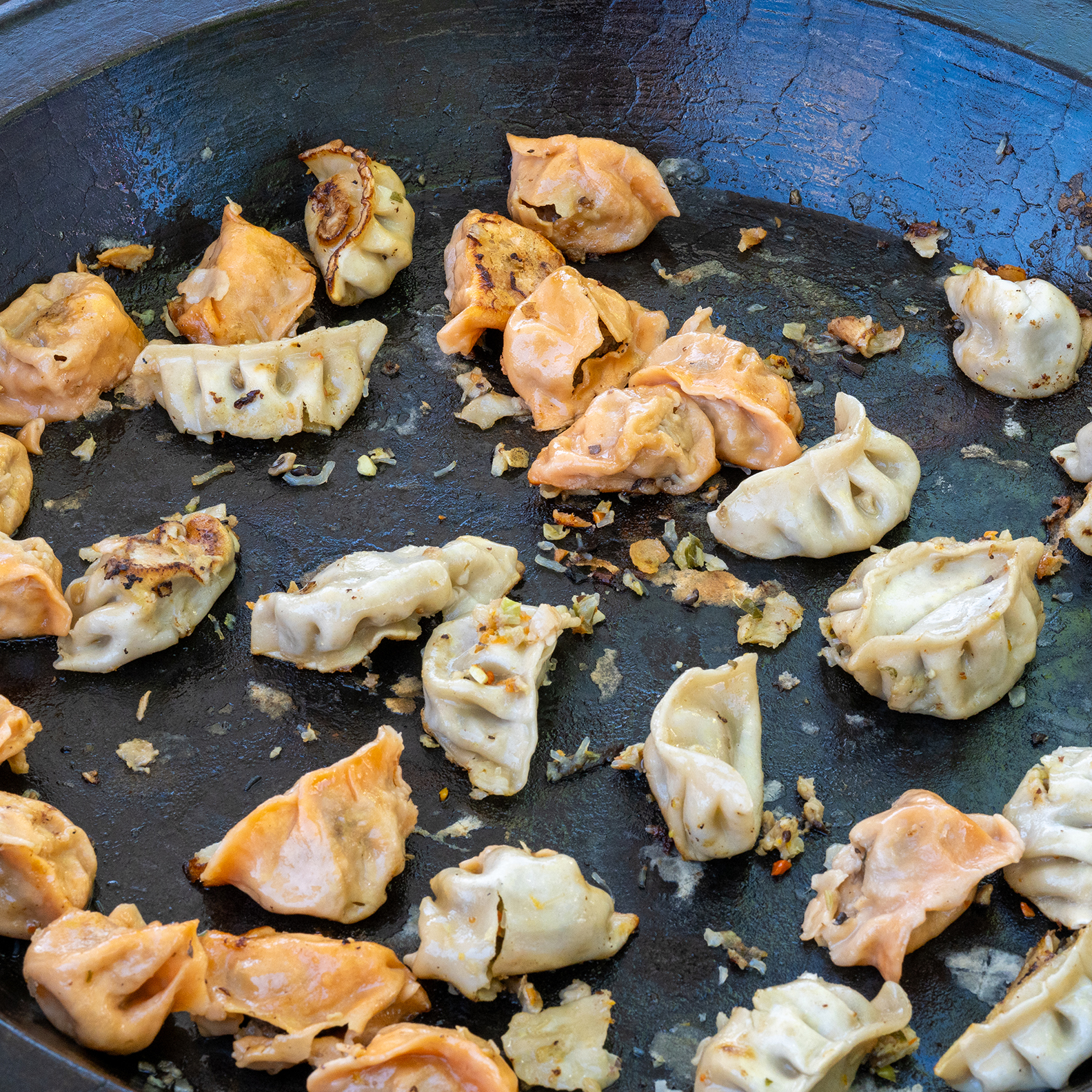
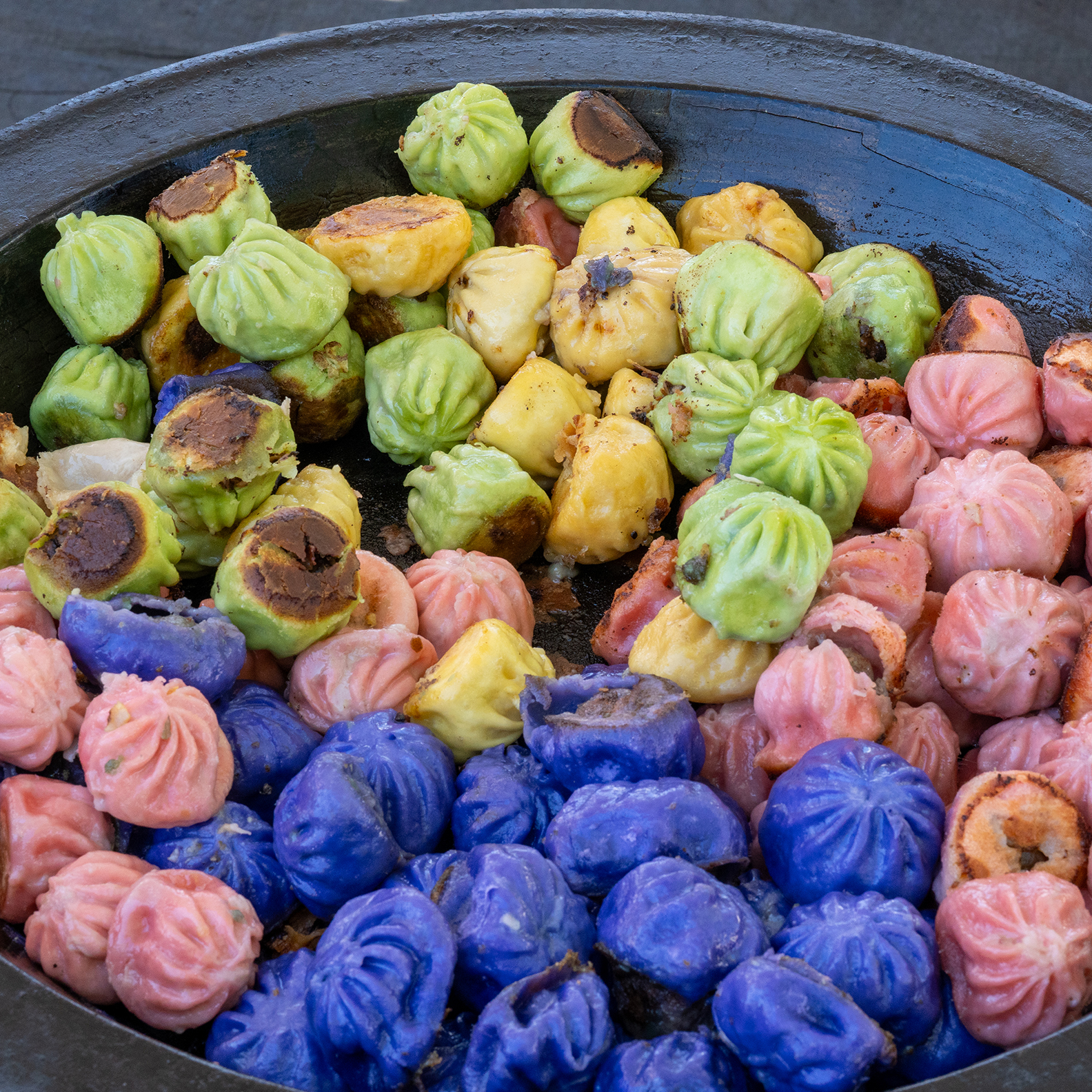
The listed food vendors and descriptions also show how broad the culinary mix has become. Festival materials highlight everything from onigiri and matcha to yakitori, okonomiyaki, gyoza, fried rice, spring rolls, cream puffs, and fusion offerings. That breadth makes the avenue feel active even when visitors are not watching a stage.
- Go early if food is a priority.
- Expect lunch lines to build between noon and 3 p.m.
- Bring a packable chair if you want to spend time near performances.
- Do not treat the festival like a one-hour stop. It is built for wandering.
Shopping, Browsing, and the Pleasure of Staying Longer
Good festivals understand that not every memorable moment comes from a headliner. Sometimes it comes from buying something unexpected, seeing a product you did not know existed, or talking to a vendor who clearly cares about what they make. Sakura Matsuri has enough retail depth to support that kind of slower engagement.
Official materials describe the Ginza Marketplace and Japan Now areas as major destinations for shopping, including authentic Japanese and Japanese-inspired goods, pop culture merchandise, fashion, accessories, and specialty items. That shopping layer changes the event’s tempo in a useful way. It gives visitors reason to linger and reason to return to areas they might have passed too quickly the first time.
Why Sakura Matsuri Continues to Matter in Washington
Washington is full of official symbolism. Sakura Matsuri succeeds because it turns symbolism into experience. It arrives during the final weekend of the National Cherry Blossom Festival, but it does not feel like an afterthought. It feels like one of the clearest public expressions of the larger story behind the season: friendship, exchange, curiosity, and the idea that cultural celebration should be lived, not merely observed.
It also matters because it gives Washington something it increasingly needs: a large public event that feels genuinely engaging rather than merely ceremonial. Pennsylvania Avenue can easily become a corridor people pass through. During Sakura Matsuri, it becomes a place people occupy. They watch, browse, eat, listen, and stay.
Sakura Matsuri does not just celebrate Japan in Washington. It makes Washington feel more alive.Discover DC Now
Final Word
Sakura Matsuri remains one of the sharpest examples of what a city festival should be: layered, generous, highly visual, rooted in culture, and strong enough to reward both quick visitors and people willing to spend the day inside it. On April 11 and 12, Washington did not merely host a Japanese street festival. It gave Pennsylvania Avenue over to a weekend of performance, flavor, movement, and modern cultural exchange that felt as vivid as spring itself.