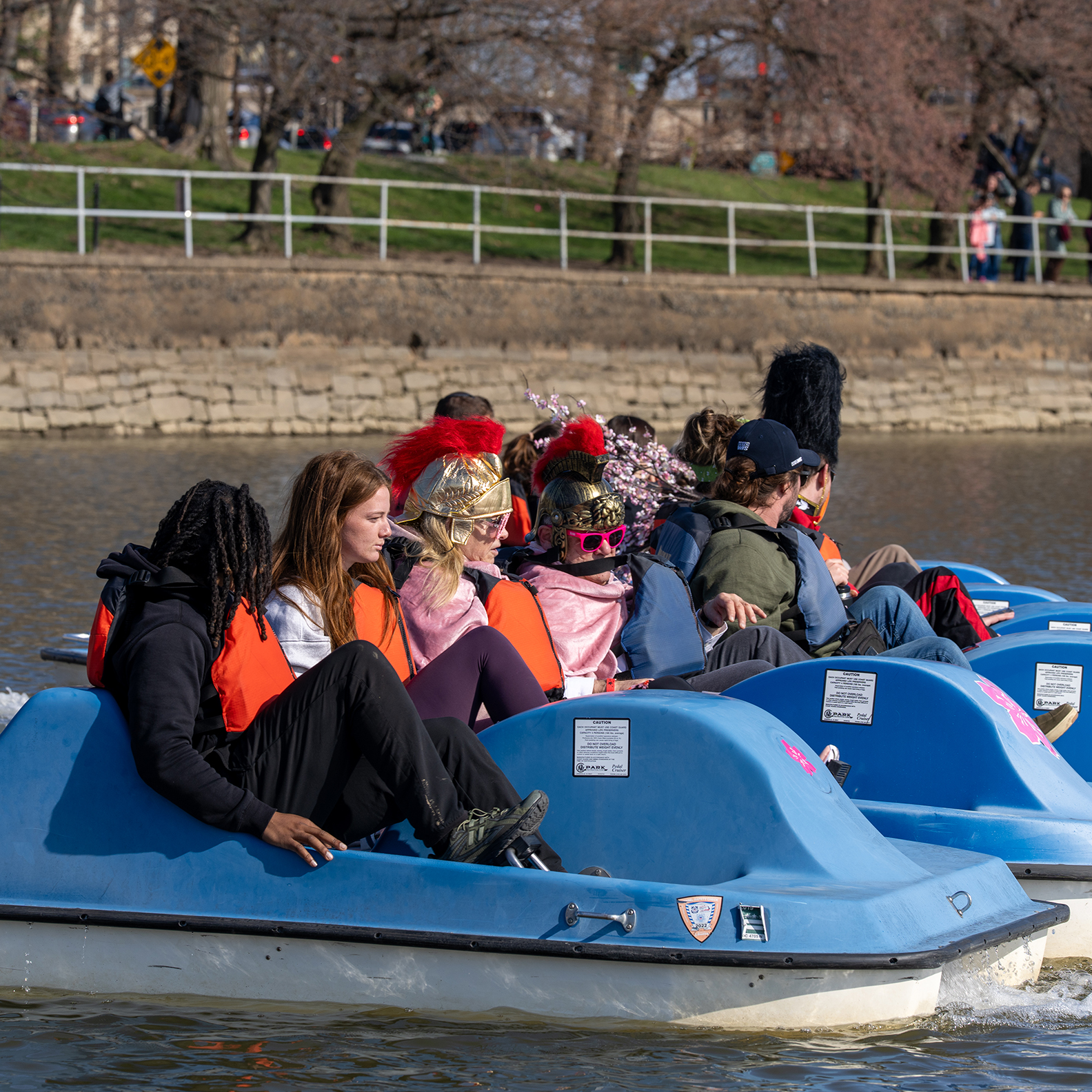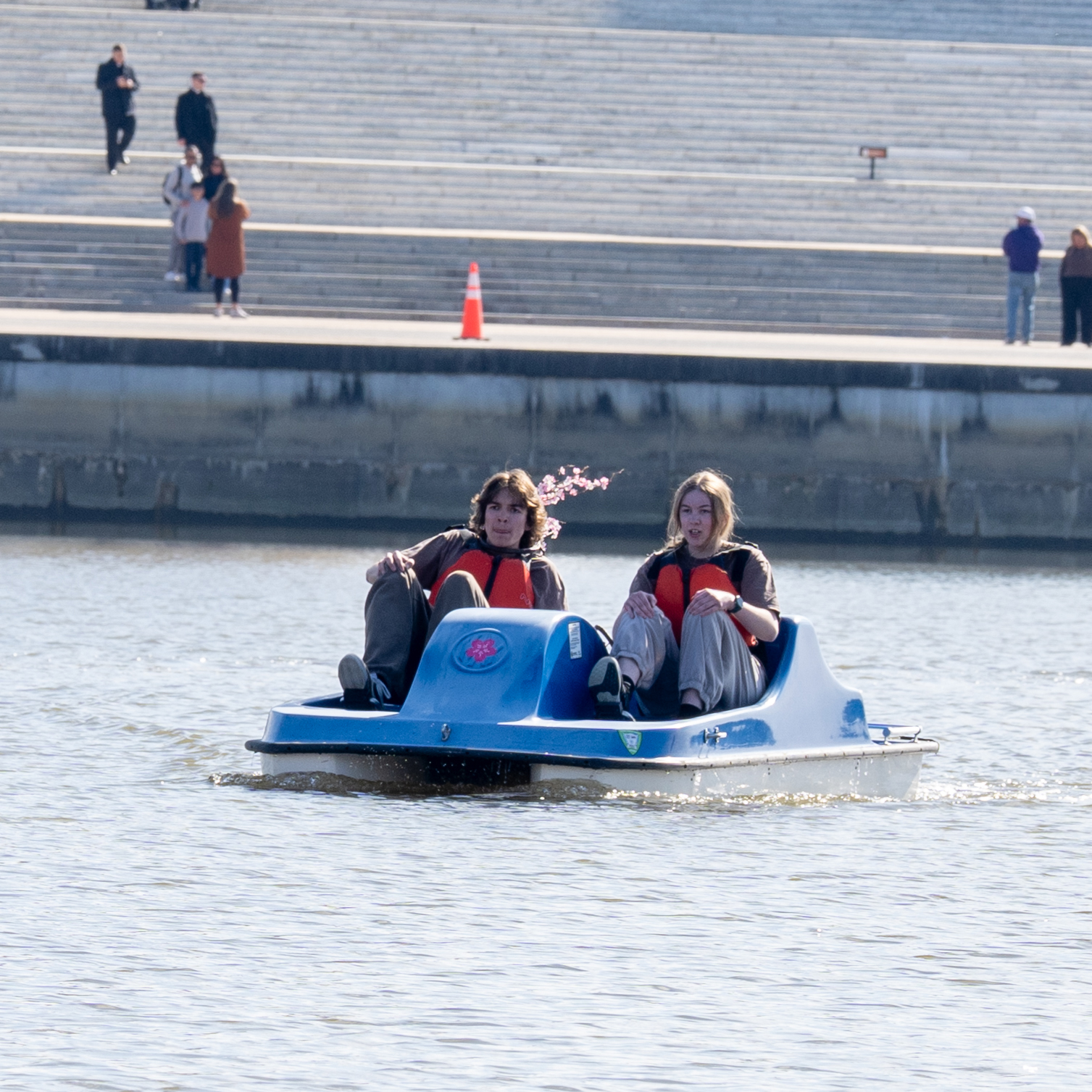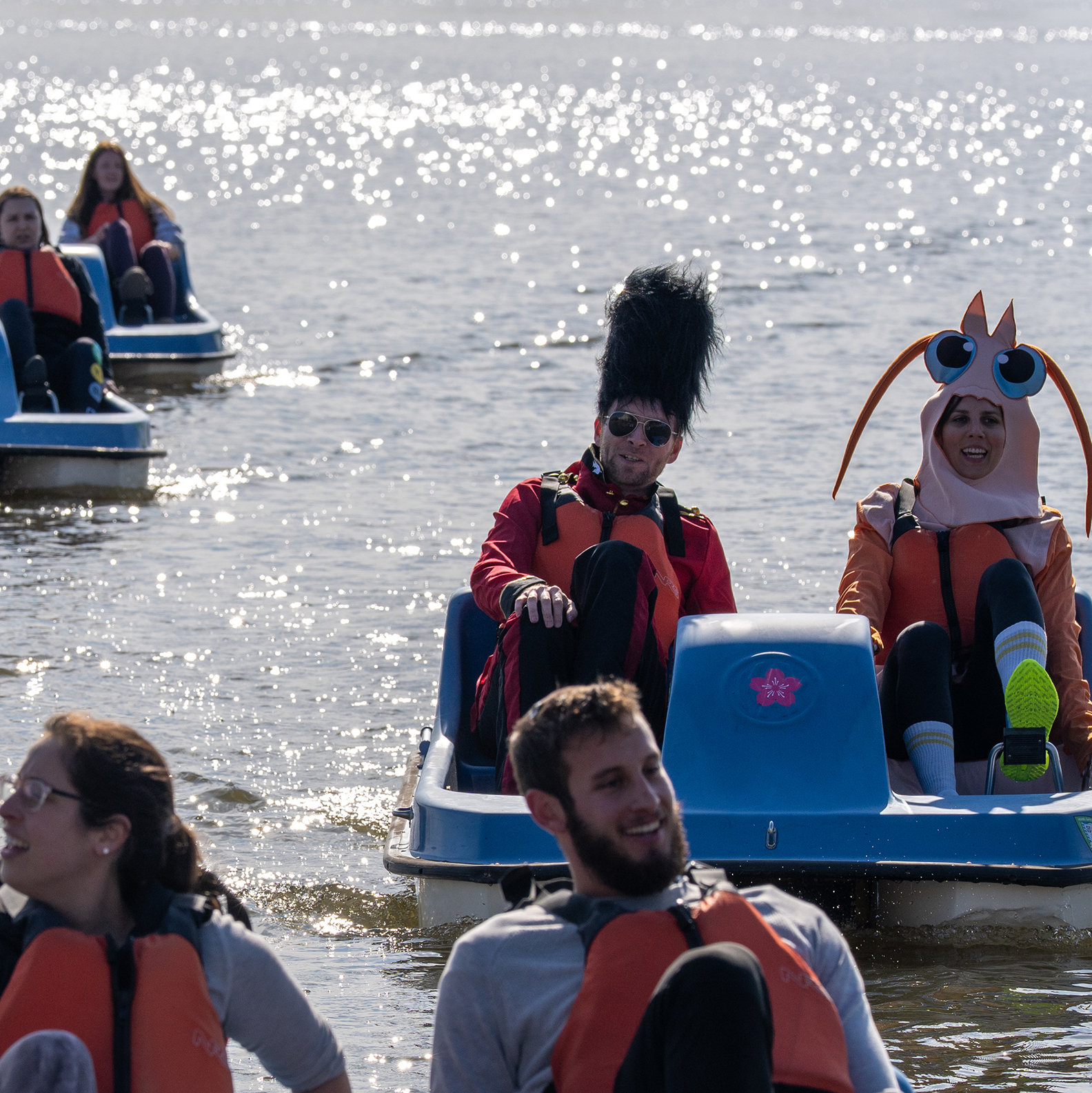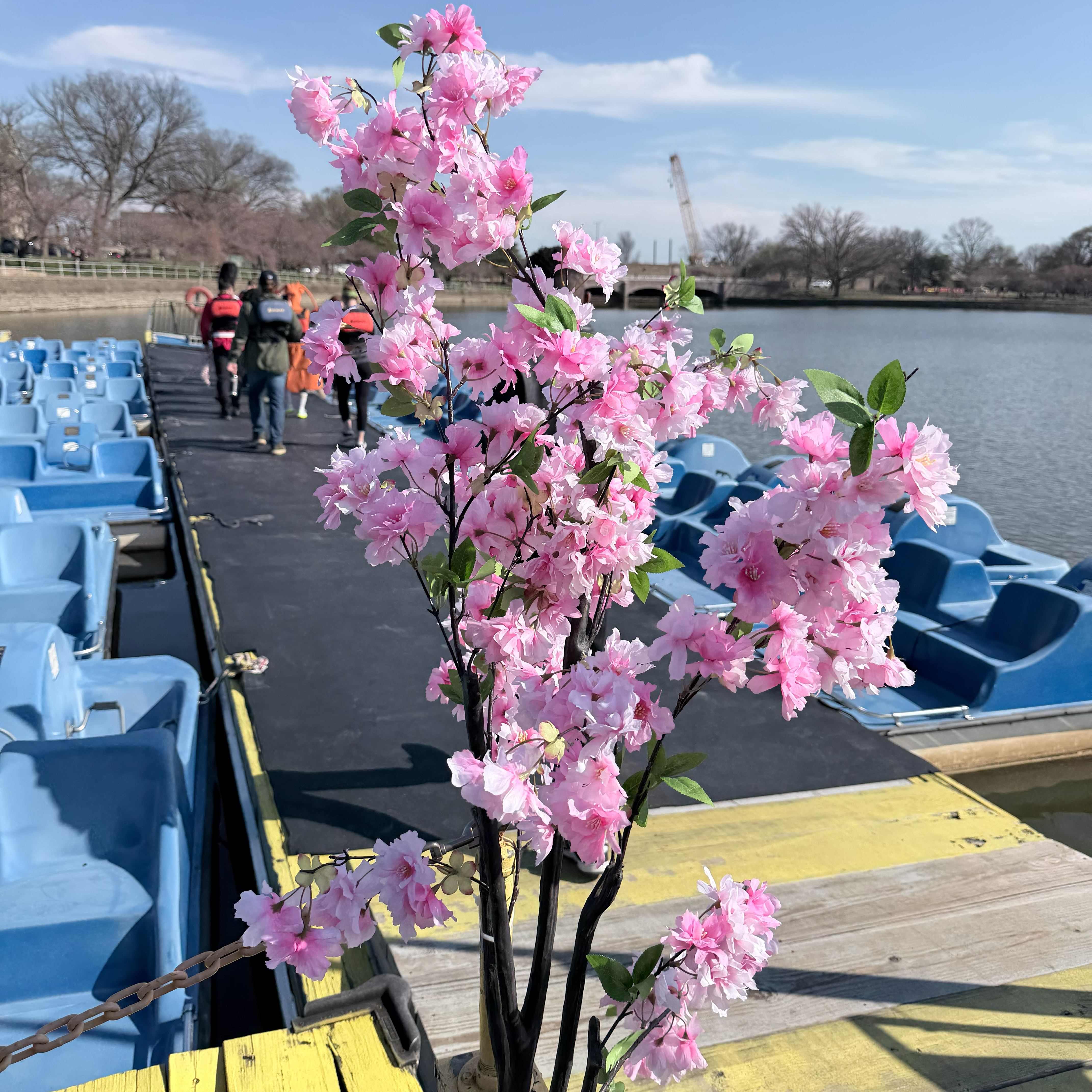
Washington does not need another ordinary spring event, and Stumpy’s Petals & Paddles Race clearly understands that. Held on Thursday, March 19, 2026, from 4 to 7 pm at the Tidal Basin Boathouse, the second annual race turned one of the city’s prettiest postcard settings into a pedal-powered mix of costume parade, fundraiser, and outright competition. It was part of the National Cherry Blossom Festival, free for spectators, and built around timed heats on the water with prizes for speed and style. Half of the net proceeds supported the Trust for the National Mall Cherry Tree Endowment Fund, tying the fun directly to care for the very trees that make the basin famous
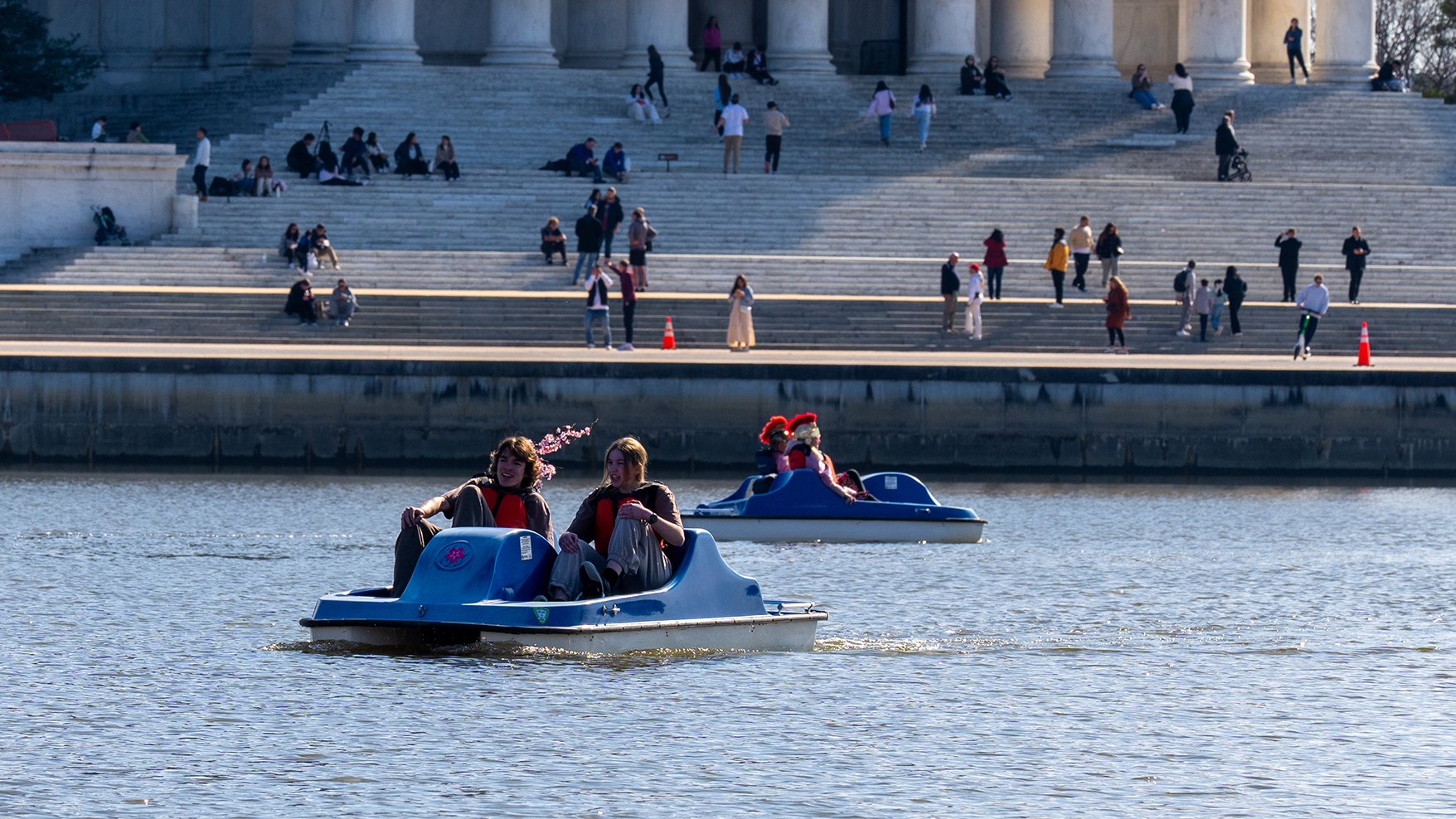
What makes the race work is that it is not pretending to be something bigger or grander than it is. It is a smart, very DC event: scenic, a little absurd, highly photogenic, community-friendly, and anchored to a real preservation cause. Competitors pedal past the blossoms and monuments, round a buoy near the Jefferson Memorial, and push back along the basin with spectators cheering from shore. The format is simple, which is exactly why it works.
Why “Stumpy” Still Matters
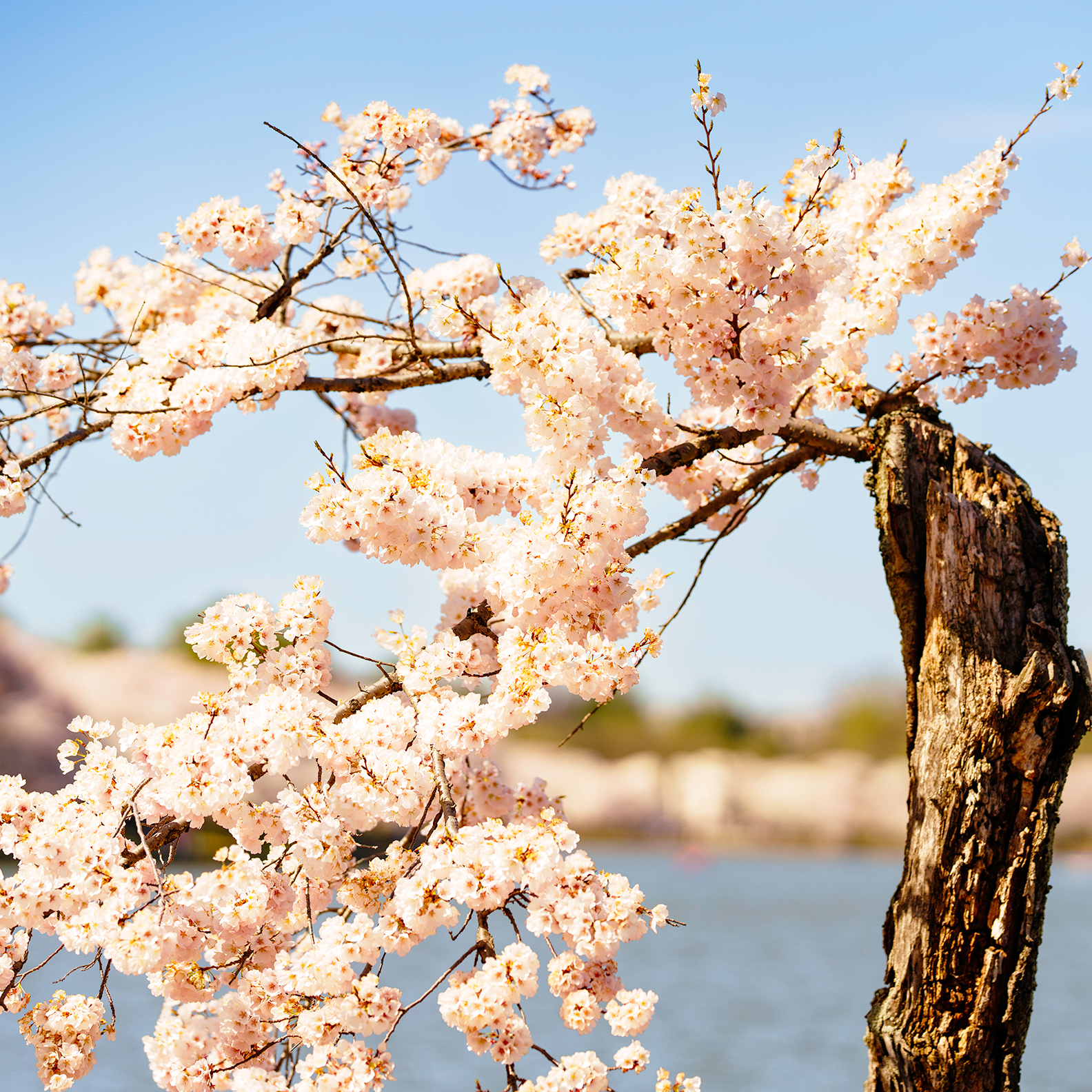
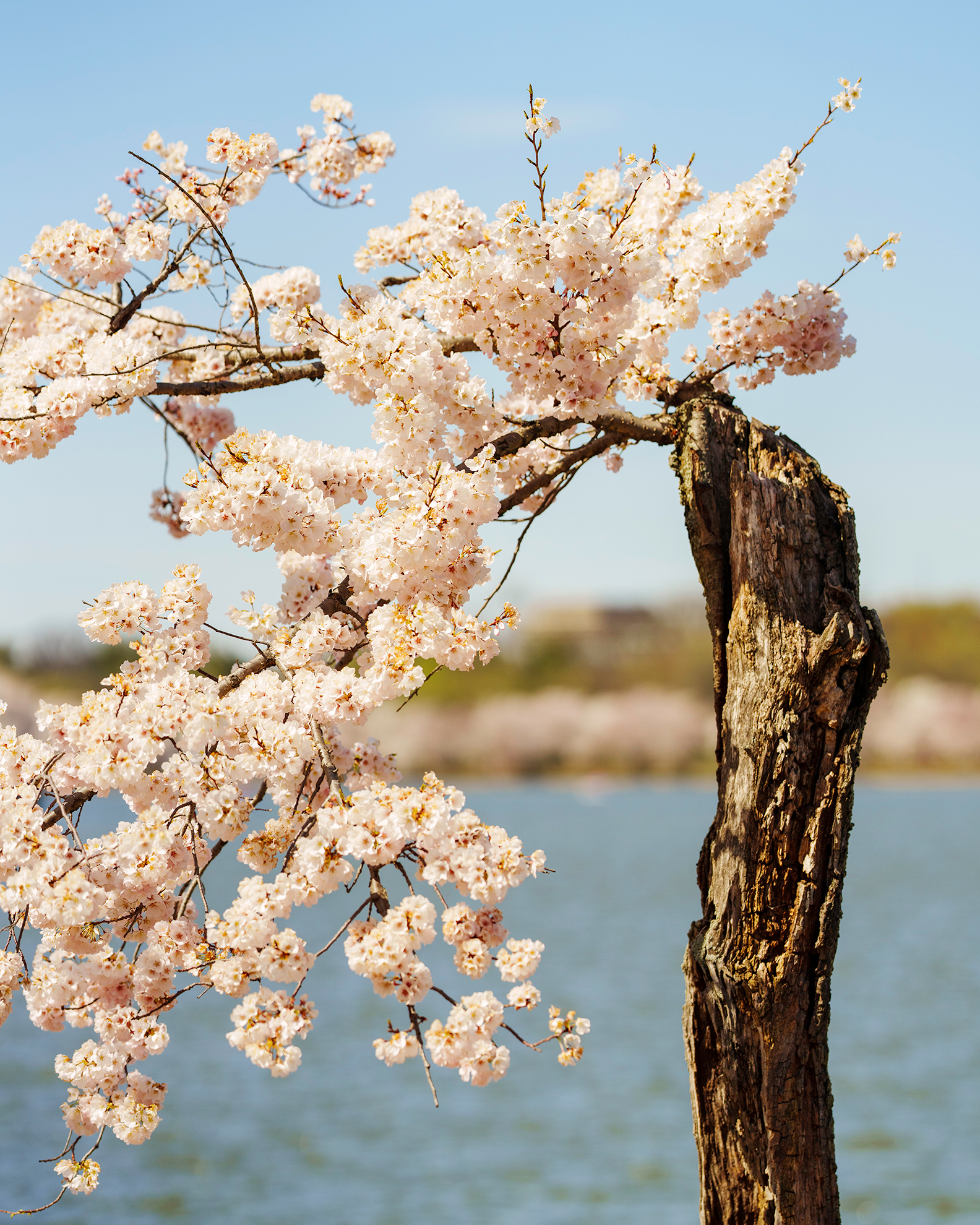
The event’s emotional hook is obvious. It is named for Stumpy, the knotted, battered little cherry tree that became a local folk hero before being removed during the Tidal Basin seawall rehabilitation project. Stumpy’s appeal was never about perfect beauty. It was about resilience. That turned a misshapen tree into a symbol, and organizers leaned into that symbolism instead of letting it disappear with the tree itself. Guest Services’ Chris Bloyer said Stumpy represented “saving the trees” and “protecting the future of the trees,” which is the real logic underneath the event branding.
That story also fits the larger history of the season. The National Cherry Blossom Festival commemorates Japan’s 1912 gift of cherry trees to Washington and celebrates the long friendship between the United States and Japan. The modern festival now spans weeks and draws well over a million visitors. Stumpy’s race is new, but it plugs neatly into that tradition by turning admiration for the blossoms into direct support for their long-term care.
The Race Format: Friendly, Fast, and Built for Spectacle
The 2026 edition was structured around timed heats. According to the official race details, there were six timed heats, up to 16 boats per heat, and a course that sent racers toward the Jefferson Memorial, around a buoy, and back along the east side of the basin. Teams entered for $100 per boat for two people, with extra teammates allowed for an added fee. Spectators paid nothing, which matters, because this event is just as entertaining from shore as it is from the water.
The categories were built for exactly the right tone. This was not just a straight athletic contest. The race featured awards for fastest participants and best-dressed teams, which meant everyone had a lane. Hardcore racers could chase the clock. Costume teams could chase attention. Casual participants could do both badly and still have a good time. That kind of programming is what keeps an event from becoming stale after year one
The Prizes: Not Huge, But Smart
The prizes were modest, but they were pitched correctly. Official race materials advertised a $50 Boating in DC gift card for Best Team Costume, another $50 gift card for the fastest time in each heat, and a 2026 Boating in DC Season Pass for the fastest overall team. Washington.org also promoted the event with the same basic prize structure and noted early-registration discounts before race day. That is enough incentive to make teams care without turning the evening into something too serious or joyless.
That prize setup also reveals what the organizers were actually selling: not cash, not prestige, but participation, silliness, and a reason to come back to the water. That is good event design. A pedal-boat race with giant cash prizes would be ridiculous for the wrong reasons. This stayed in the sweet spot.
The Winners: Team Stumpy Takes the Crown
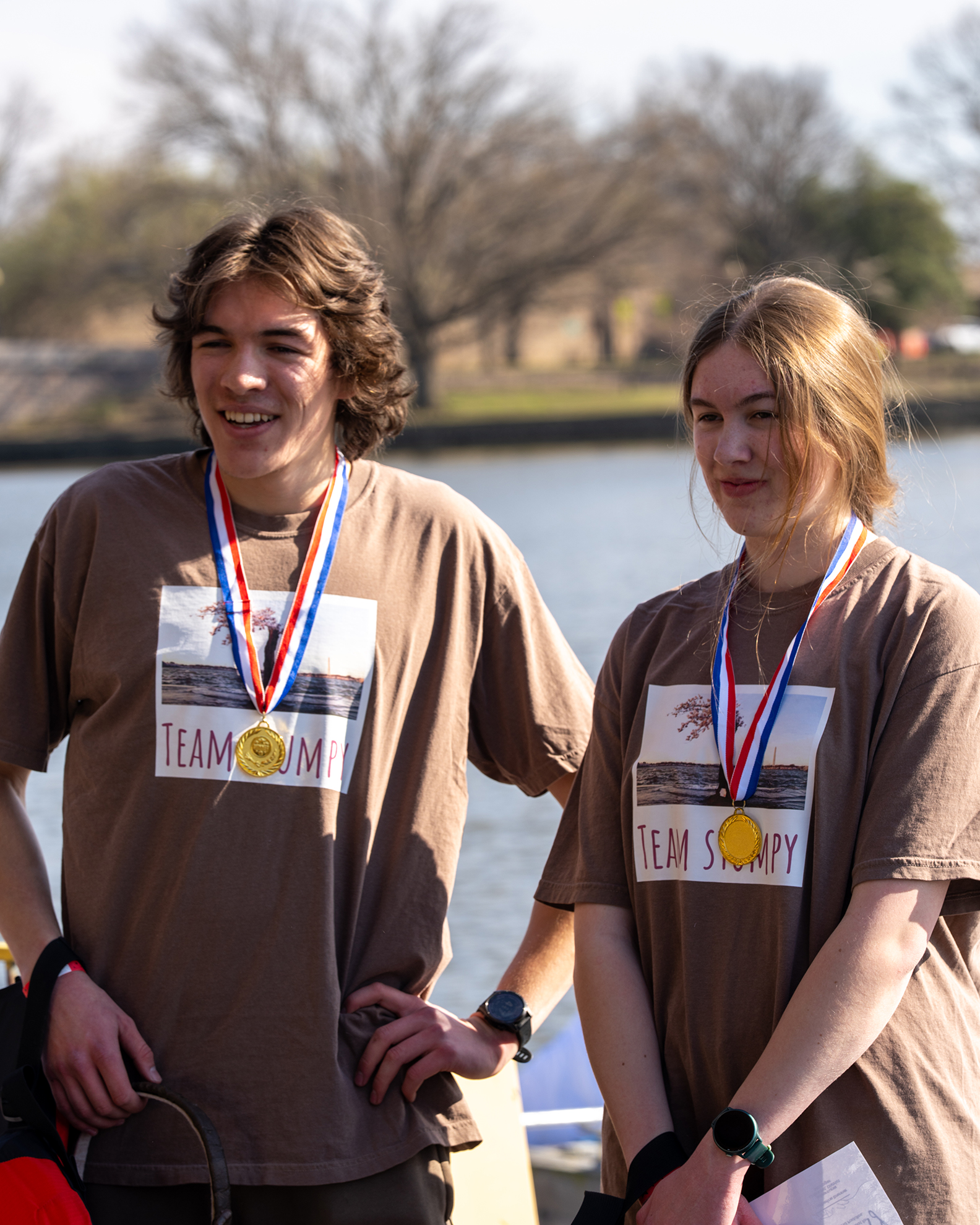
And The Winners Are...
Go Team Stumpy
That result feels almost too on-brand. The team named after the race’s beloved mascot winning the event is exactly the kind of ending organizers dream of and PR people never shut up about afterward. It gave the second annual race a clean narrative: Stumpy may be gone from the basin, but Stumpy still wins on the basin.
What the Field Looked Like
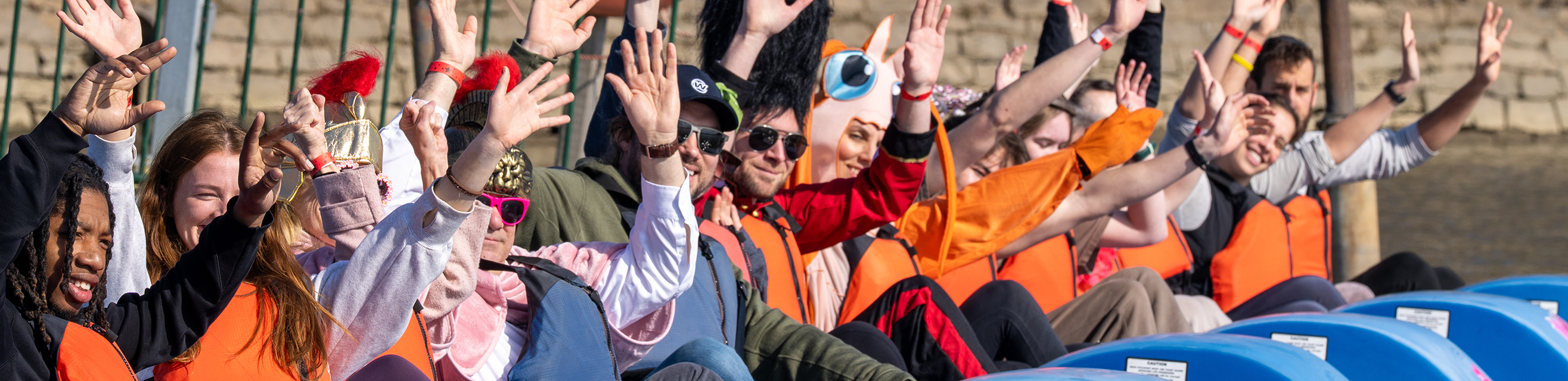
The event seems to have attracted the right mix of people: locals, visitors, competitors, and costume-first participants. Coverage and social posts pointed to themed outfits, playful team identities, and a “wet and wild sunset race” atmosphere. WUSA’s recap highlighted teams such as the Cherry Spartans, showing that many racers arrived with actual concepts rather than just showing up in street clothes and hoping for the best. Trust for the National Mall and festival social posts also emphasized themed costumes and strong turnout energy.
A Quick Look Back at the Inaugural Race
The 2025 debut gave the event its proof of concept. According to Washington Post coverage, the first race drew about 100 participants, featured teams like the Filibuster Floats and Pedaling Pandas, awarded heat winners and a best costume prize, and ended with siblings Nofar and Aitan Erlichman of Team Jack and Jill taking the overall title. That inaugural edition established the formula: quirky team names, friendly competition, light absurdity, and a direct preservation message.
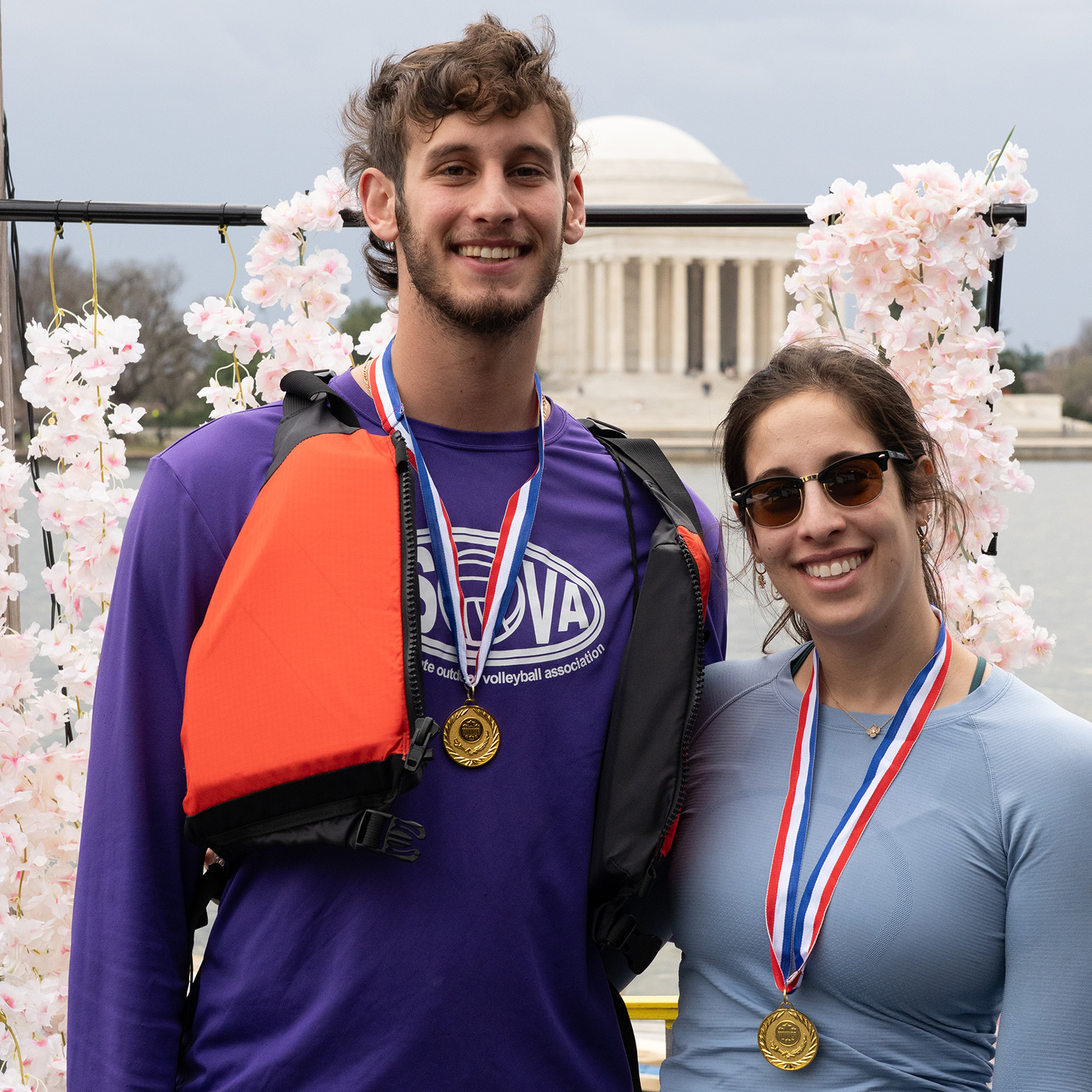
The 2026 race did not radically change that formula because it did not need to. It simply doubled down on what already worked. That was the correct move. Too many events ruin themselves by overcomplicating year two. This one stayed legible.
The Bigger Takeaway
The smartest thing about the 2026 Opening Ceremony is that it did not try to shrink the Festival into one mood.
- It had tradition without turning antique.
- It had diplomacy without sounding bureaucratic.
- It had local Washington credibility without becoming provincial.
- And it had performance that ranged from ritual sword dance to contemporary choreography to mainstream vocal music without feeling stitched together by committee.
That is hard to pull off. Most civic ceremonies fail because they are either too stiff or too eager to be entertaining. This one, at least on paper and in structure, aimed for substance first and spectacle second. That is why it worked.