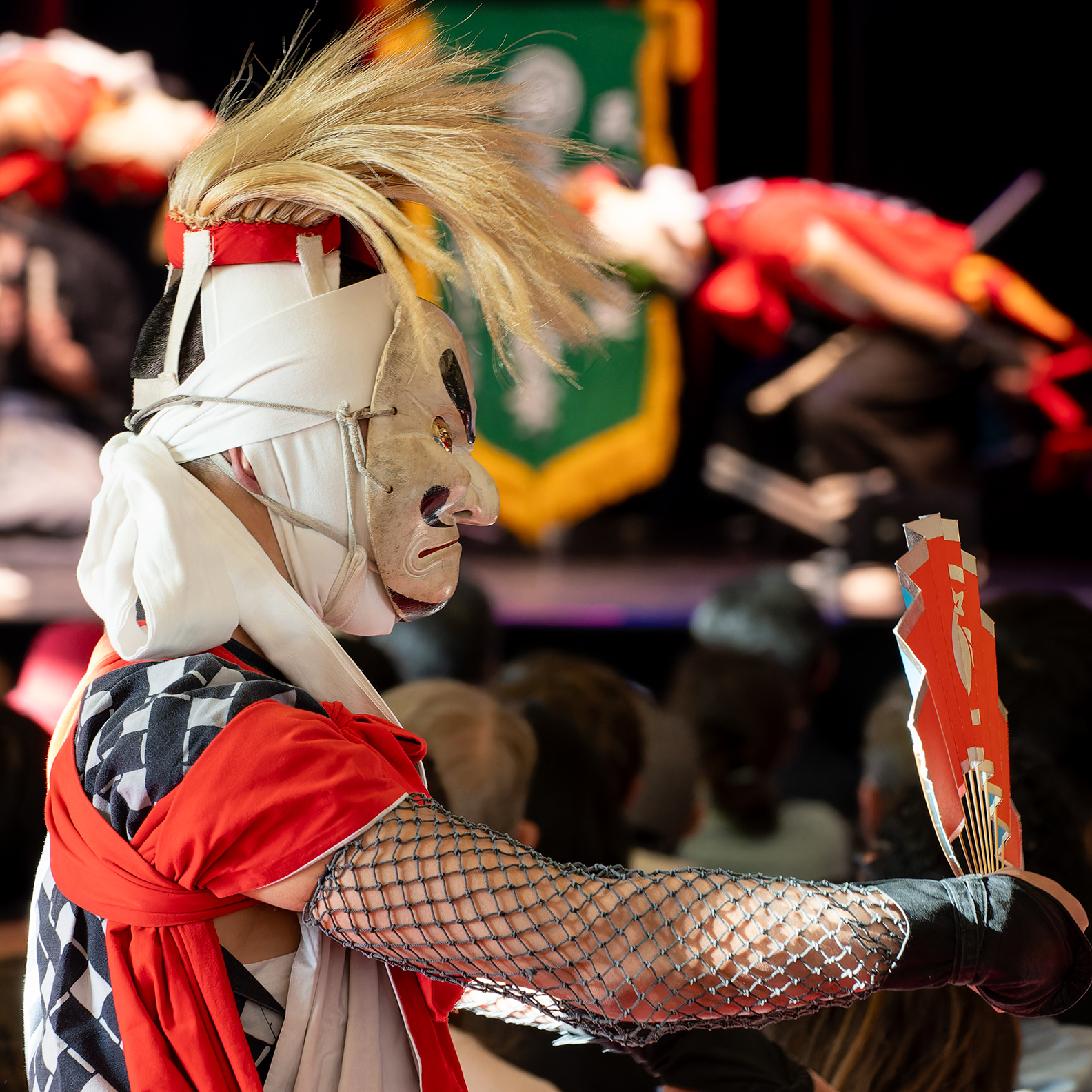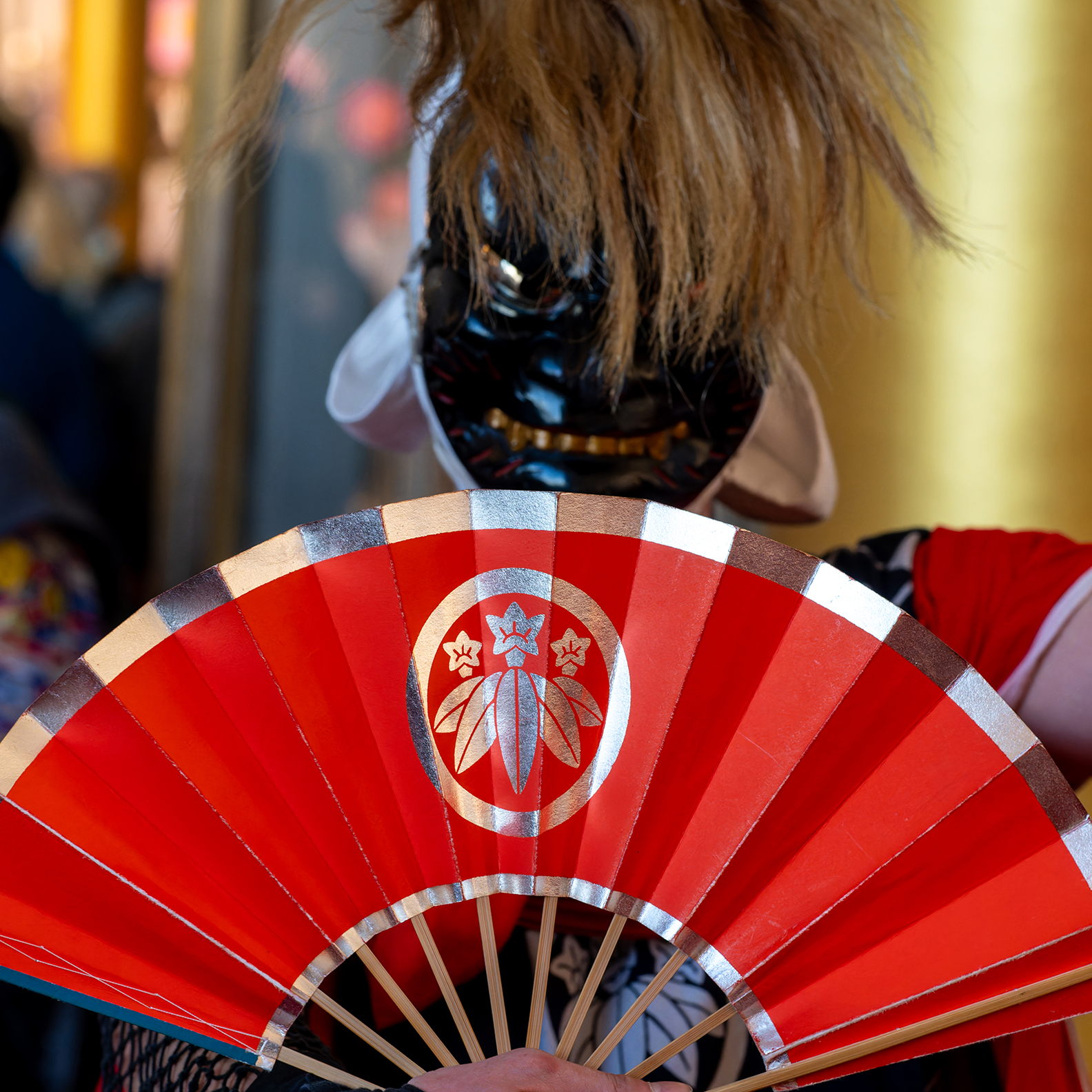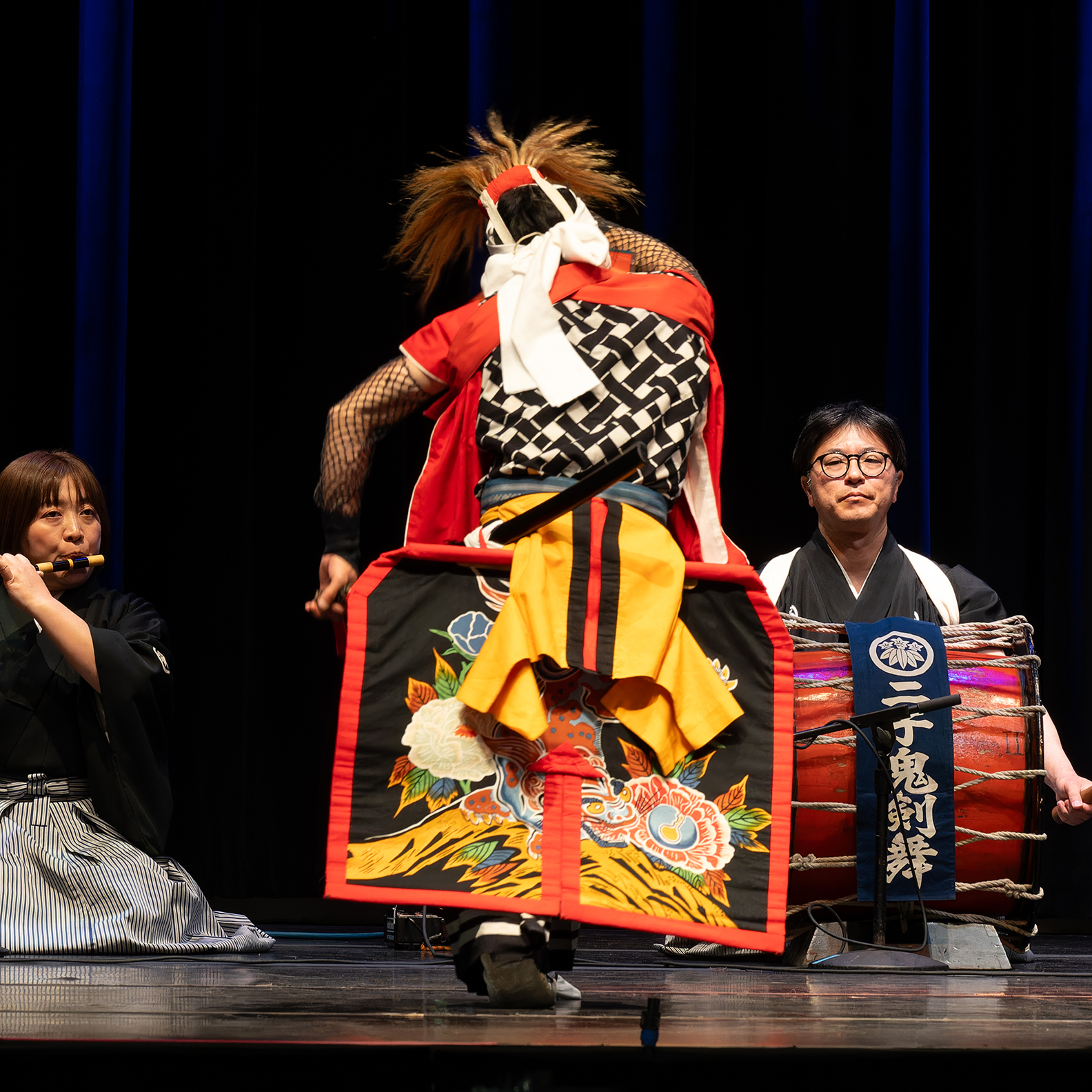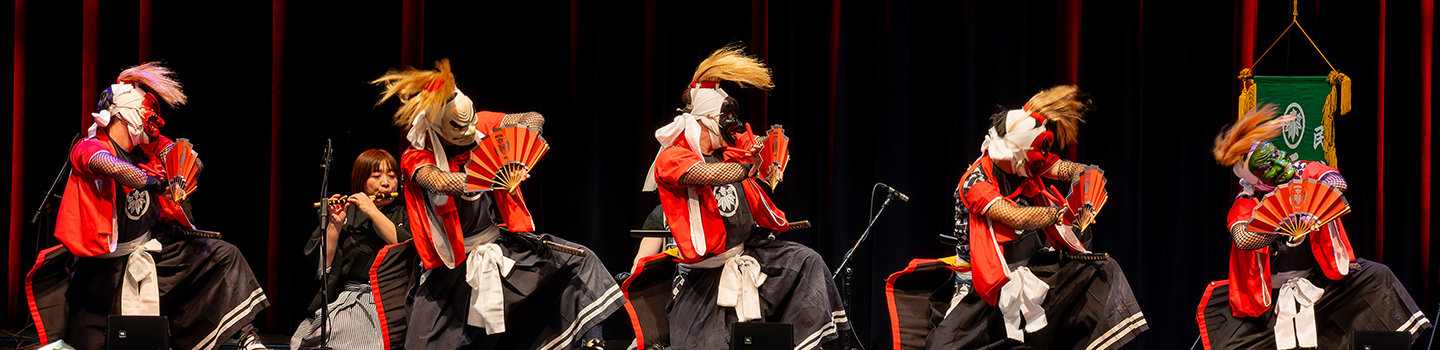
On March 19, 2026, the Kennedy Center’s Millennium Stage did not simply host a dance performance. It hosted a ritual of movement, sound, masks, and memory.
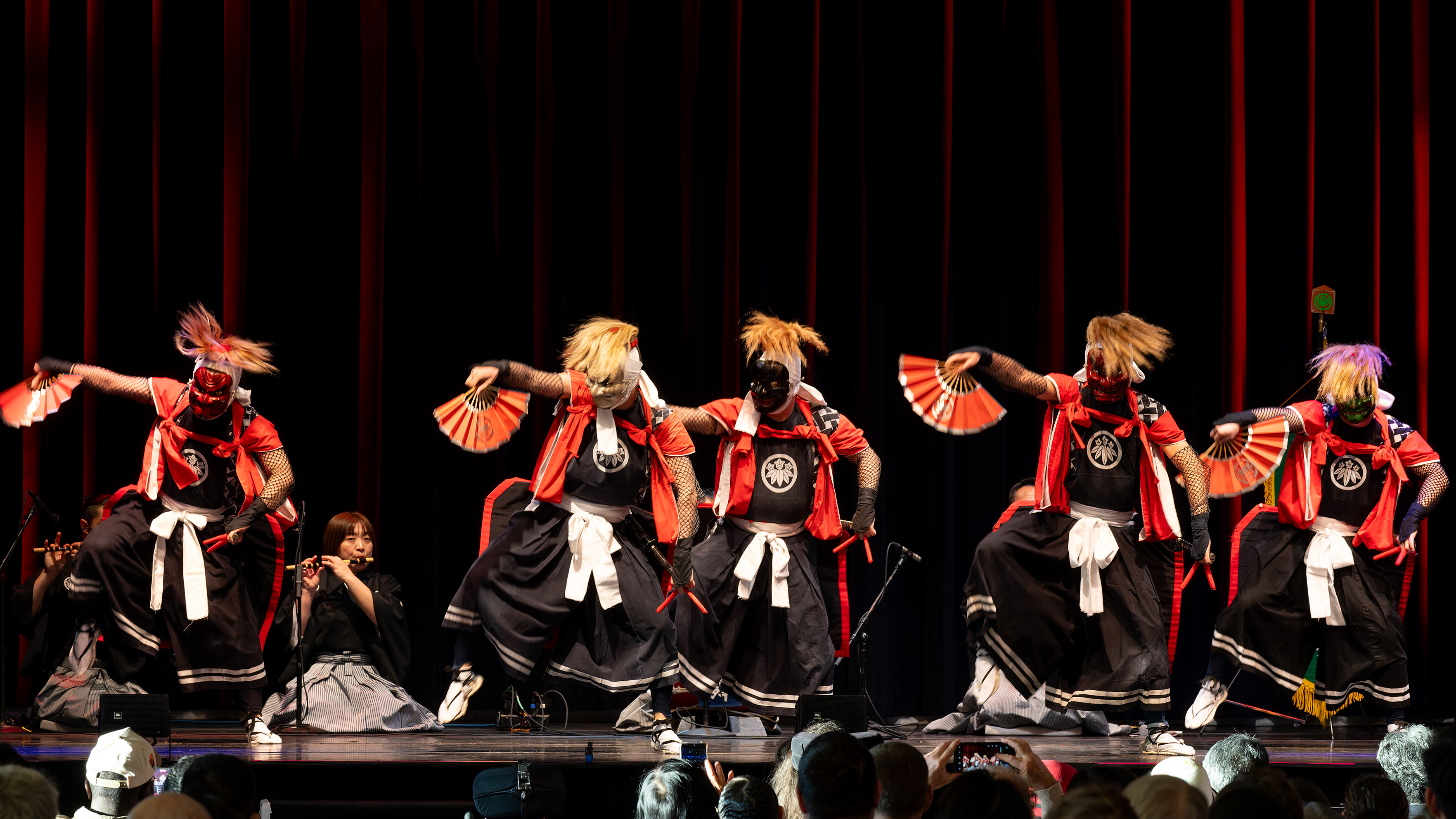
Futago Oni Kenbai appeared in Washington, DC, as part of the National Cherry Blossom Festival season, performing from 6 to 7 p.m. at the Kennedy Center’s Millennium Stage. The program introduced audiences to Oni Kenbai, a Buddhist performing art originally known as Nenbutsu Kenbai, in which dancers chant Buddhist prayers while performing movements meant to honor the dead, pray for peace, and drive away evil.
It was a powerful choice for cherry blossom season. The blossoms bring softness to Washington each spring, but Futago Oni Kenbai brought something more ancient and forceful: the feeling of protection, remembrance, and spiritual discipline carried through the body.
A Rare Cultural Moment in Washington
The National Cherry Blossom Festival is often photographed through its prettiest symbols: pale pink trees, crowds at the Tidal Basin, spring fashion, and postcard views of the monuments. But the deeper meaning of the season is cultural exchange. The festival exists because of the long relationship between Japan and the United States, and its strongest moments are not always the largest spectacles. Sometimes they are the performances that make audiences stop, look harder, and realize they are witnessing something with roots far older than the festival itself.
Futago Oni Kenbai’s Millennium Stage performance was one of those moments.
This was not a decorative dance added to a spring calendar. Oni Kenbai belongs to the folk performing arts of Iwate Prefecture in northeastern Japan, especially connected to the Kitakami and Oshu areas. The Japan Foundation noted that Futago Oni Kenbai preserves a traditional performing art from Kitakami and Oshu and that Oni Kenbai is recognized within UNESCO’s Intangible Cultural Heritage “Furyu-odori” dances.
That matters. When a group like Futago Oni Kenbai steps onto a stage in Washington, it is not simply presenting entertainment. It is carrying a regional tradition across an ocean and placing it in direct conversation with a modern American audience.
What Is Oni Kenbai?
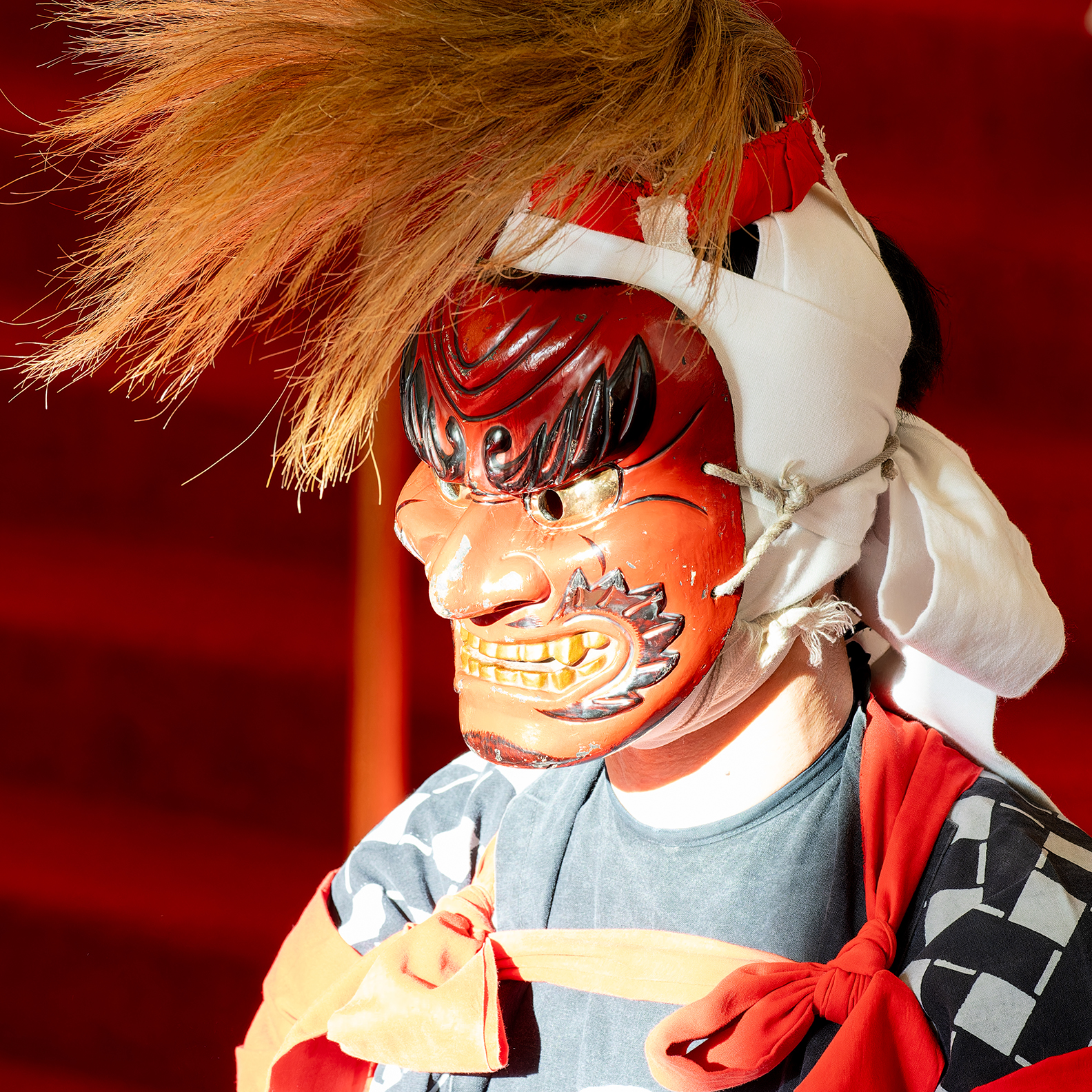
Oni Kenbai is often translated as “demon sword dance,” but that phrase needs care. In English, “demon” can sound purely frightening or evil. In this tradition, the masked figures are more complicated. The masks are fierce, but the purpose is protective. The dance is associated with prayer, Buddhist ritual, and the symbolic driving away of evil forces.
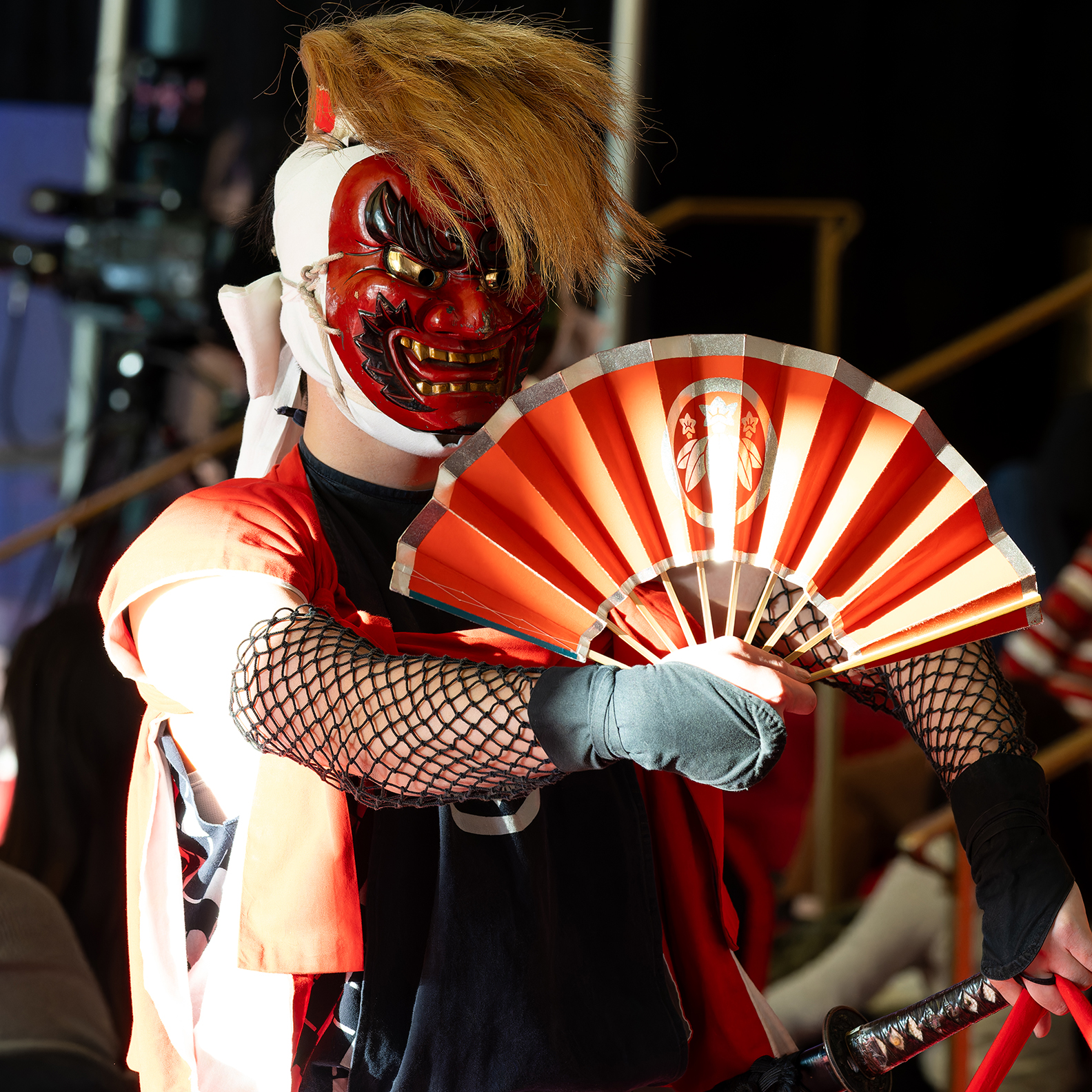
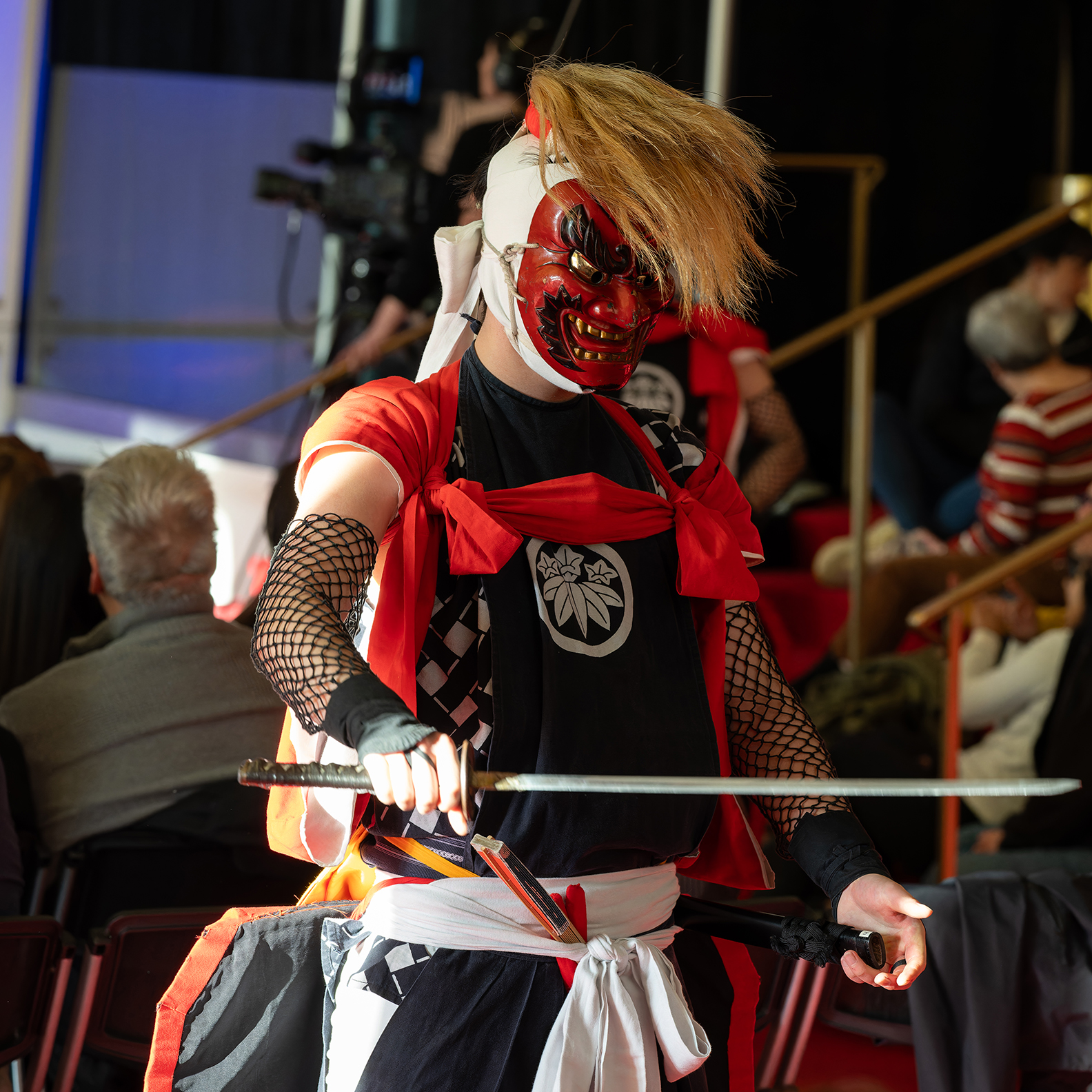
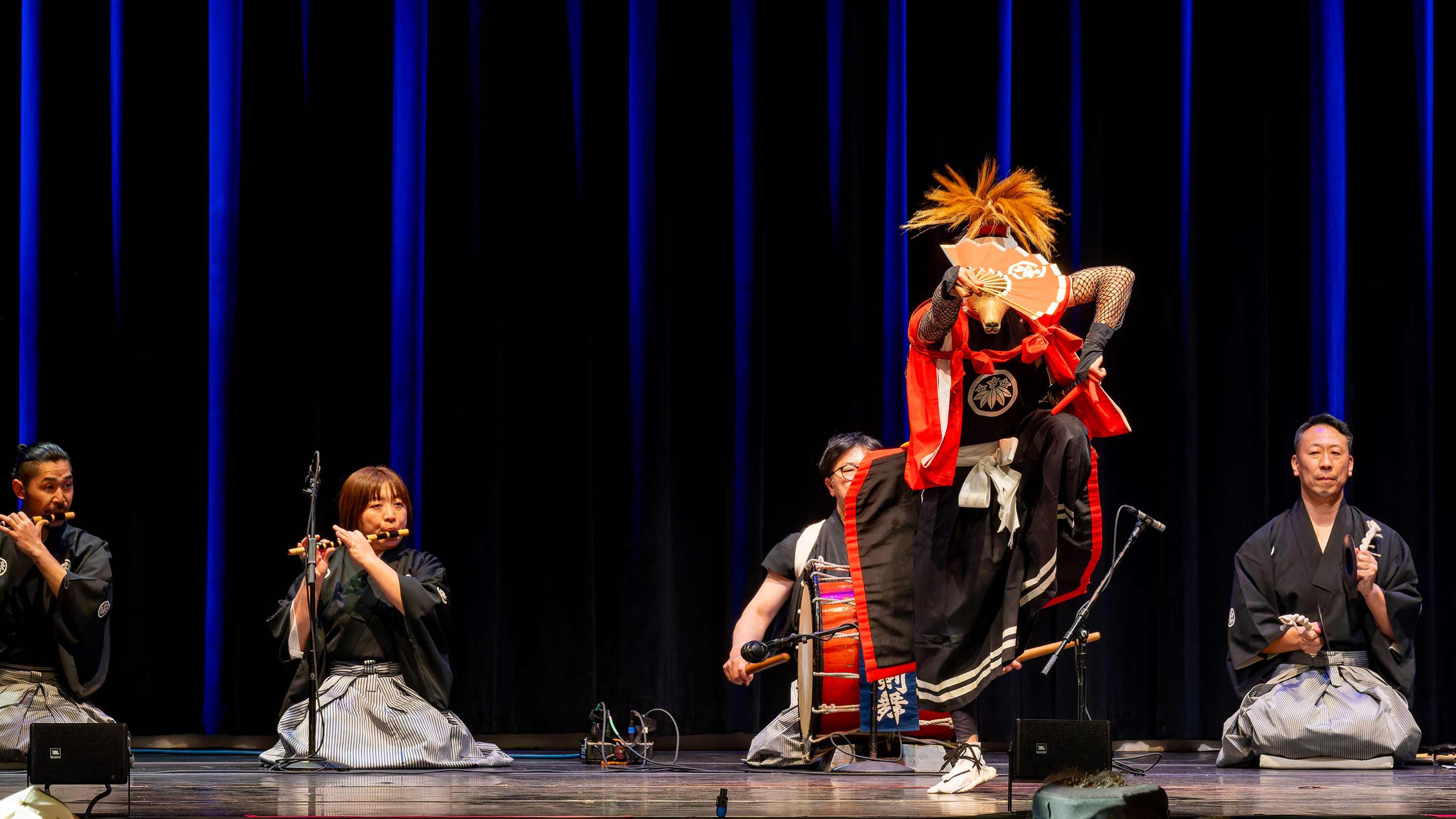
The Kennedy Center described Oni Kenbai as a Buddhist performing art originally called Nenbutsu Kenbai, with dancers chanting Buddhist prayers while performing. Other cultural sources describe the form as a dynamic Iwate tradition in which dancers wear fierce masks and move with swords to the rhythm of drums and flutes, creating a performance that is spiritual, martial, and theatrical at the same time.
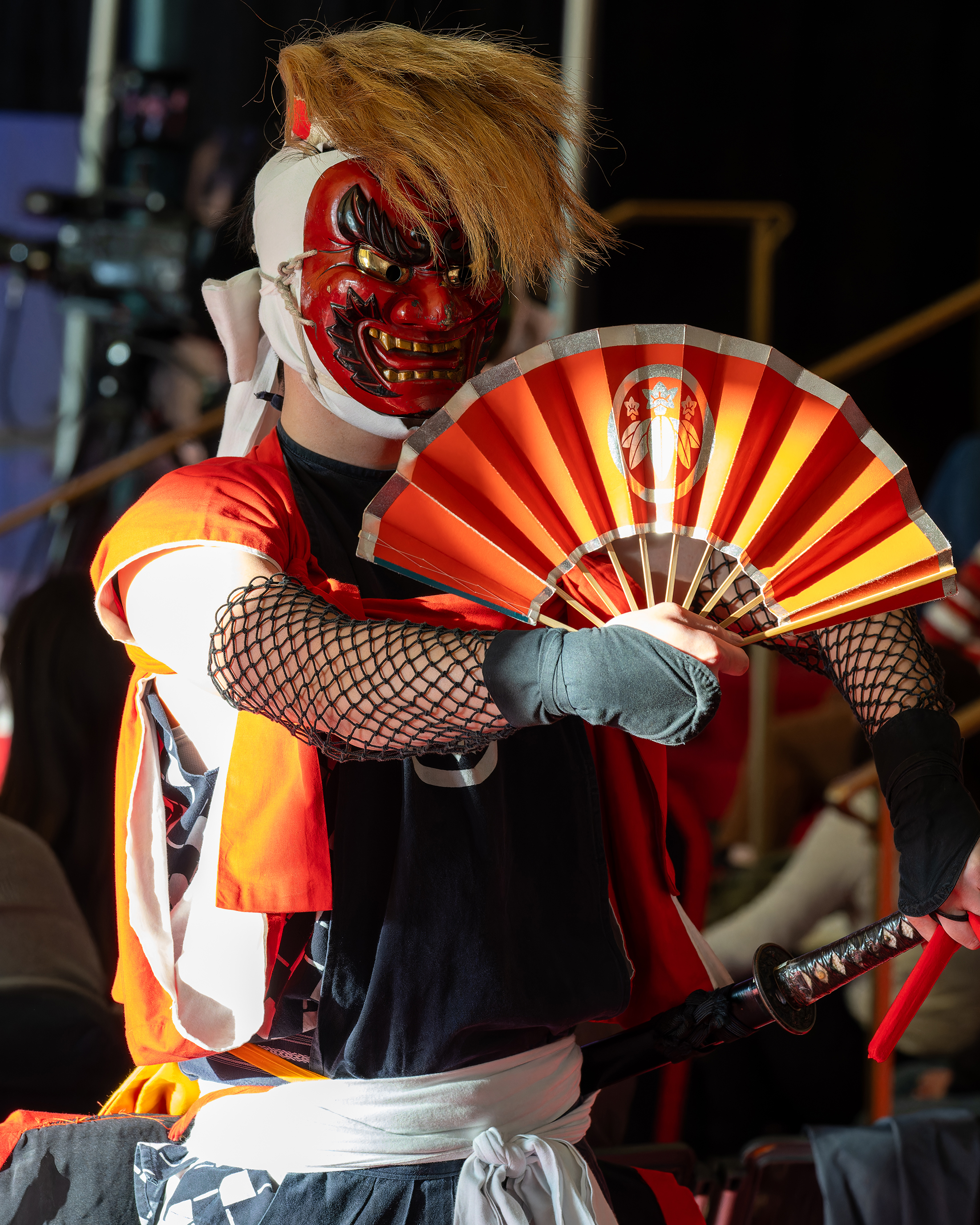
That combination is what makes Oni Kenbai so visually arresting. The masks command attention immediately. The swords add danger and precision. The chanting and music create an atmosphere that feels ceremonial rather than casual. The movement is controlled, but never sleepy. It has weight. It has urgency. It asks the audience to meet it seriously.
The Power of the Mask
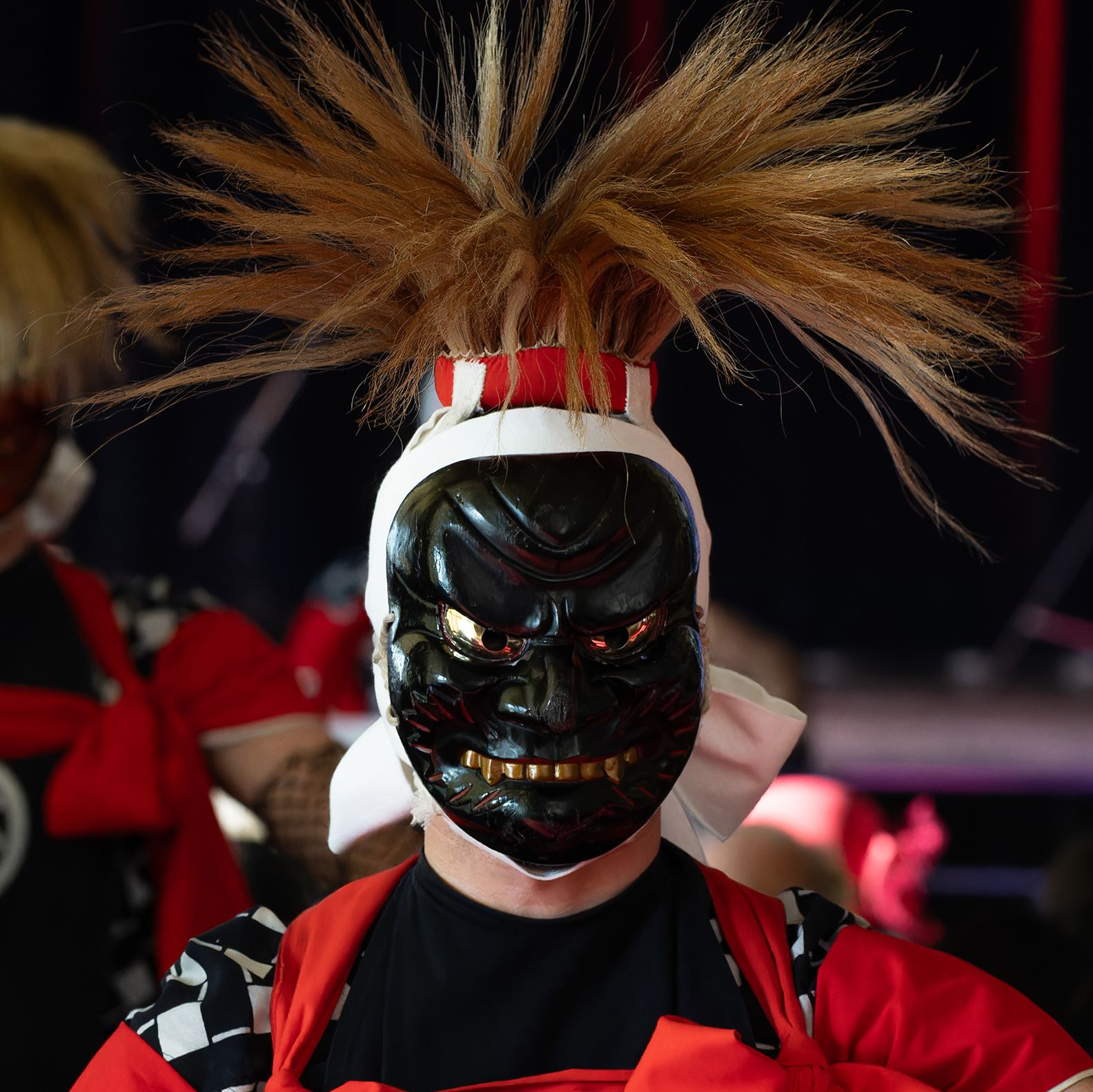
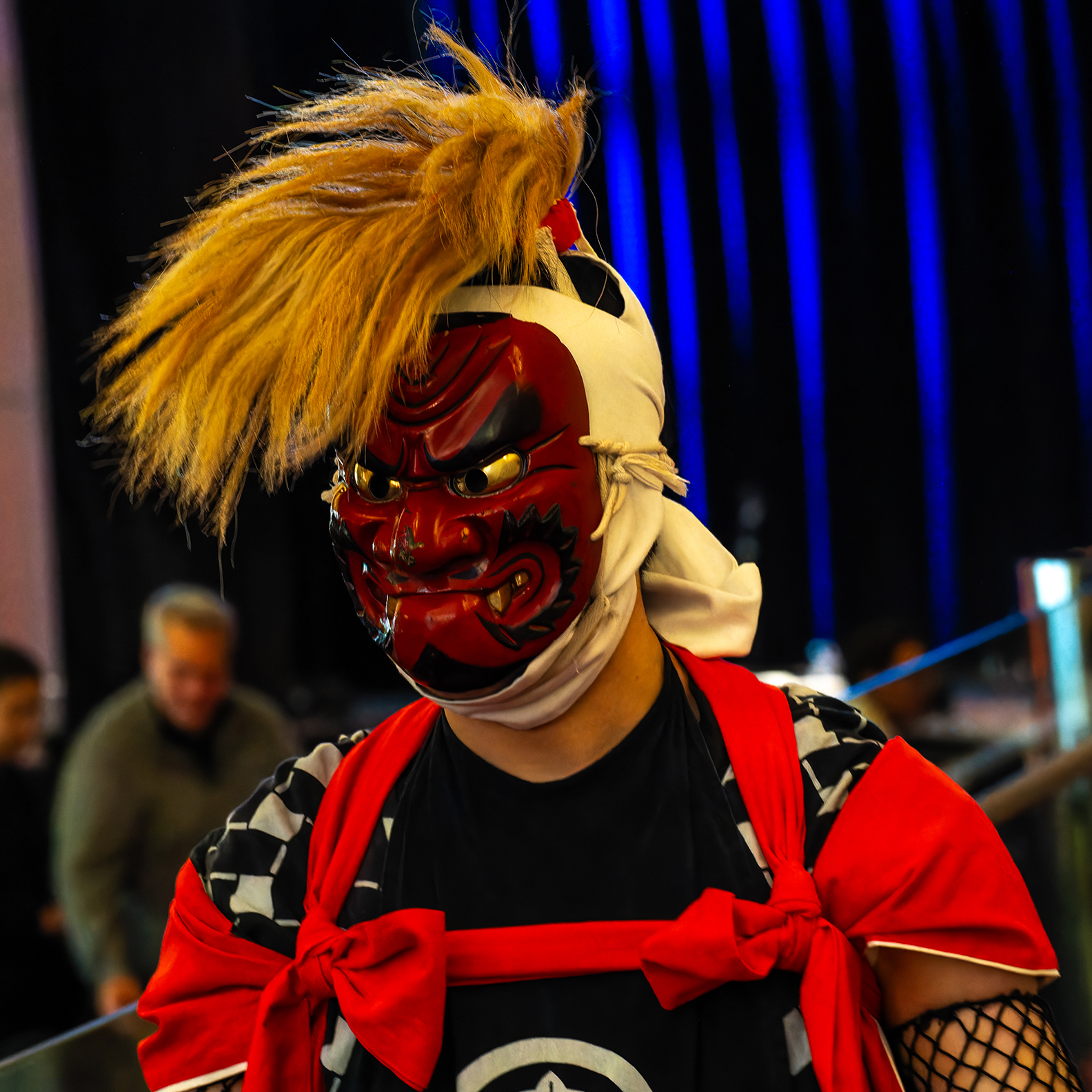
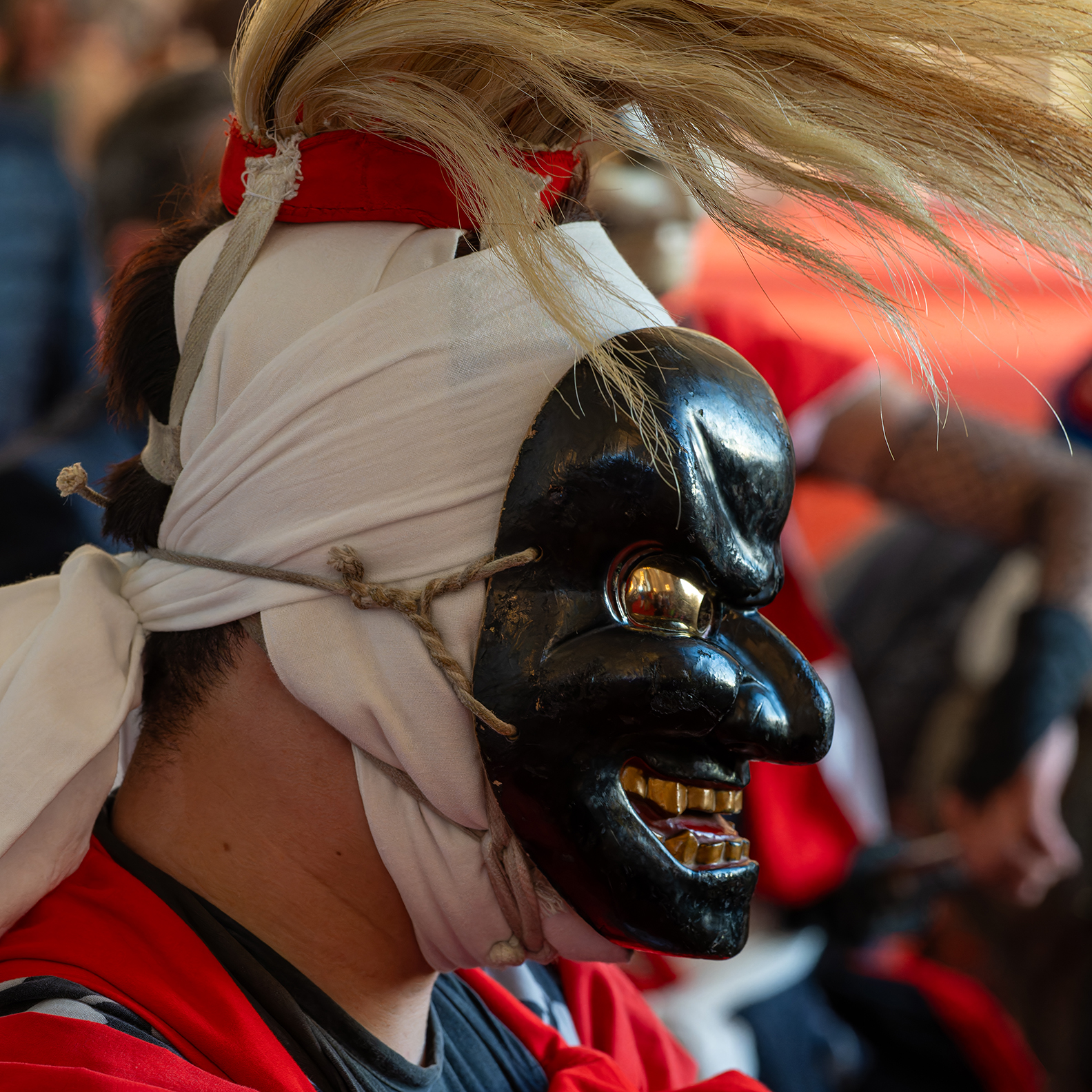
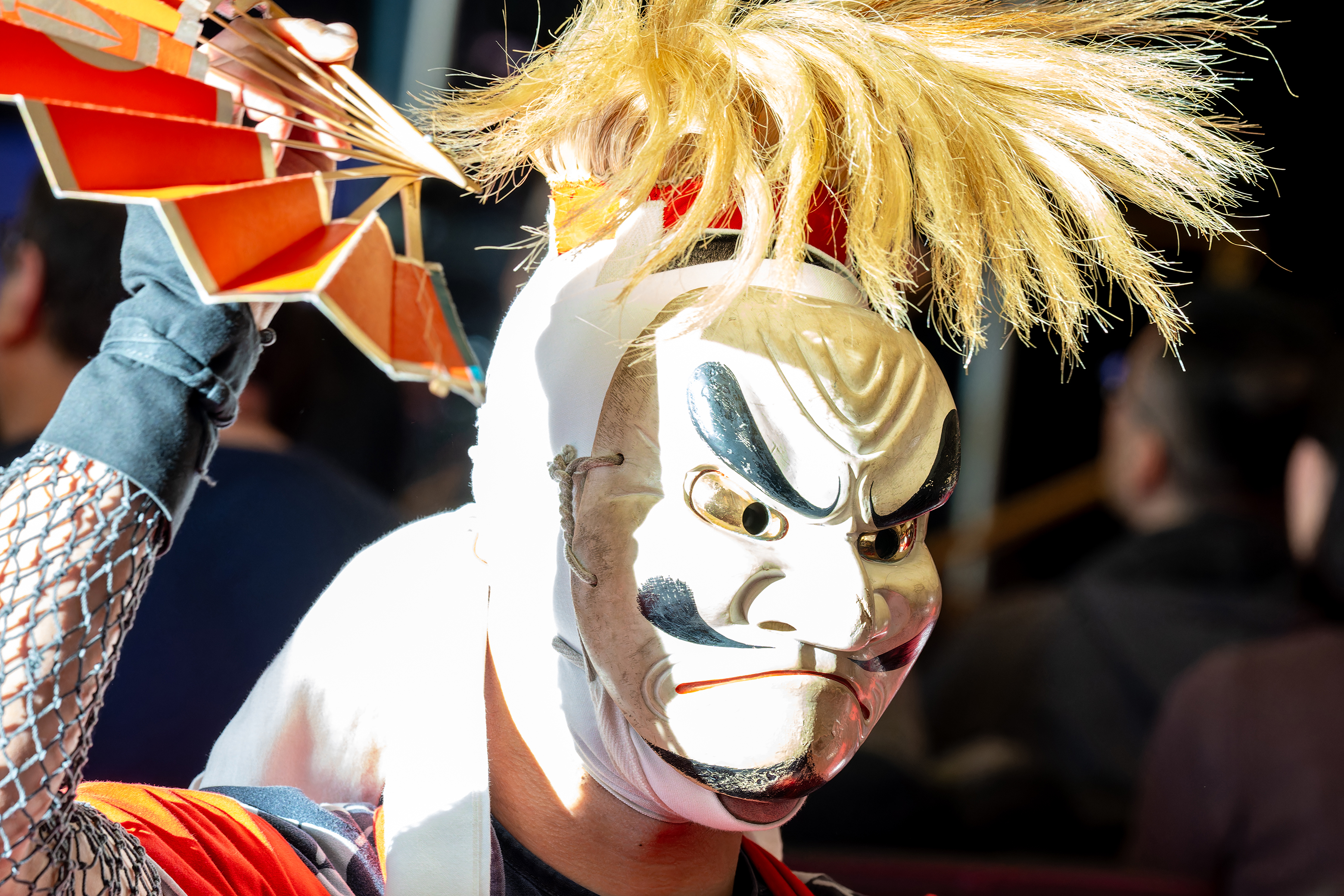
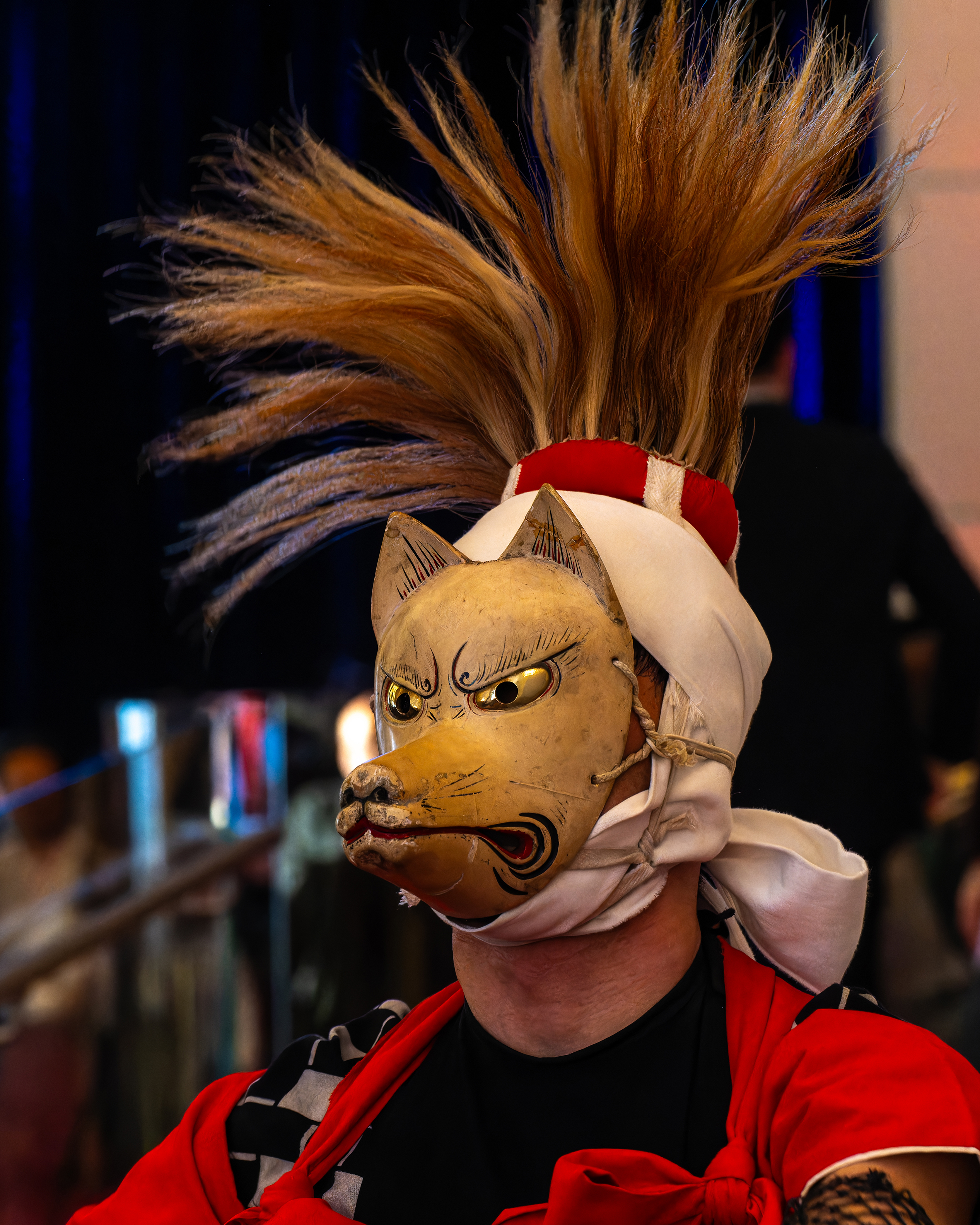
The mask is the first thing many viewers notice.
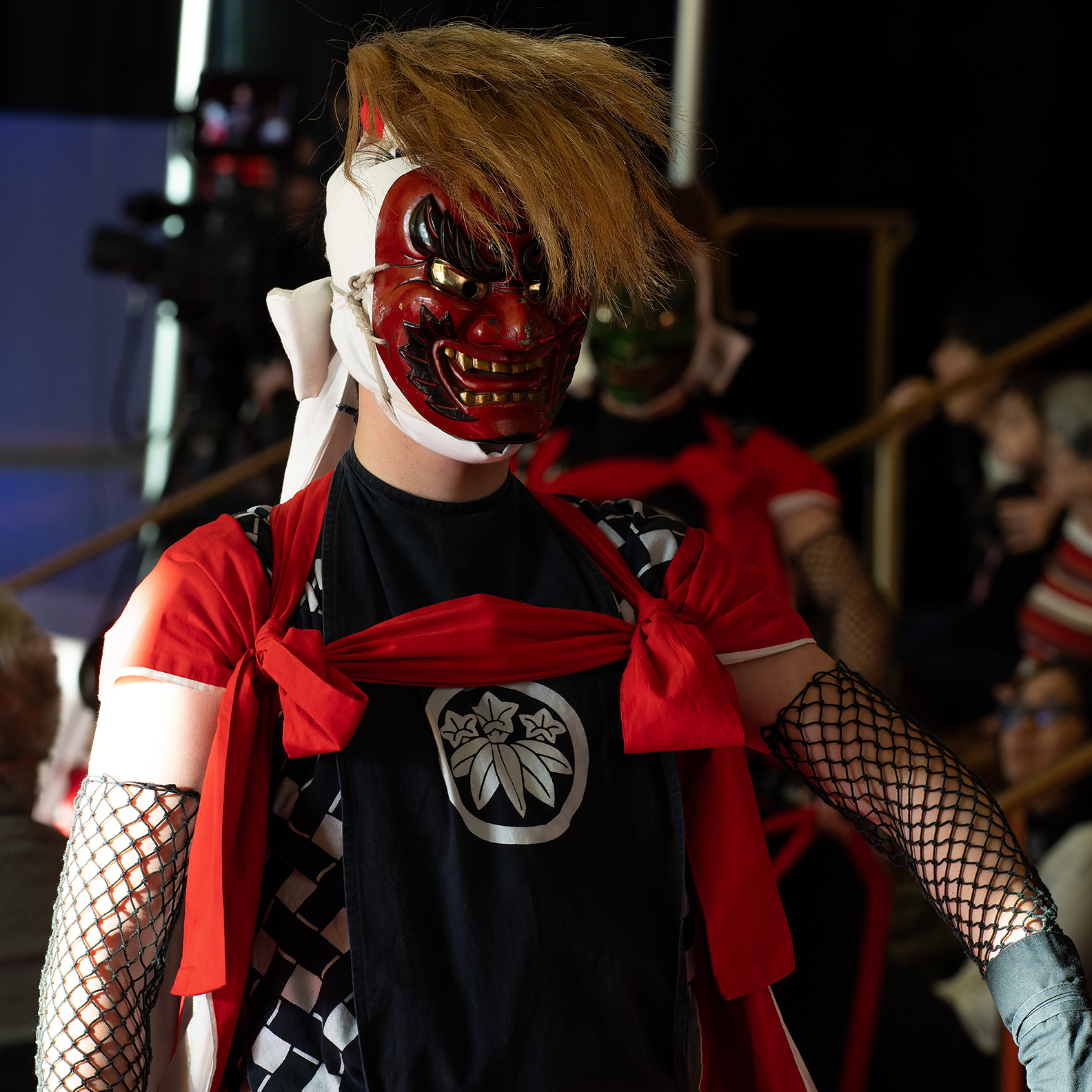
In a Washington performance environment filled with polished concerts and contemporary dance, the Oni Kenbai mask brings a different kind of authority. It is not designed to flatter the performer’s face. It is designed to transform the performer. The dancer becomes a figure larger than the individual body.
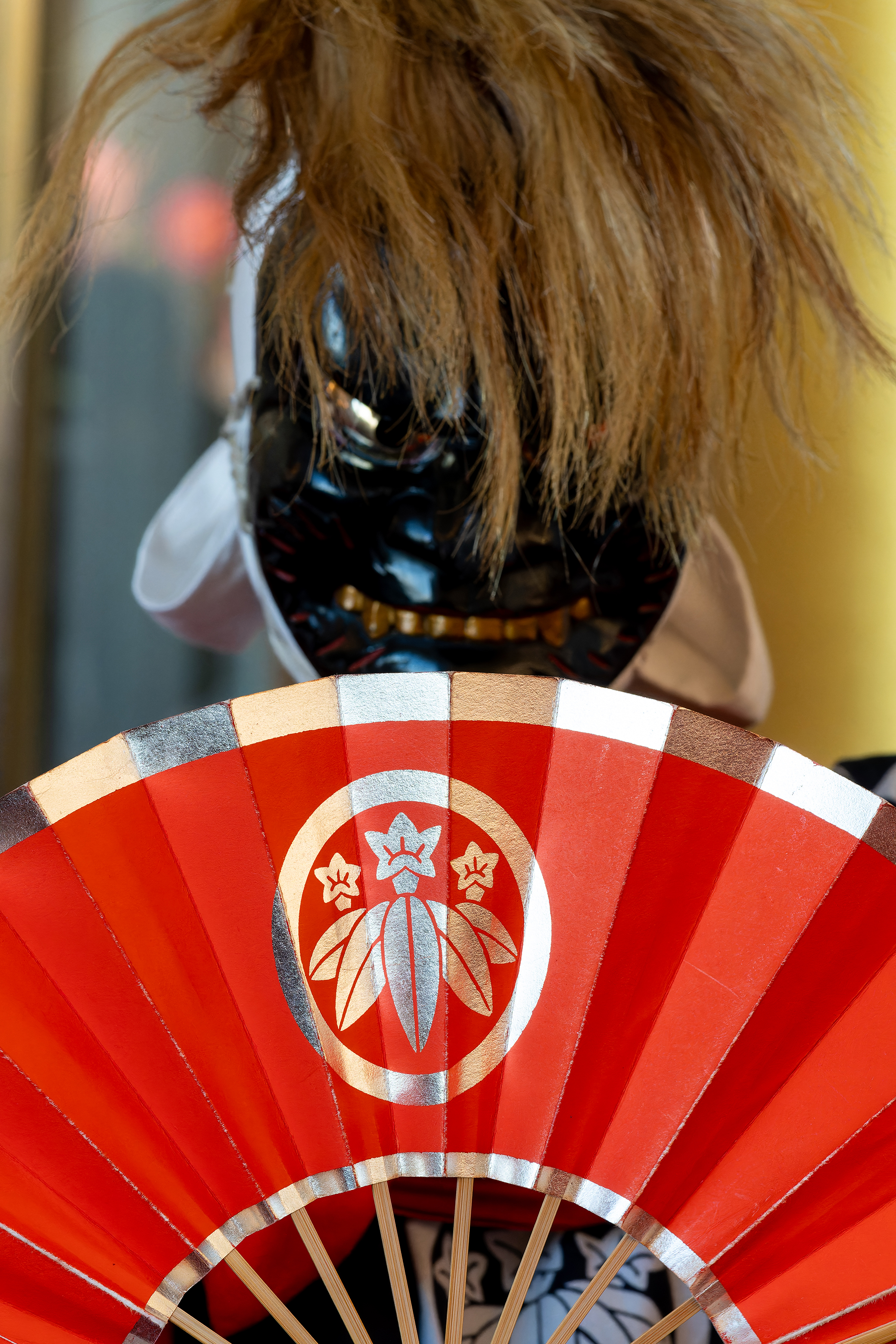
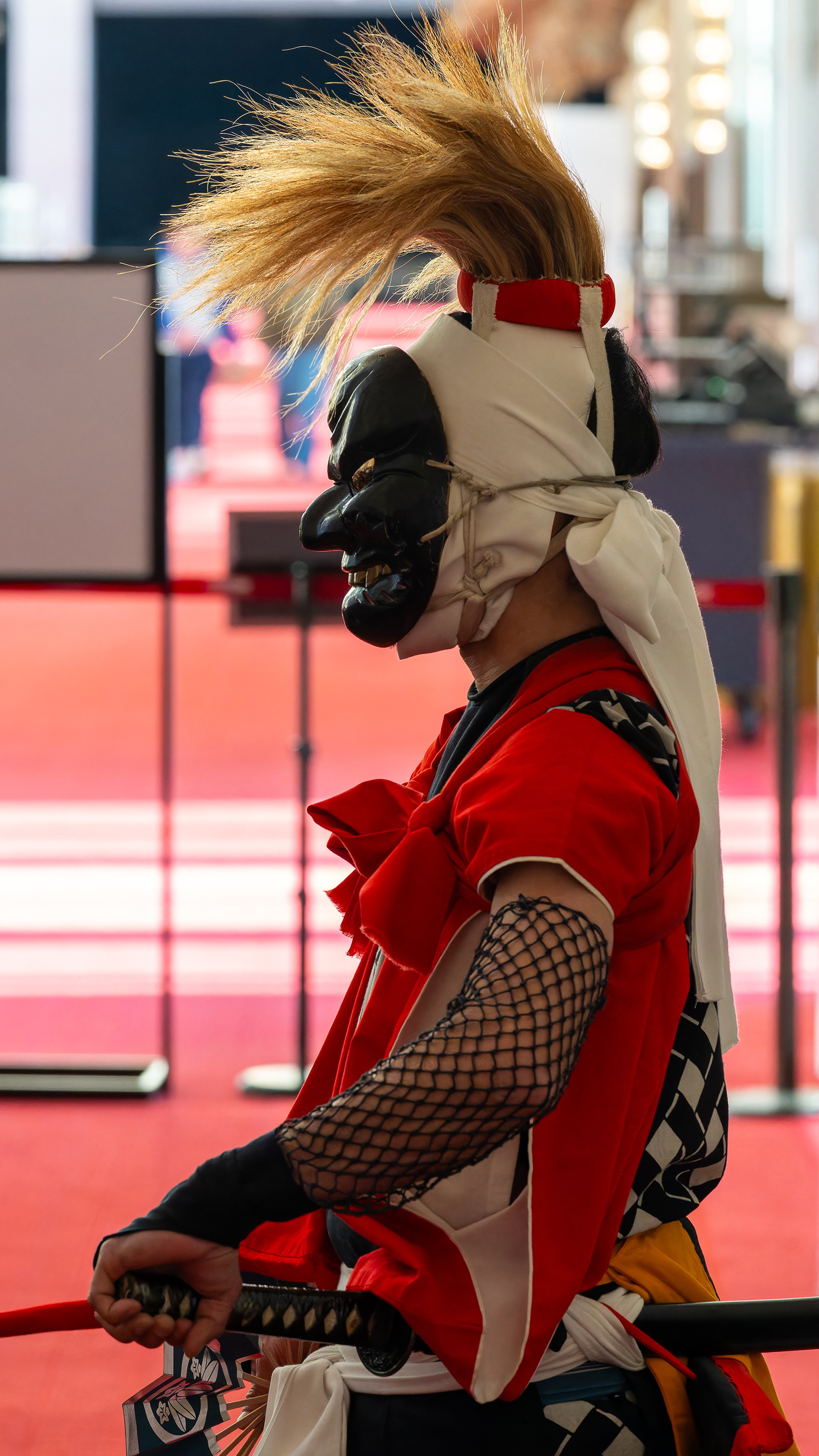
That transformation is central to the power of the performance. The audience is not watching someone “act fierce.” The audience is watching a person step into a role that belongs to a long spiritual and folk tradition
The result can be startling. The mask hides expression, but the body becomes more expressive. Every turn of the head matters. Every foot placement matters. Every lift of the sword matters. Without the familiar cues of the human face, the audience reads emotion through posture, rhythm, and direction.
That is a lesson for anyone who photographs or watches live performance: expression is not only in the face. Sometimes the strongest expression is in the line of the shoulders, the tension of the hands, the force of a step, or the stillness before motion.
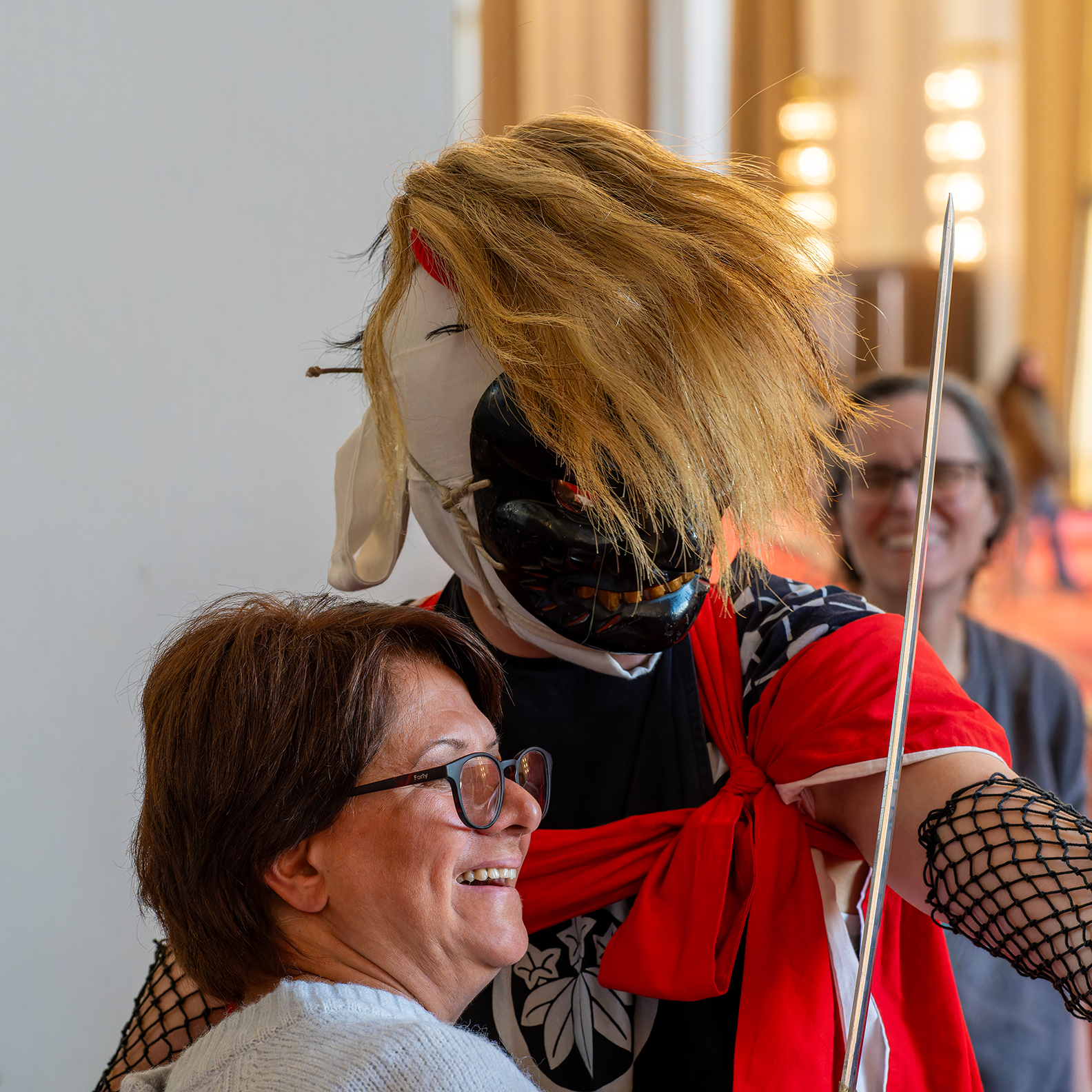
"A final bow marked the end of a performance rooted in memory, discipline, and living cultural heritage."
A Performance Built on Rhythm and Restraint
Oni Kenbai is not chaotic. That is the mistake a casual viewer might make if they only see the masks, swords, and forceful movement. The real sophistication is in the restraint.
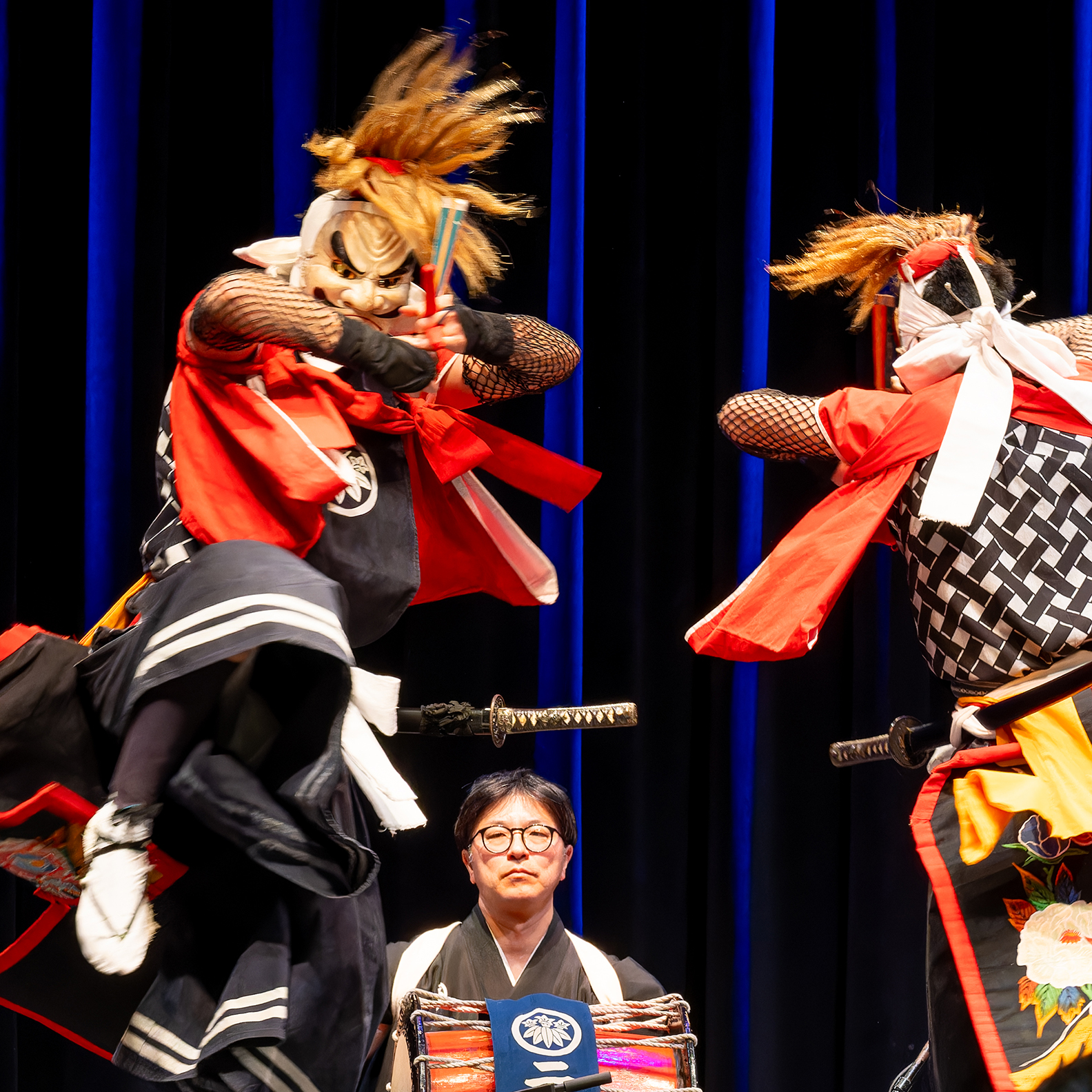
The dancers move with intention. The group structure matters. The rhythm supports the steps, and the steps give shape to the rhythm. The music does not sit behind the performance; it drives the ritual forward.
The drums and flutes create a sound world that feels older than the stage. The sword movements cut through that sound visually. The chanting brings the spiritual purpose back to the surface.
At the Millennium Stage, this combination created a performance that felt both intimate and monumental. The Kennedy Center setting gave the audience a close view of the detail—the masks, costumes, hand positions, and footwork—while the history behind the form gave the performance a much larger scale.
A Living Tradition, Not a Museum Piece
The most important thing to understand about Futago Oni Kenbai is that this is not heritage frozen in place.
Yes, the roots are old. Yes, the symbolism is traditional. Yes, the form is tied to Buddhist prayer and regional folk culture. But the performance lives because people continue to embody it. The dancers are not simply repeating history. They are activating it.
That is the difference between culture as artifact and culture as practice.
A mask on a wall can tell you something. A dancer wearing that mask, moving through a centuries-old form in front of a live audience, tells you much more.
At the Kennedy Center, Futago Oni Kenbai gave Washington a rare chance to see tradition in motion. Not explained from a distance. Not reduced to a paragraph. Performed.
Final Word: The Fierce Side of Spring
Futago Oni Kenbai gave Washington a different kind of cherry blossom season memory. Not soft. Not decorative. Not easily reduced to a pretty spring image. The March 19 performance at the Kennedy Center’s Millennium Stage brought masks, swords, prayer, rhythm, and regional Japanese tradition into the center of the city’s cultural calendar. It reminded audiences that spring is not only about beauty returning. Sometimes it is about protection, remembrance, and the power of traditions that refuse to fade.