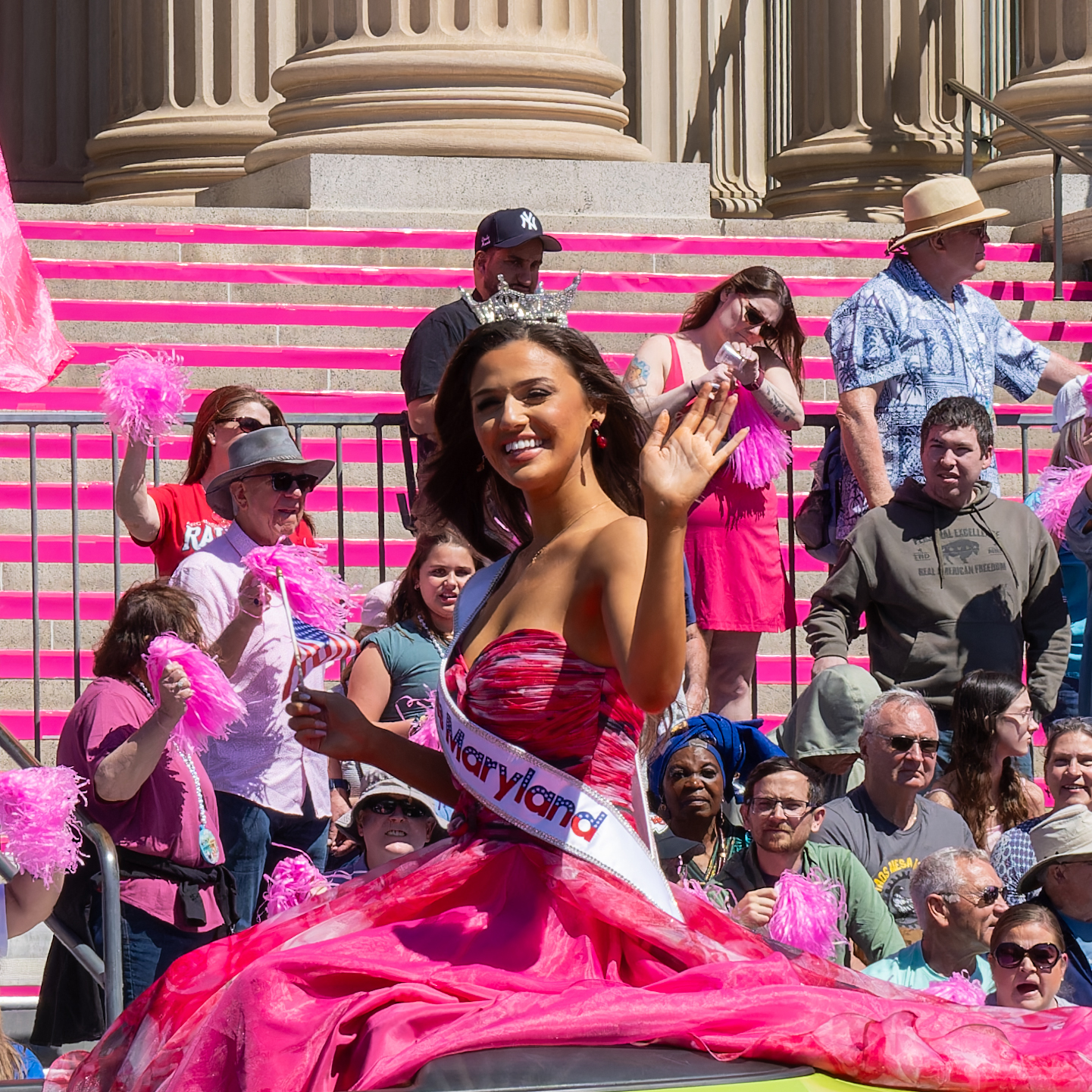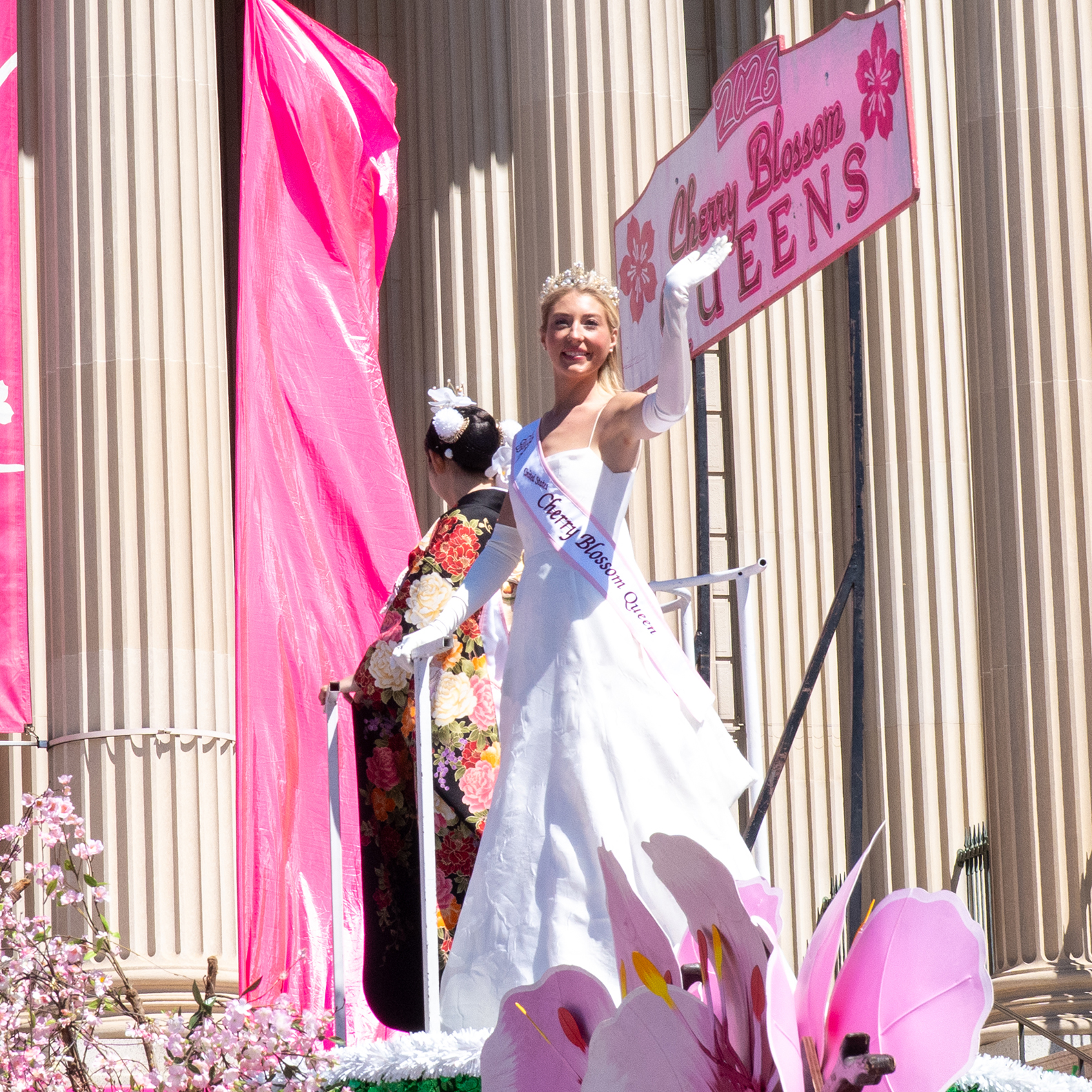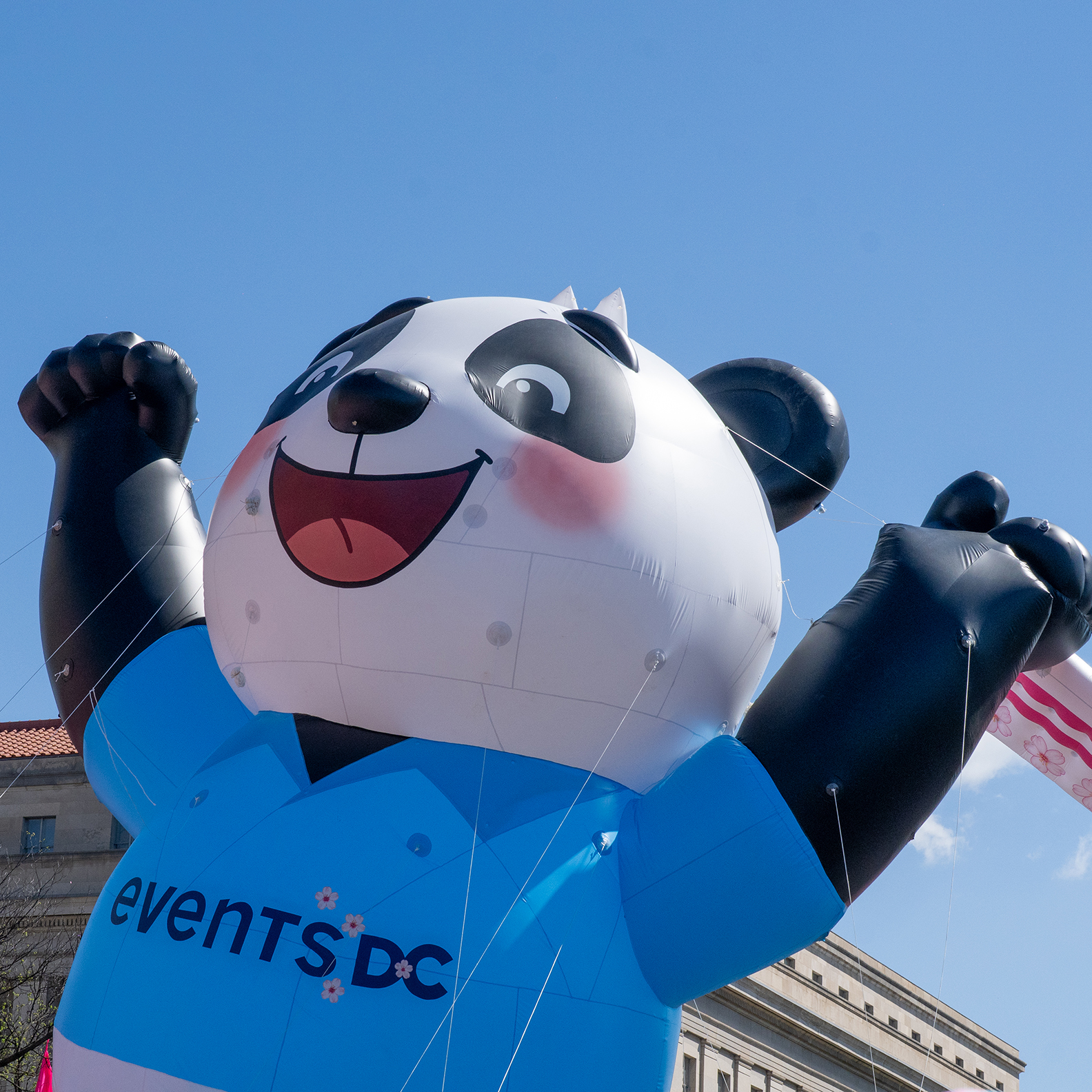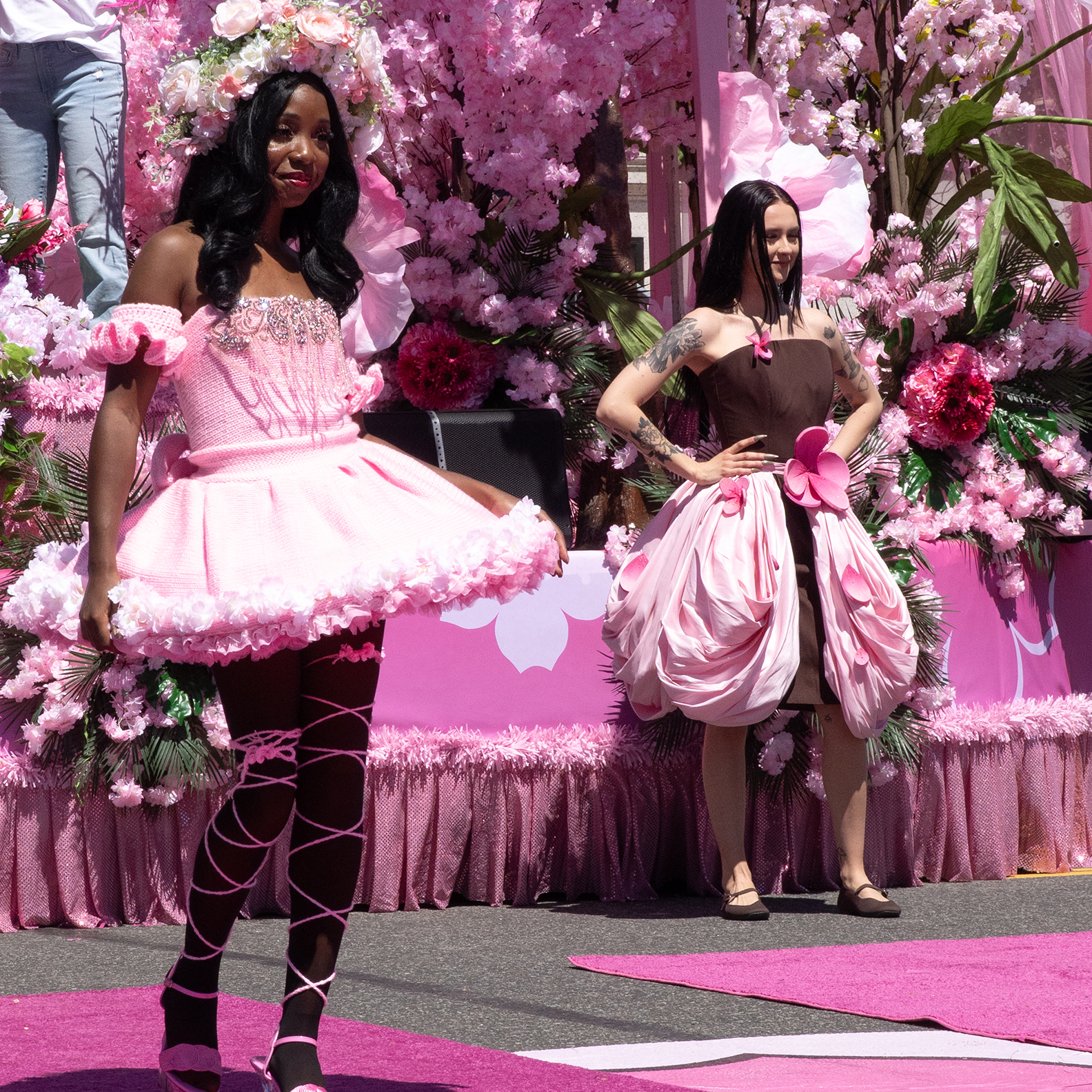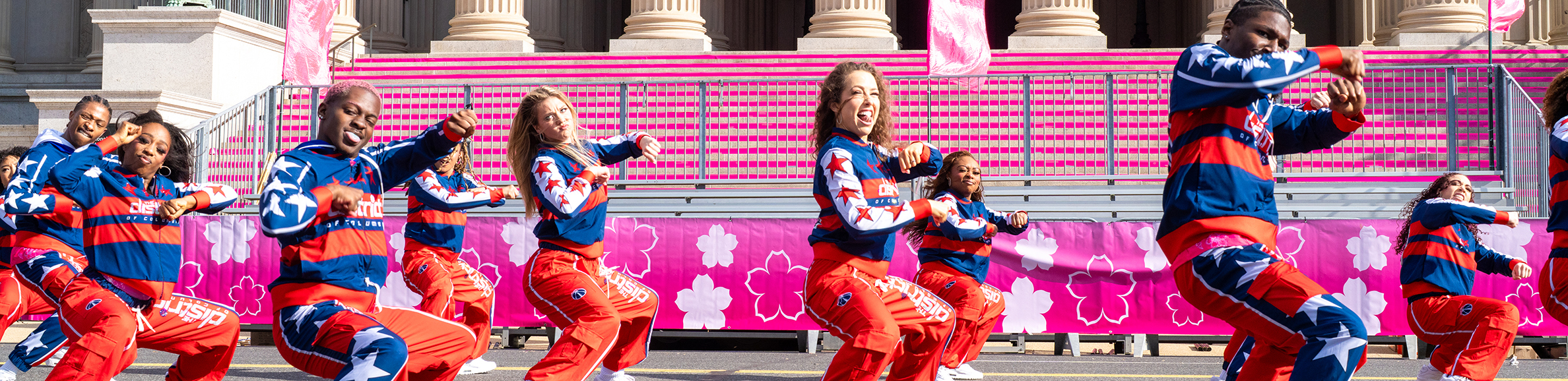
Every spring, Washington, DC transforms. The city softens. The hard lines of marble monuments, federal buildings, and formal avenues give way to clouds of pink and white, camera-ready waterfronts, and crowds eager to witness one of the capital’s most beloved seasonal traditions. But while the cherry blossoms themselves offer a quiet kind of beauty, the National Cherry Blossom Festival Parade delivers something else entirely: a full-throated celebration of color, culture, performance, and civic joy.
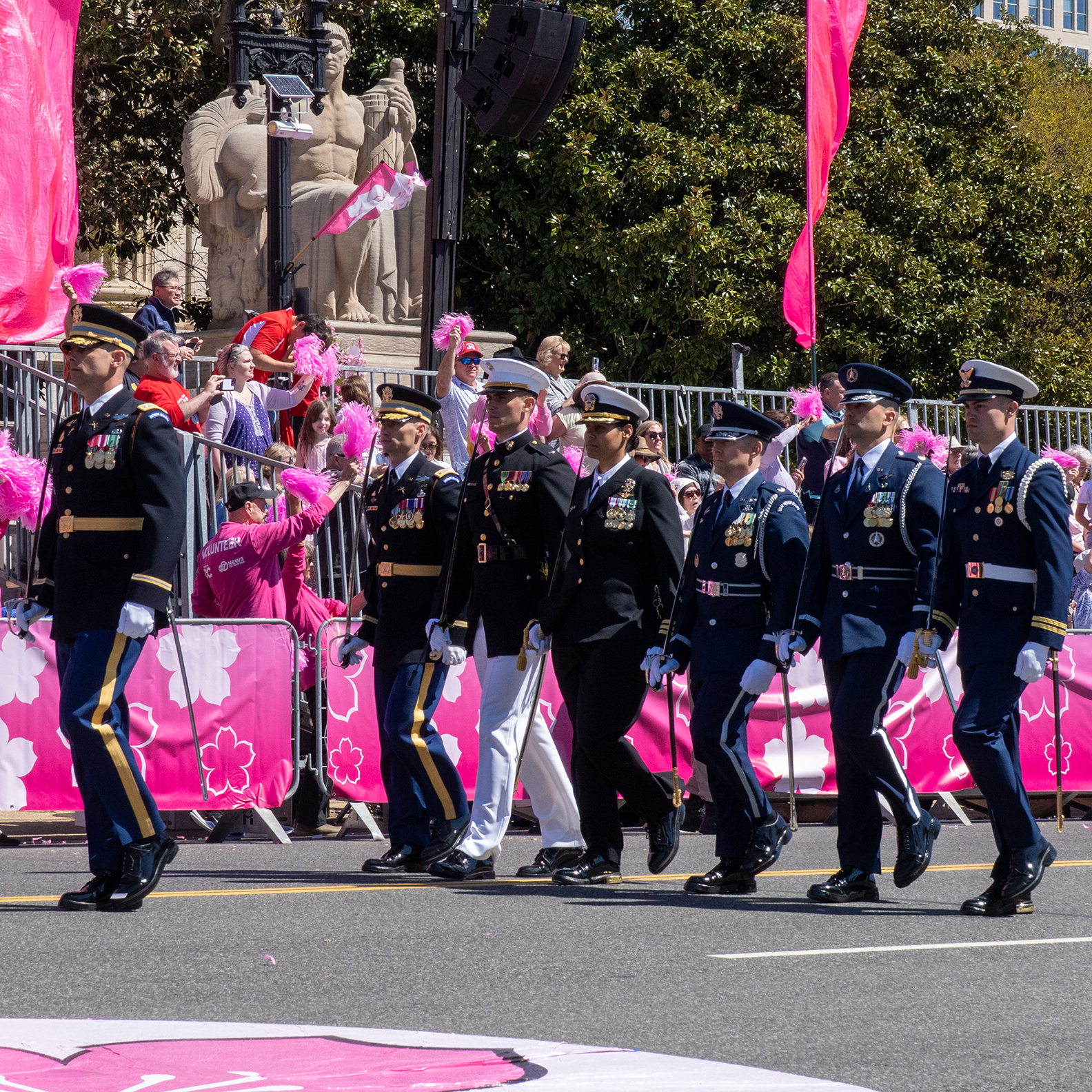
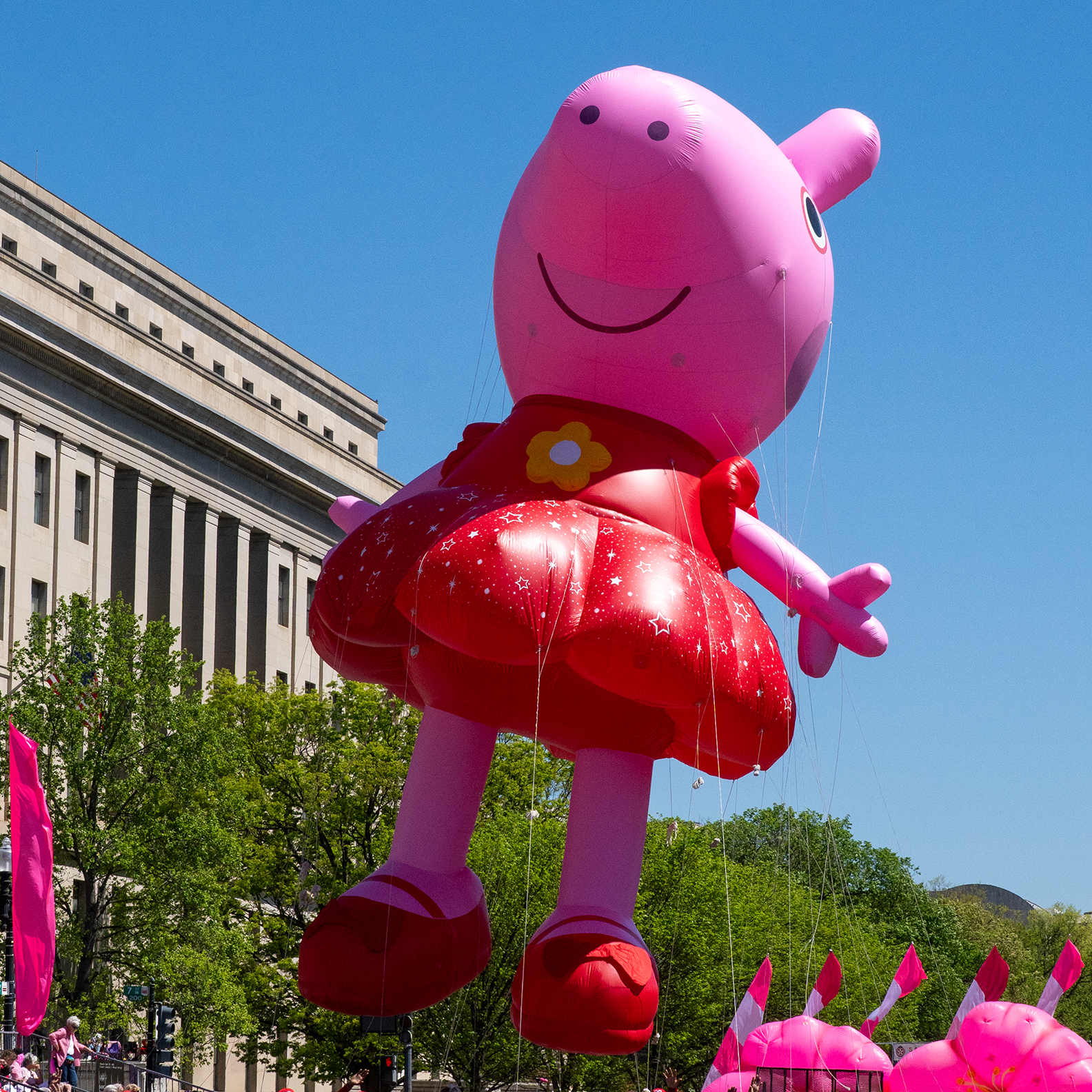
Held Saturday, April 11, along Constitution Avenue NW, the National Cherry Blossom Festival Parade once again turned one of Washington’s most iconic corridors into a lively, moving stage. Beginning at 11 am and continuing through early afternoon, the parade featured giant helium balloons, elaborate floats, marching bands from across the country, performers, celebrity guests, and cultural representatives in a vibrant procession that drew spectators to the heart of downtown. The parade is one of the signature events of the National Cherry Blossom Festival, which commemorates the 1912 gift of cherry trees from Tokyo to Washington and celebrates the enduring friendship between Japan and the United States.
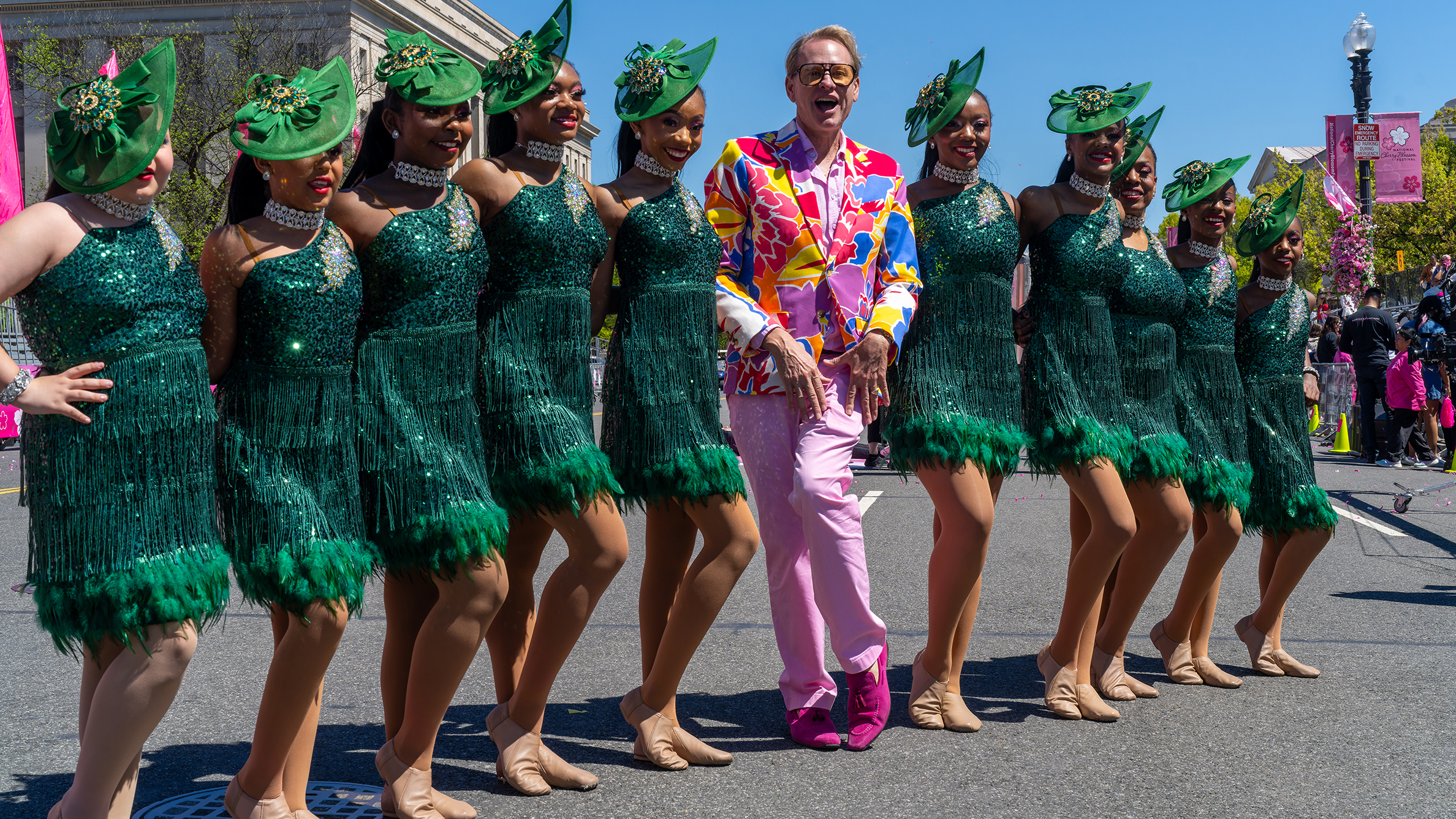
A Spring Tradition With Real Staying Power
Washington has no shortage of events. It has galas, ceremonies, policy summits, official commemorations, and enough ribbon cuttings to fill a calendar year. But the Cherry Blossom Festival Parade occupies a different category. It is not stiff, not closed-off, and not built only for insiders. It belongs to the public.
This is exactly why it works.
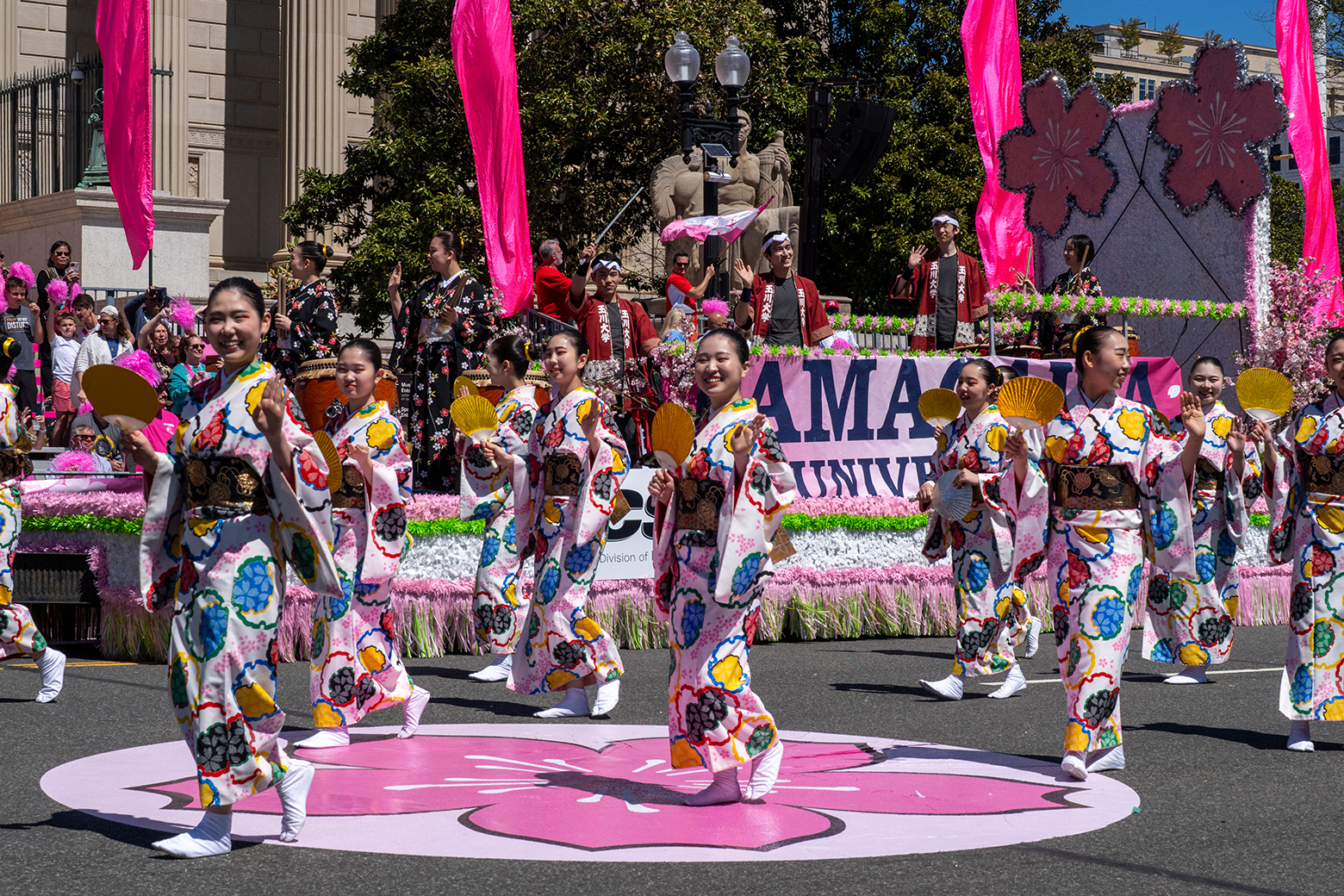
The National Cherry Blossom Festival as a whole now spans weeks of programming and draws more than 1.6 million people annually, making it one of the city’s largest and most recognizable celebrations. Yet the parade remains one of its most visible and emotionally resonant traditions. It takes the symbolism of cherry blossom season, renewal, international friendship, and the joy of shared public space, and gives it movement, music, and scale.
There is also something important about where it happens. Constitution Avenue is not a neutral backdrop. It is one of the capital’s most ceremonial streets, lined with museums, framed by monumental architecture, and deeply associated with national identity. When a parade moves through that space, it does more than entertain. It reclaims the avenue, if only briefly, for delight. It reminds residents and visitors alike that Washington is not only a seat of power. It is also a place of celebration.
It has history, strong visuals, a recognizable route, broad public appeal, and the kind of seasonal timing that makes people actually want to leave the house and be part of the city.
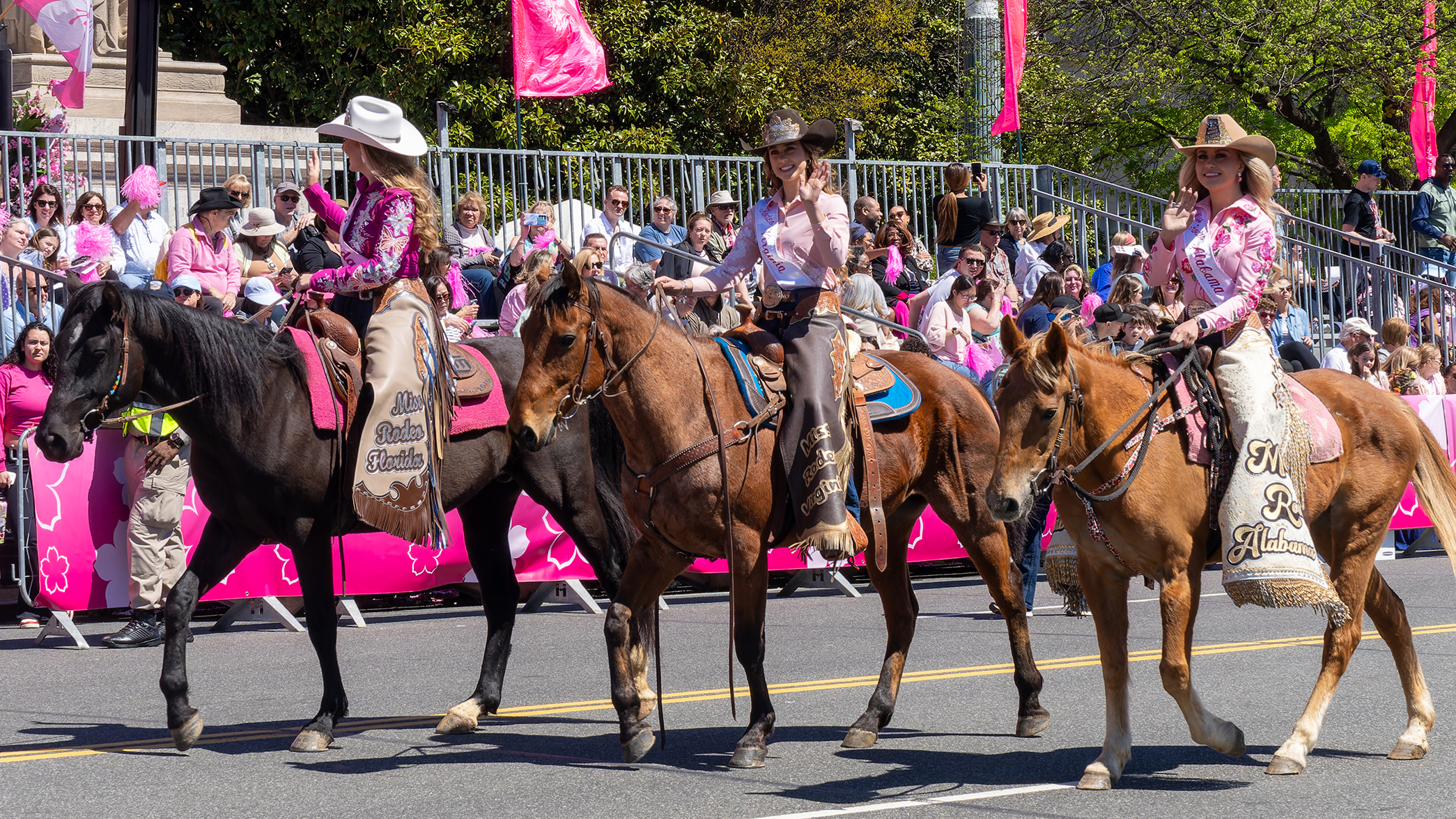
The Avenue Becomes a Stage
This year’s parade stretched across a 10-block route on Constitution Avenue NW, with viewing areas at both the east and west ends and free standing-room access along much of the route. That setup has long been part of the event’s appeal. Spectators can choose a formal seated experience or simply join the crowds lining the avenue, where the energy often feels even more immediate.
And energy is the right word.
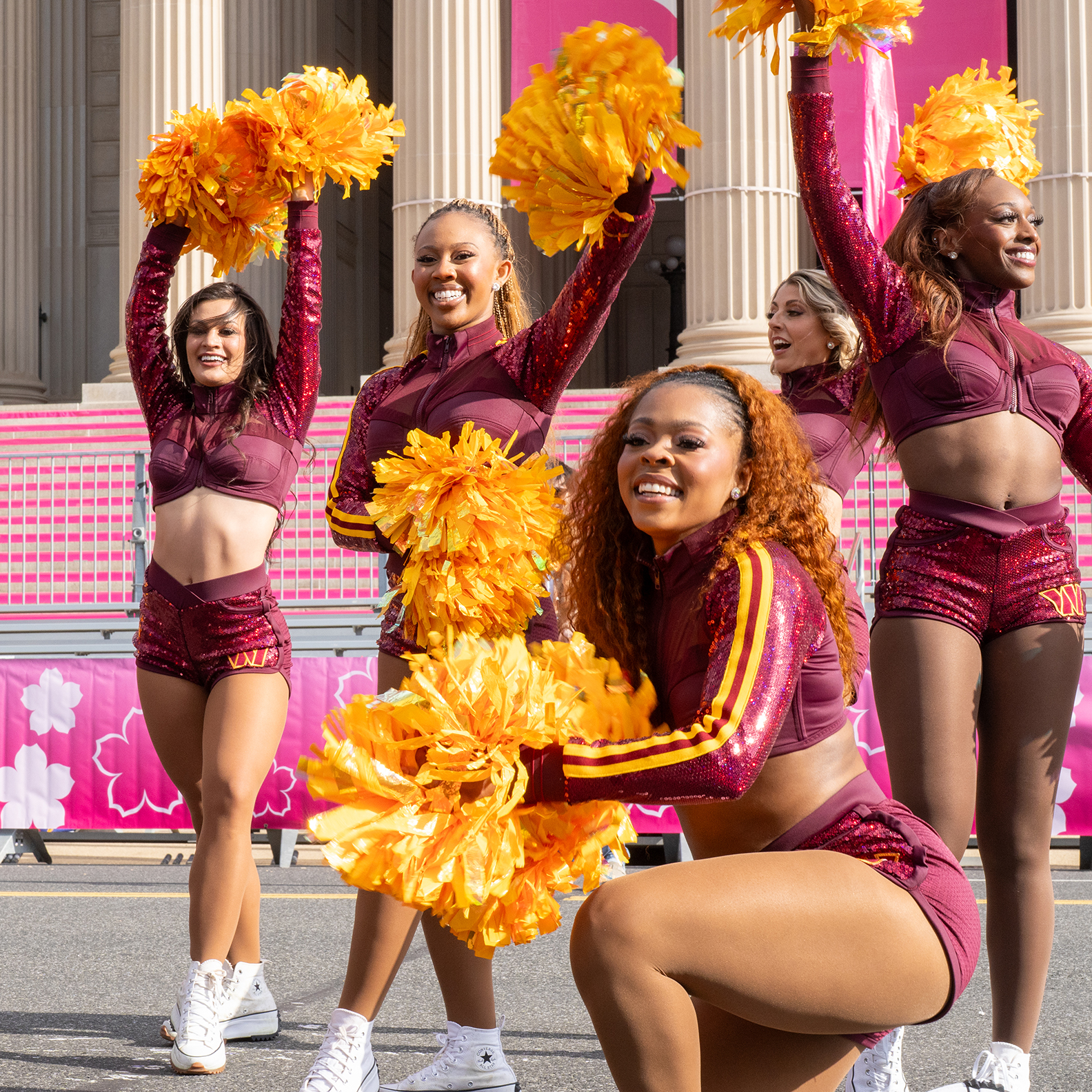
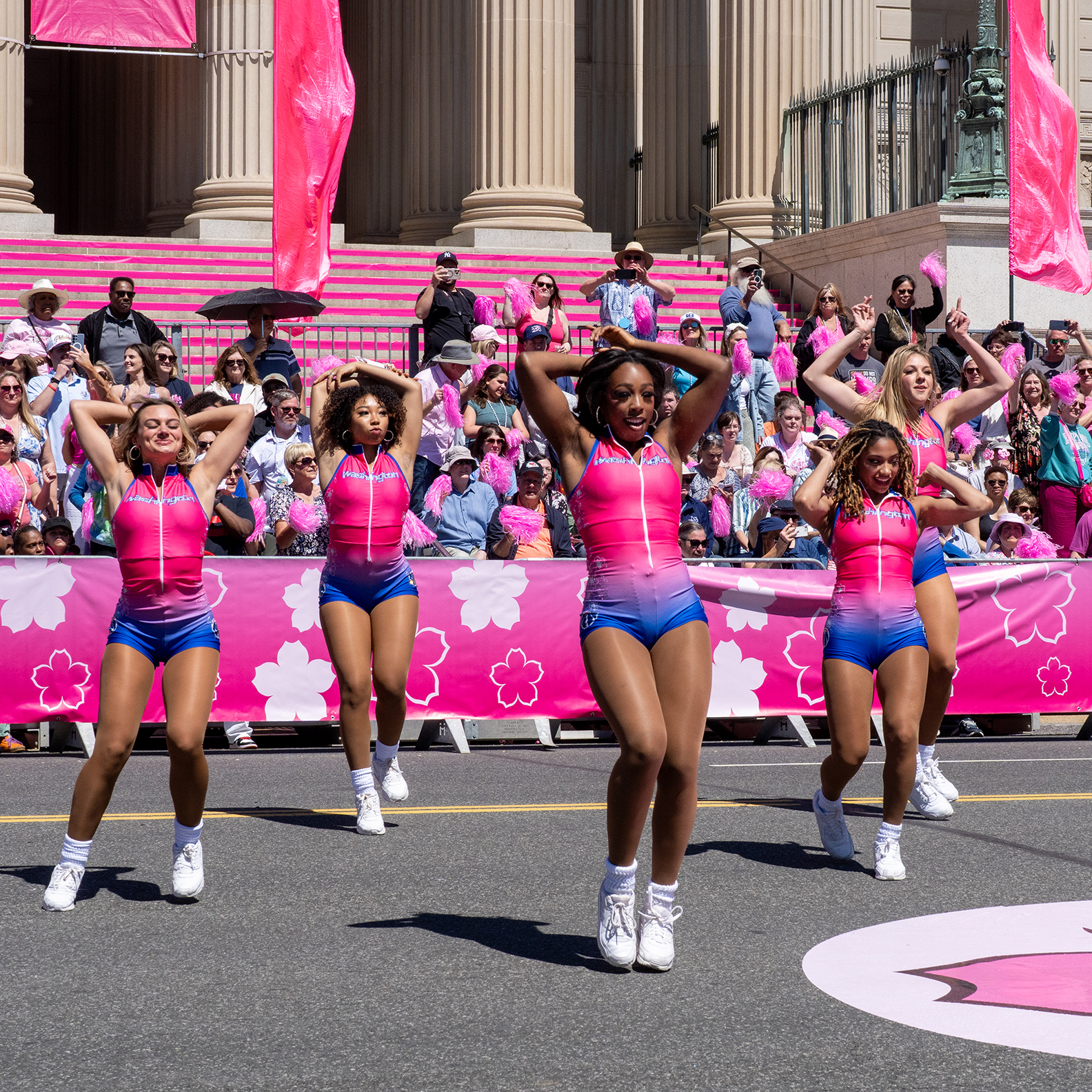
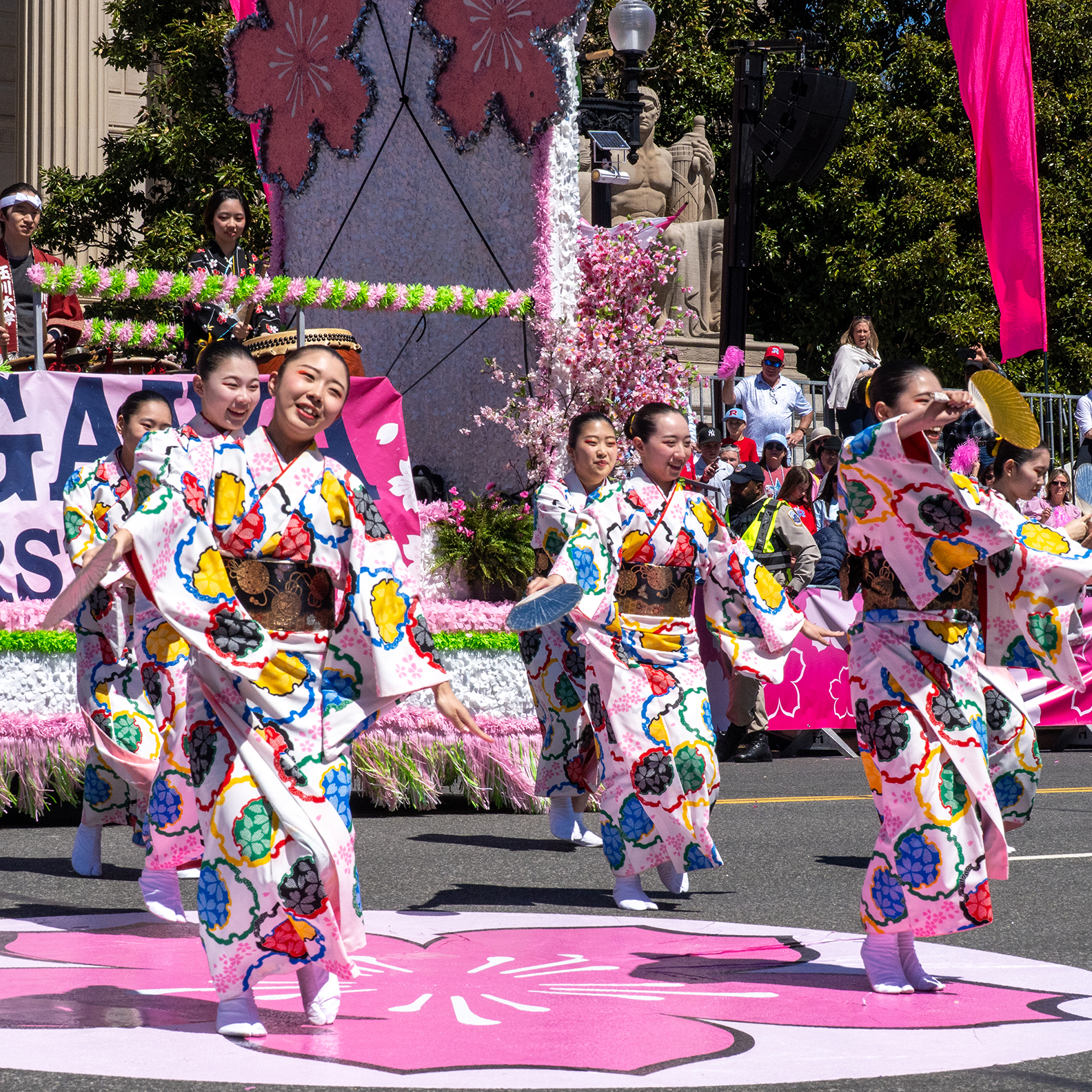
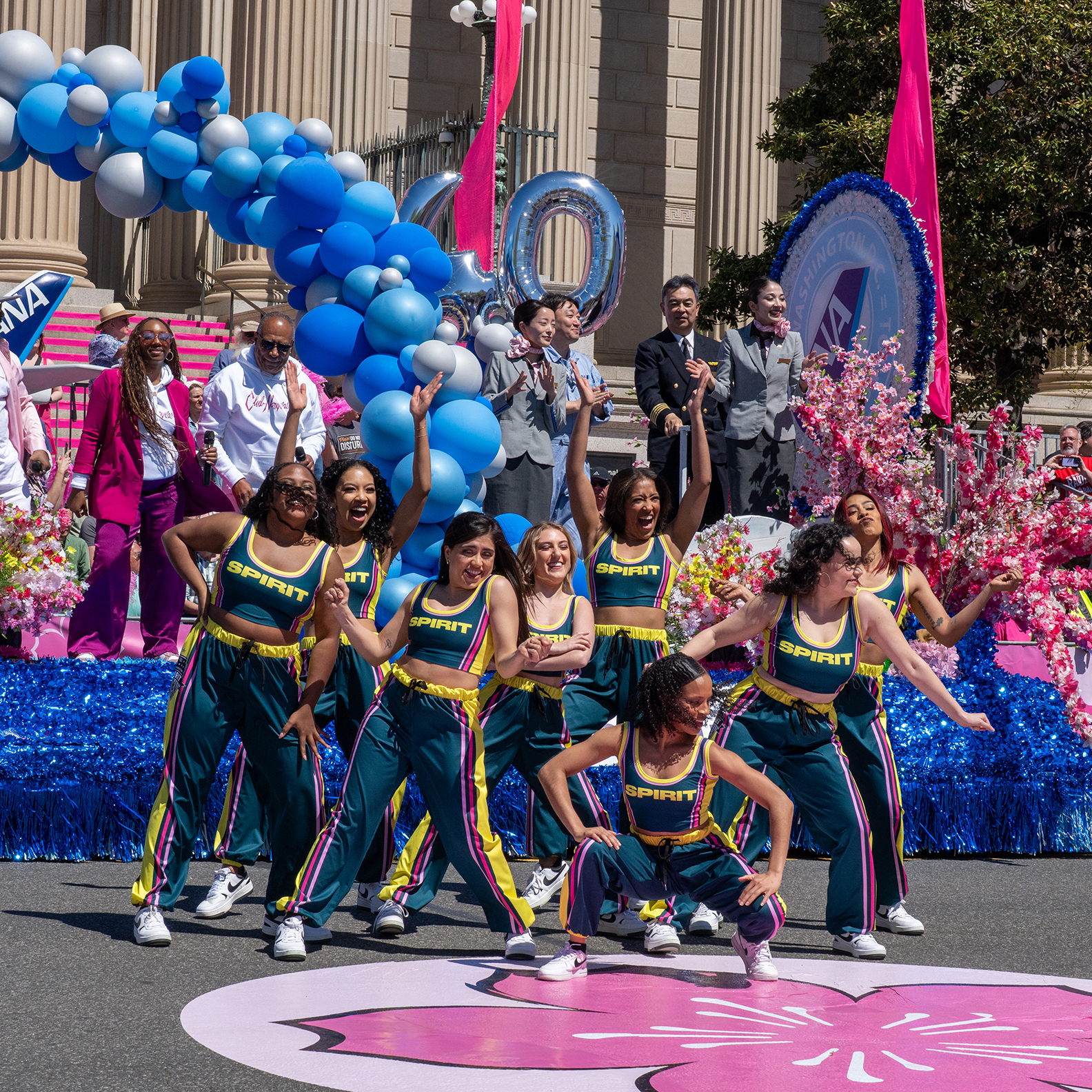
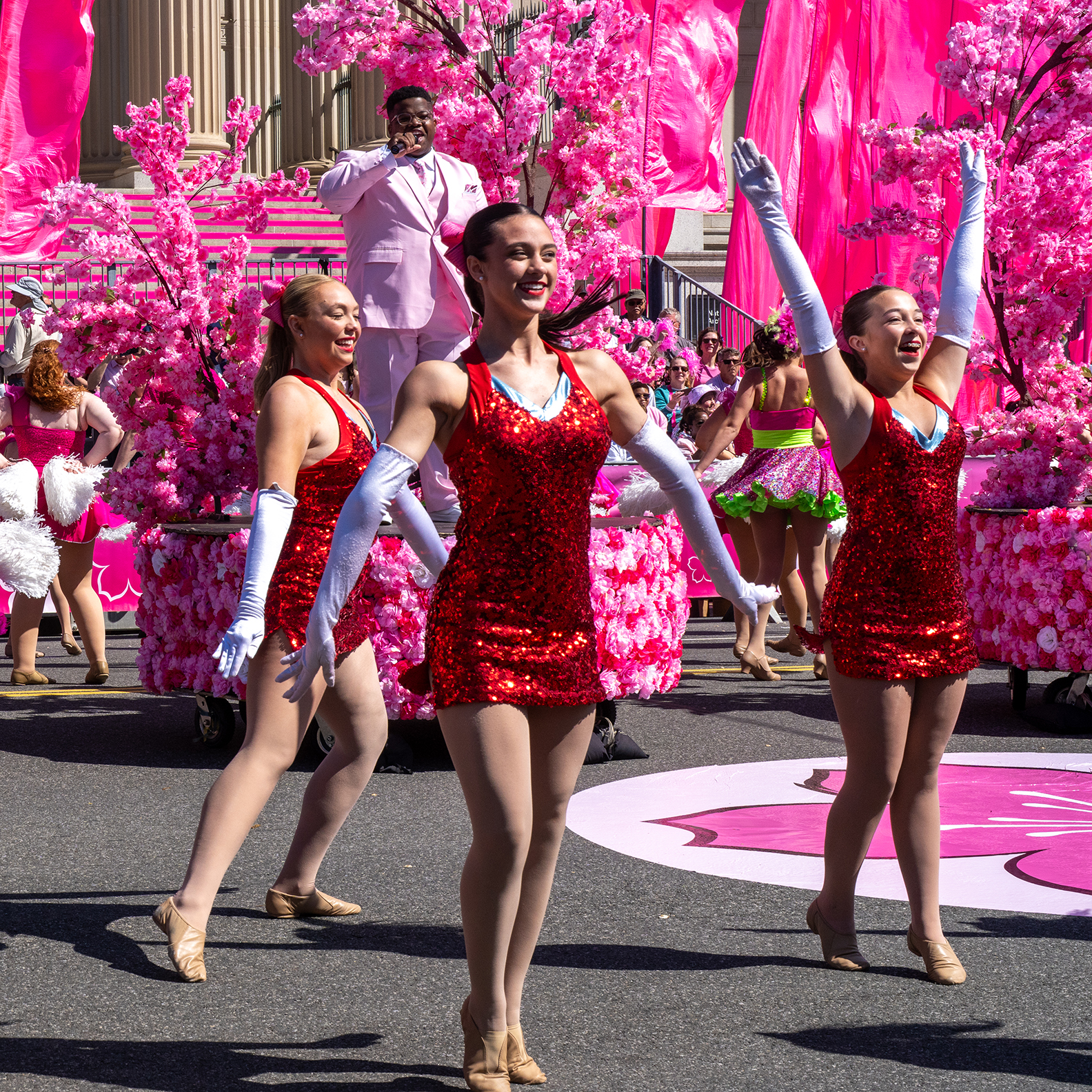
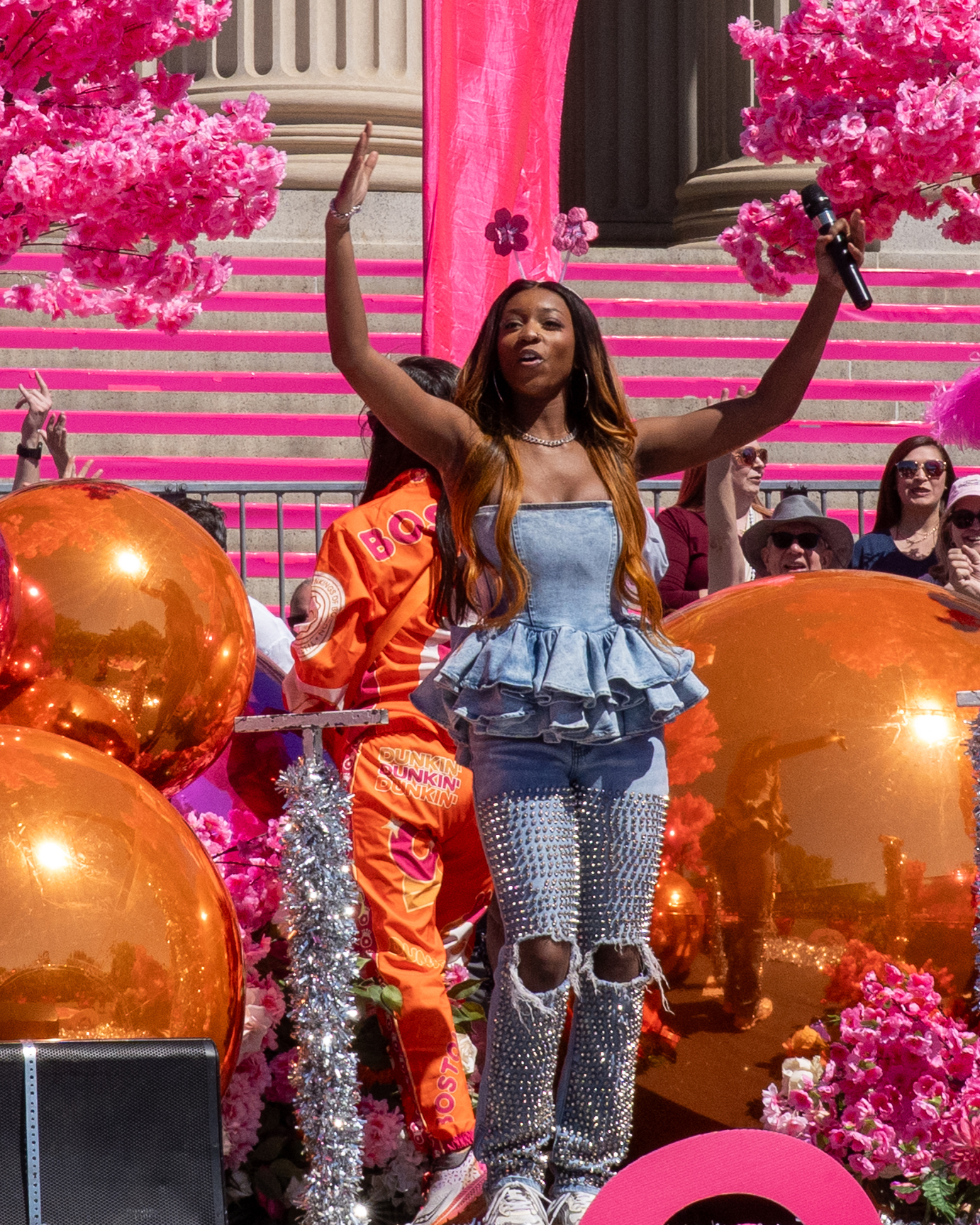
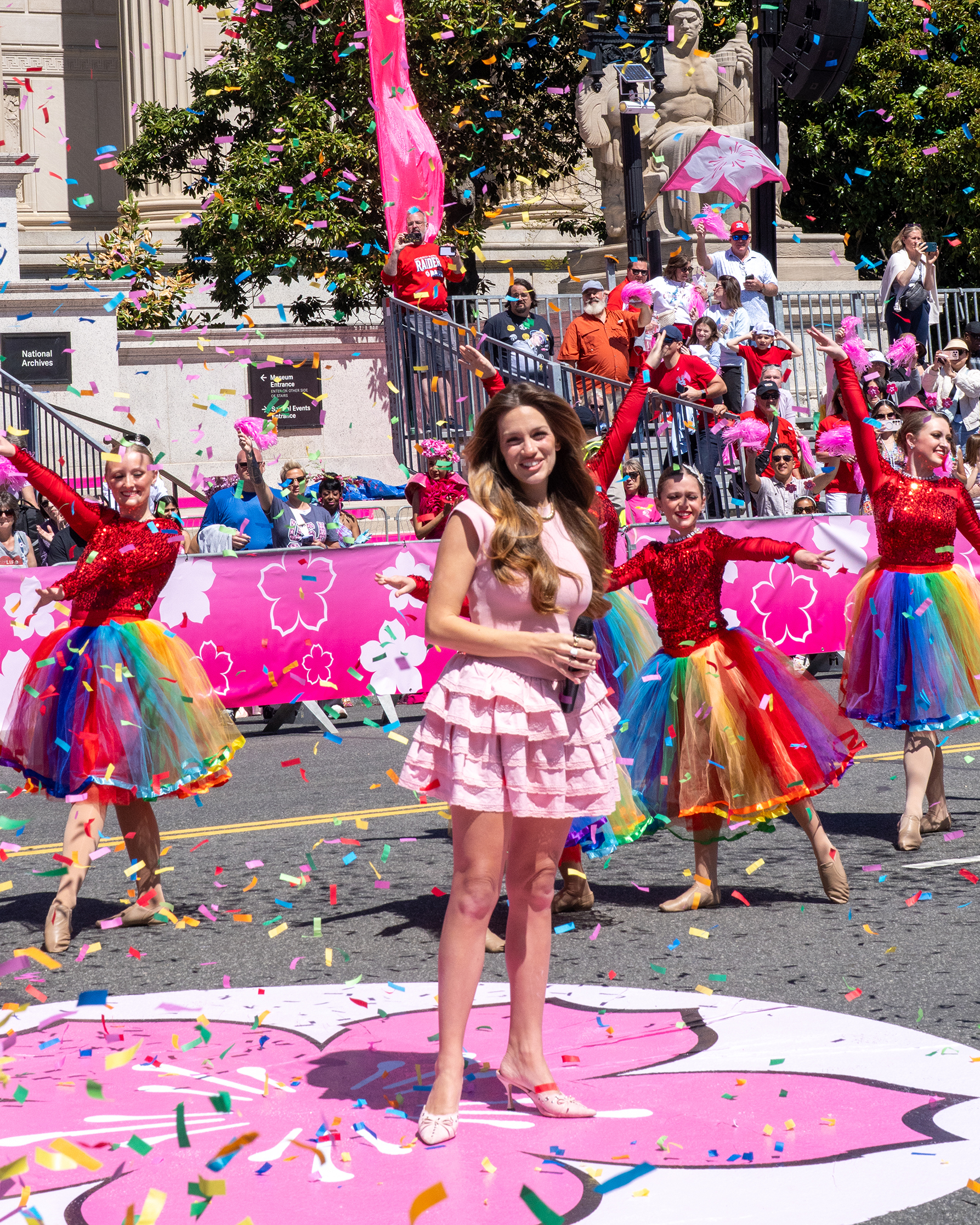
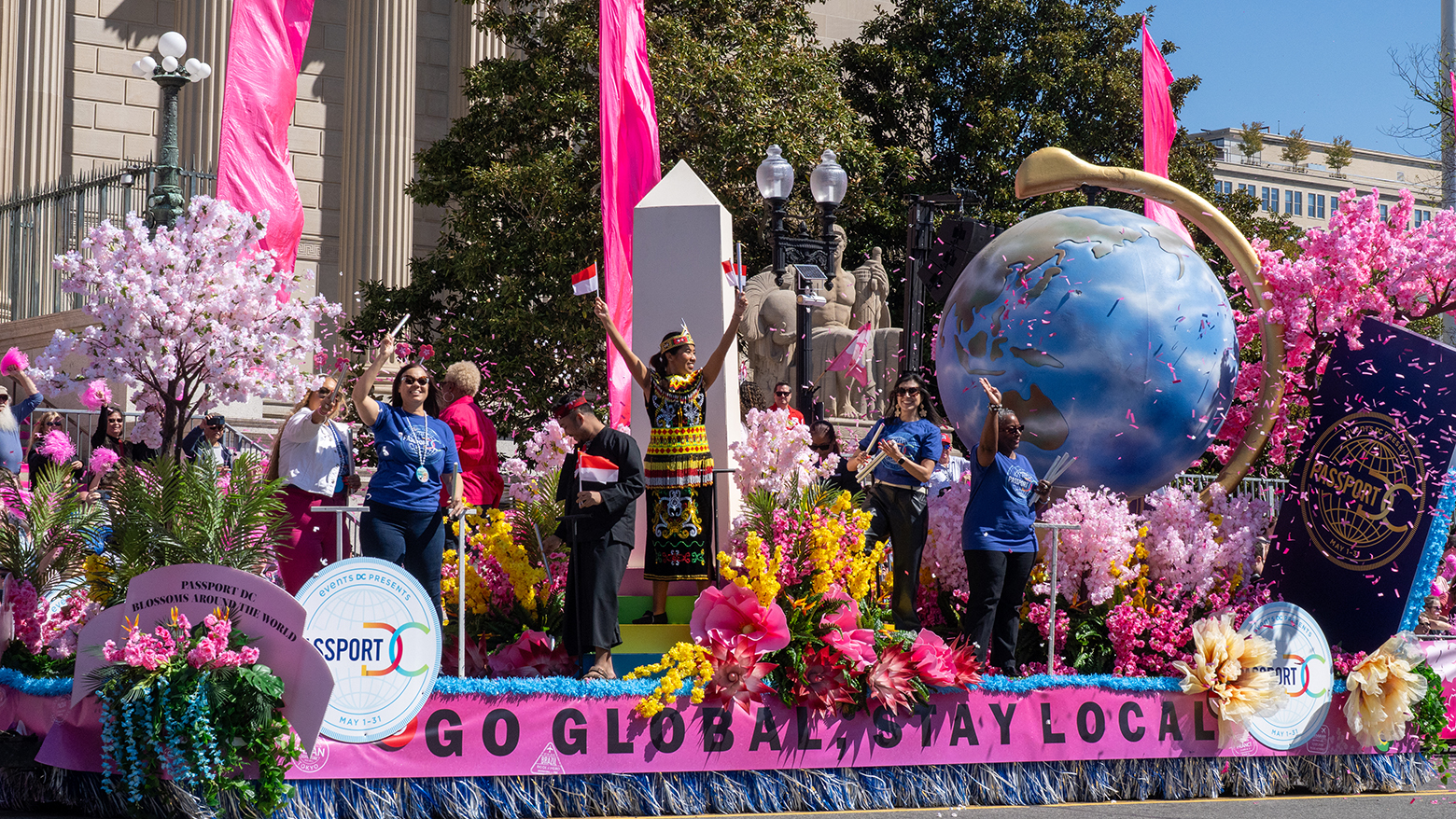
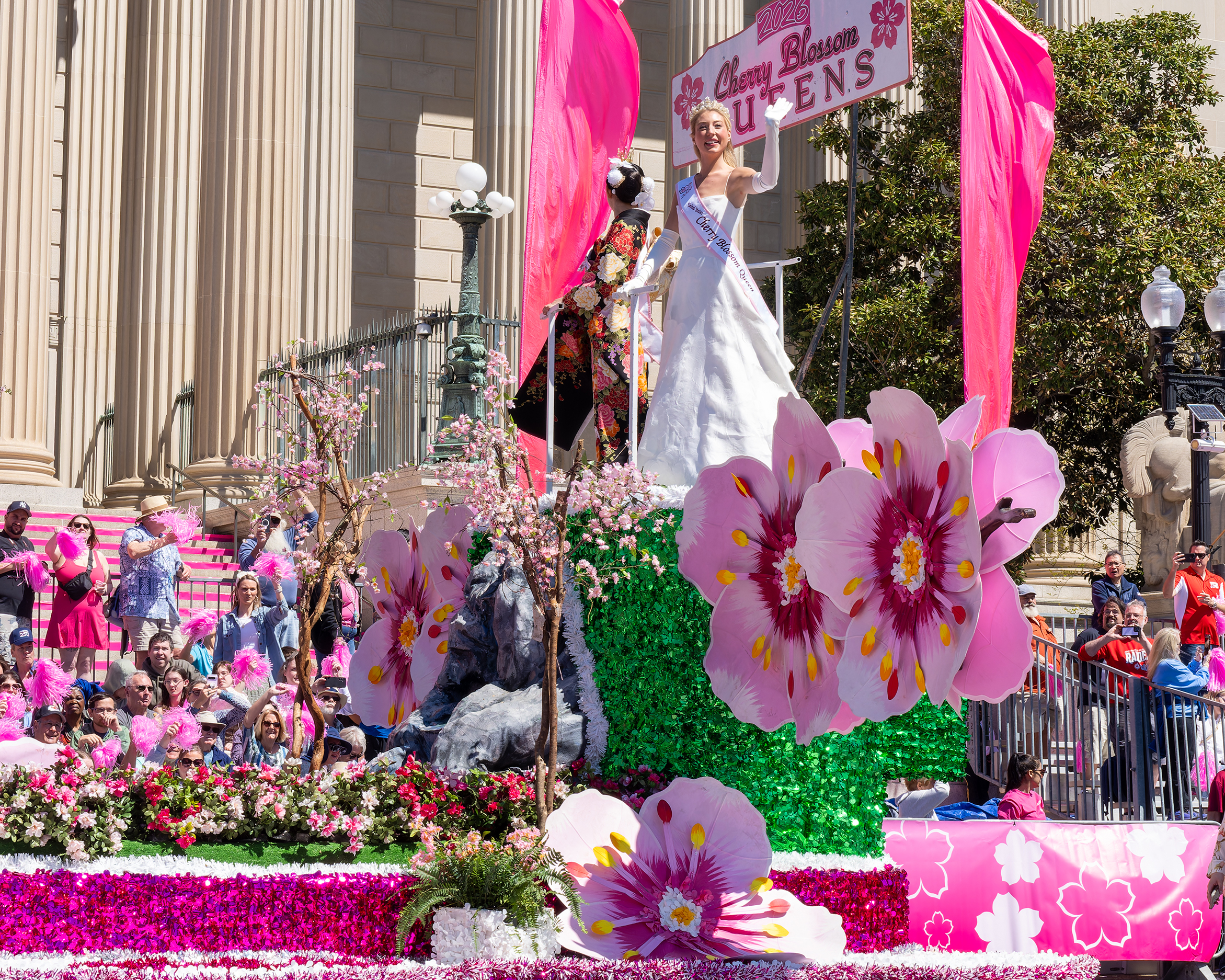
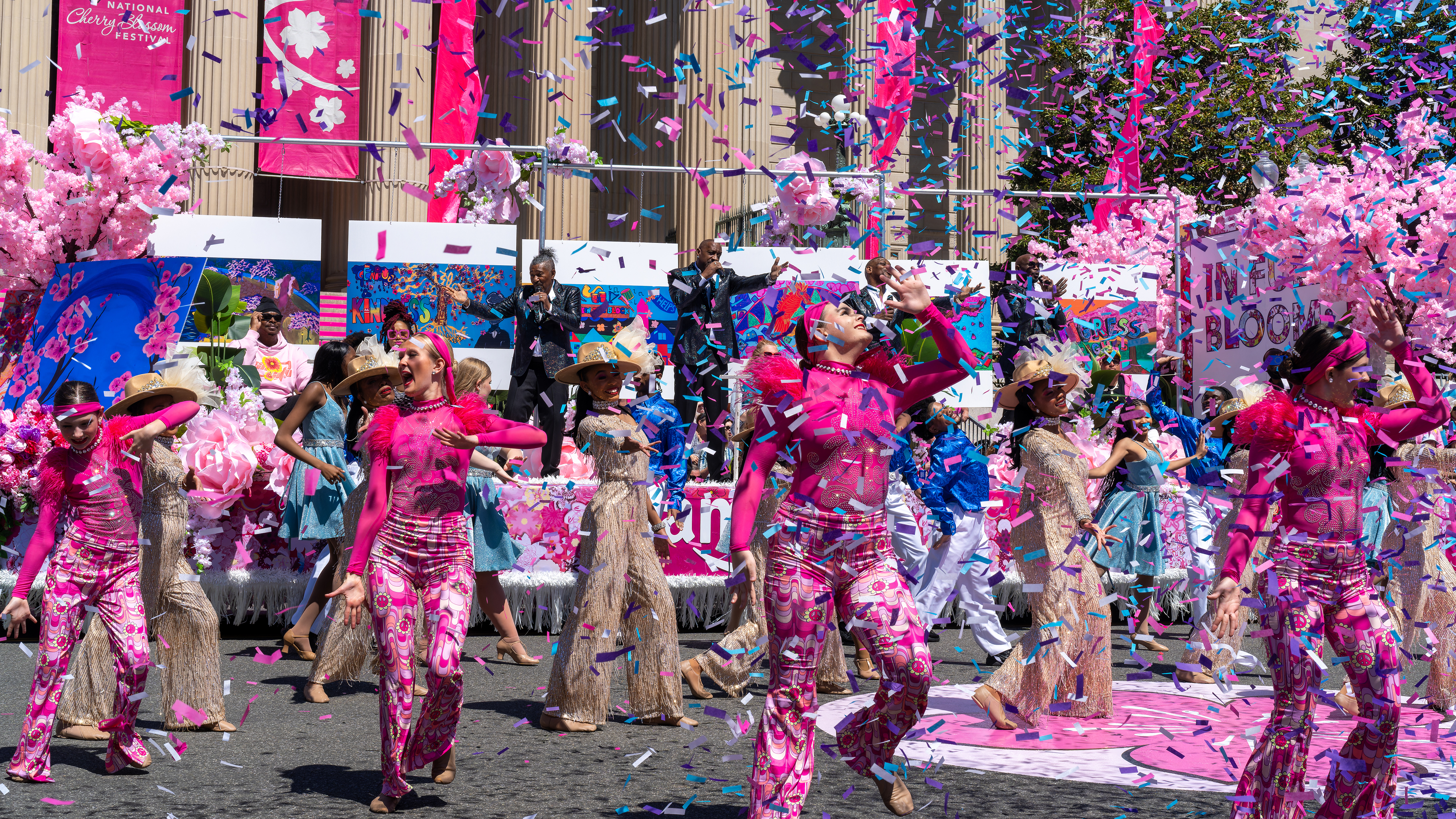
Parades succeed or fail on atmosphere, and the National Cherry Blossom Festival Parade understands that better than most. It is not trying to be restrained. It is designed to be joyful, photogenic, family-friendly, and impossible to ignore. The formula is straightforward but effective: oversized balloons drifting above the avenue, bright floats moving past government facades, dance groups and marching bands filling the corridor with rhythm, and a crowd that responds in waves as each unit passes.
That contrast, formal Washington versus festive Washington, is part of the thrill. One moment you are looking at a broad ceremonial boulevard tied to the nation’s civic life. The next, it feels like the city has decided to throw itself a spring party.
A Lineup That Blends Spectacle and Symbolism
One of the strongest things about the parade is that it never relies on only one kind of appeal. It is not just a children’s spectacle, though children love it. It is not just a tourist attraction, though visitors build trips around it. And it is not just a ceremonial display, though civic and diplomatic symbolism remains central to the event.
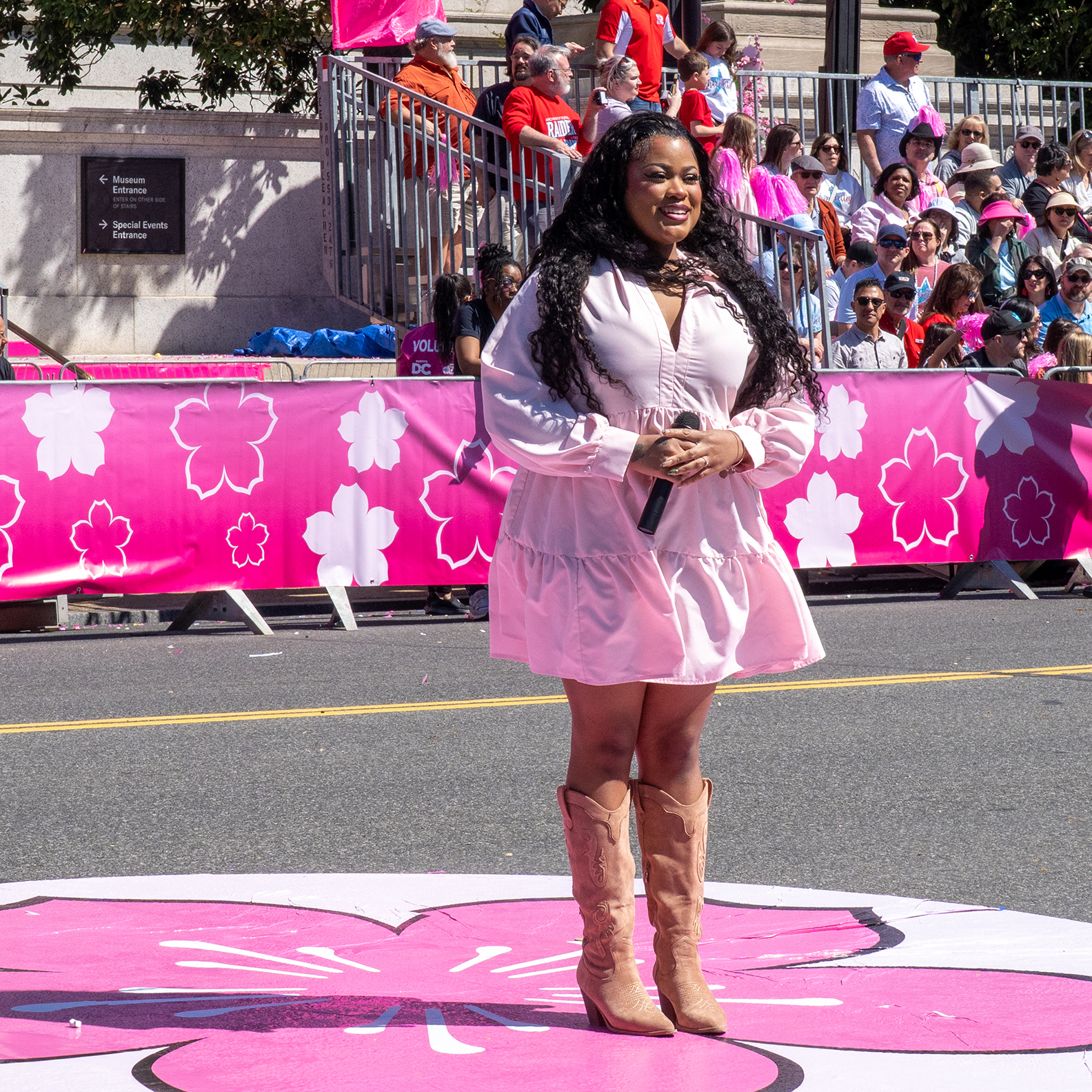
This year’s official line of march reflected that balance. Participants included the Madison Sunrise Marching Band from the District, 2026 Official Festival Artist and Grand Marshal Tim Yanke, Ambassador of Japan to the United States Shigeo Yamada, Mayor Muriel Bowser, the Embassy of Japan’s Blossom Trio balloon, and a performance from the cast of The Wiz at Broadway at the National singing “Home.”
That mix is not accidental. It is what gives the parade its identity.
There is diplomacy in it. There is local pride in it. There is entertainment in it. There is nostalgia in it. There is also something refreshingly unpretentious about the whole thing. The event is polished, yes, but not sterile. It has enough civic structure to feel important and enough visual exuberance to feel genuinely fun.
This high-energy celebration brings together fantastical helium balloons, dazzling floats, top marching bands from across the country, celebrity performances, and more in the Nation’s beloved springtime parade.
The Cherry Blossom Festival Parade is where Washington trades formality for color, music, and motion.Discover DC Now
The Crowd Matters as Much as the Parade
The truth about big public events is simple: the crowd is part of the performance.
At the Cherry Blossom Festival Parade, that is especially clear. Families arrive early to claim a good vantage point. Visitors stand shoulder to shoulder with longtime Washingtonians. Phones lift into the air. Children scan the street for the first balloon. The sound of drums or music reaches the crowd before the performers do, and a ripple of anticipation moves through the avenue before each new group comes into view.
That collective reaction is a major part of the event’s power. The parade is not just watched. It is shared. Thousands of people gathered for the simple pleasure of witnessing something beautiful, lively, and rooted in tradition.
Final Word:
Traditions survive not because they are old, but because they continue to give people a reason to show up.
The National Cherry Blossom Festival Parade works because it gives Washington something it badly needs and does not always show enough: public joy with real meaning behind it. For one bright spring afternoon, the city stopped performing power and started celebrating life.